
Insights

With the spread of the US-China trade war, the development and business opportunities of Vietnam's industrial manufacturing have been accelerated. In recent years, Vietnam’s economic situation has performed well. In 2018, Vietnam’s average national income per capita reached US$2,590, an increase of US$200 from 2017 and 1.23 times that of 2015. The Vietnamese government is working hard to promote the development of the manufacturing market and set the goal of becoming an industrial power.
2021-07-01 18:52:12

Industrial automation has been a common trend in global industrial development. With the rapid development of technology and the complexity of product manufacturing, how to optimize the production efficiency of a factory through intelligent management and corresponding equipment supporting to achieve an intelligent factory and flexible manufacturing production is the latest direction in the development of the automation industry.
2021-06-30 18:00:10
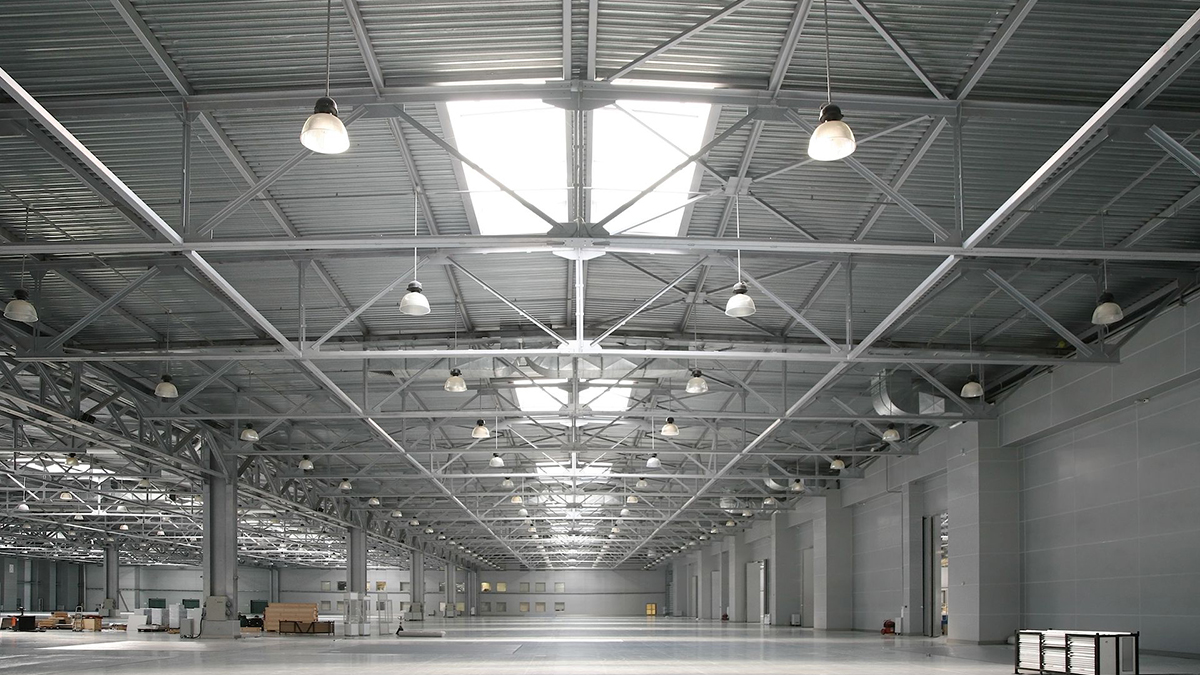
With the soaring volume of e-commerce transactions, the demand for logistics is also rising. In the process of industry transformation and upgrading, smart technology has become one of the keys to industry development.
2021-06-30 16:29:08

Zero Liquid Discharge (ZLD) technology is to pretreat and evaporate industrial wastewater, collect the condensed water distilled from the zero liquid discharge system for water recycling applications, and send unevaporated solids to landfills or use them as valuable salt. Class by-products are reused. In 2018, the global ZLD market demand was approximately 5,442 million U.S. dollars, with the largest industrial application being the energy and power industries, followed by the petrochemical and chemical industries.
2021-06-29 21:33:34

In recent years, the world has been affected by extreme climates, and the supply of water services has begun to face major changes and tests, causing the world to face more serious water shortage problems. The fierce competition for water resources comes from the fact that the earth will face a 40% water shortage from 2030.
2021-06-29 18:25:09

A mechanism design requires consideration of materials, specifications, precision, manufacturing processes, functions, etc., and must be cost-effective to create a good mechanism design.
2021-06-24 17:17:30
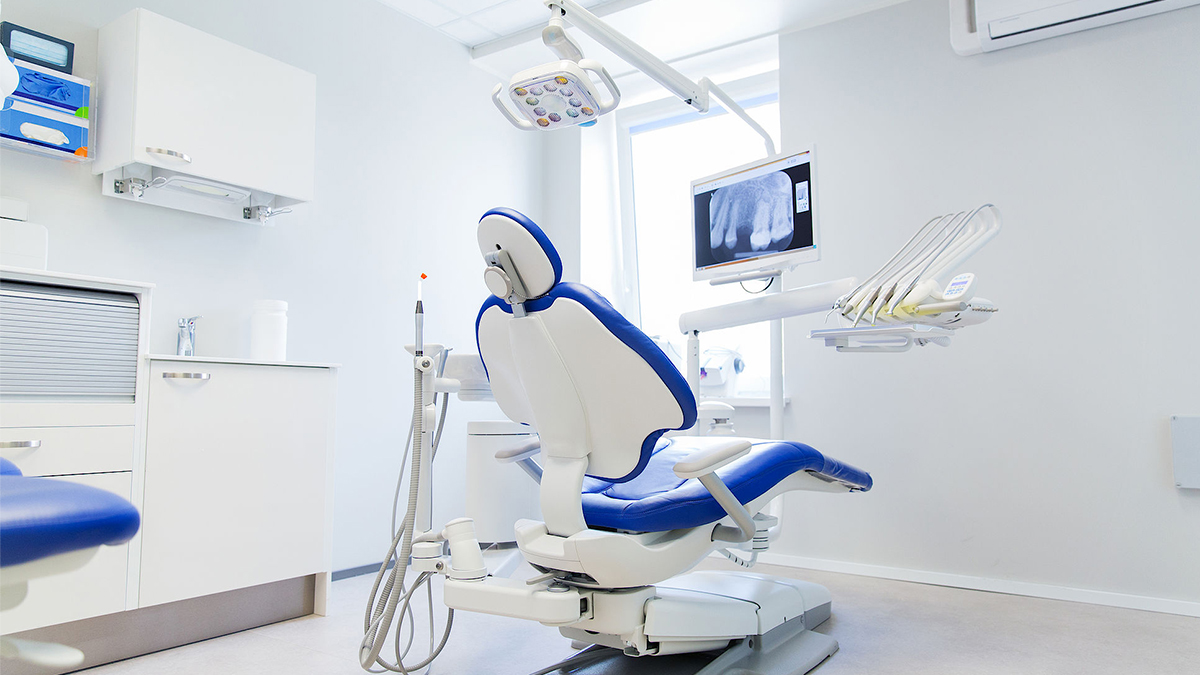
In response to the COVID-19 epidemic, various countries have issued a series of bans, city closures and traffic restrictions, driving the demand for housing, working at home, online shopping, and home entertainment. This in turn has driven the demand for 3C products such as information and communications products. Among these, display panels have shown one of the greatest increases in demand, and the global display screen equipment market grew by 19% in 2020, reaching USD 13.52 billion.
2021-06-24 09:14:53

The four major markets of "consumer", "5G telecommunication network", "enterprise network" and "data center" will drive the growth of the global communications market in 2021.
2021-06-23 11:43:43

The size of the consumer electronics market was worth US$1 trillion in 2019 and is expected to grow at a compound annual growth rate of more than 7% between 2020 and 2026. Industry participants continue to invest in the research and development of new consumer electronics products, including smartphones, smart wearable devices, and home appliances, which will drive market growth.
2021-06-22 17:17:37

In 2018, the global audio and video equipment market was valued at approximately US$160.4 billion. It has declined at a compound annual growth rate (CAGR) of -1.86% since 2014. It is expected to decline slightly at a compound annual growth rate (CAGR) of -0.05% until 2022 of US$160.1 billion.
2021-06-21 18:30:42
Hot Topic
Agree