An Introductory Guide to Coffee Making Products for New Baristas and Coffee Lovers
Historical Development of Coffee Making Products
Coffee brewing began with simple methods, such as boiling coffee grounds in water. One of the earliest traditional methods was the Ibrik (or Cezve), used for brewing Turkish coffee. It consists of a small pot with a long handle and is still in use today. As various techniques developed over time, attention was given to the effects of water temperature, pressure, brewing time, grinding methods, and filters on the extraction of soluble compounds from coffee grounds. This evolution led to the diverse coffee-brewing methods we see today.
By the late 20th century, advancements such as automatic drip coffee makers, AeroPress, and pour-over devices introduced convenience and precision to both home and commercial brewing. Each brewing method offers unique advantages, influencing the flavor, strength, and texture of the coffee, as well as the ease and convenience of the brewing process.
Methods of Coffee Making and How They Work
The Espresso Revolution
Invented in Italy in 1884, the espresso machine revolutionized coffee preparation by introducing pressure extraction. Espresso machines force hot water through finely ground coffee under pressure (typically 9–15 bars). This process allows quick and efficient extraction while enhancing the coffee’s flavor, aroma, and texture, delivering a bold, balanced brew that serves as the foundation for espresso-based drinks like lattes and cappuccinos. Early machines were manual, requiring baristas to control the pressure and temperature precisely.
Modern espresso machines can be Semi-Automatic, Fully Automatic, or Super-Automatic:
Semi-Automatic Machines: Automate the water pressure but allow baristas to control the extraction time.
Fully Automatic Machines: Automate the brewing process (water flow and extraction) but still require manual grinding, tamping, and milk frothing.
Super-Automatic Machines: Automate the entire brewing process, including grinding, tamping, brewing, and milk frothing. With the push of a button, the machine delivers a finished espresso or milk-based drink.
Drip Coffee
Drip coffee is a brewing method where hot water is poured over medium-ground coffee in a filter, allowing it to slowly drip through into a carafe or pot. This process produces a clean, smooth cup of coffee by evenly extracting flavors.
The typical Mr. Coffee machine is a classic example of a drip coffee maker. It automates the drip brewing process by heating water, which is then evenly dispersed over ground coffee in a filter. The brewed coffee drips into a carafe below. The drip coffee maker’s simple and convenient design makes it one of the most popular methods for brewing large quantities of coffee.
Pour-Over Coffee
Pour-over coffee is a manual brewing method where hot water is slowly poured over coffee grounds in a filter, allowing the water to flow through and extract flavors evenly. This method gives the brewer control over variables like water temperature, pouring speed, and bloom time, resulting in a clean, flavorful, and well-balanced cup of coffee.
French Press and AeroPress
French Press
The French Press is an immersion brewing method where coarsely ground coffee is steeped in hot water for 4-5 minutes. A plunger with a metal mesh filter is then pressed down to separate the grounds, producing a rich, full-bodied coffee. It allows oils and fine particles to pass through, enhancing flavor and mouthfeel.
AeroPress
The AeroPress is a versatile and quick brewing device that uses air pressure to push hot water through finely ground coffee, similar to the espresso process, but with lower pressure. The process takes about 1-2 minutes, resulting in a smooth, clean cup with low bitterness. It’s portable, easy to use, and can brew espresso-style coffee, regular coffee, or cold brew.
Cold Brew Systems
Cold brew systems are designed to steep coarsely ground coffee in cold water for an extended period, typically 12–24 hours. This slow extraction process produces a smooth, less acidic, and naturally sweet coffee concentrate. Cold brew systems are ideal for making large batches, and the concentrate can be served cold or diluted with water or milk.
Important Accessories
In addition to the various coffee brewing methods, there are essential pieces of equipment that affect brewing quality, enhance precision, and help baristas achieve consistent results.
Burr Grinders: Burr grinders provide precise, uniform coffee grinding, which is critical for quality extraction. Unlike blade grinders, which chop unevenly, burr grinders crush beans between two adjustable burrs, ensuring uniform grounds. This consistency improves coffee extraction by allowing water to evenly dissolve the soluble compounds, resulting in balanced flavor, optimal strength, and a superior cup of coffee.
Precision Scales: Precision scales enable baristas to maintain exact control over brew ratios, ensuring repeatable results and optimal extraction. This precision helps achieve balanced flavor, strength, and consistent quality in every cup of coffee.
Temperature-Controlled Kettles: Different brewing methods and coffee types require specific temperatures to properly dissolve soluble compounds. Temperature-controlled kettles allow precise control over water temperature, which directly affects extraction, ensuring balanced flavor, optimal strength, and consistency.
Tampers: In espresso preparation, tampers evenly compress coffee grounds in the portafilter. Proper tamping ensures uniform resistance to water flow, preventing channeling and promoting even extraction.
Filters:
Paper filters remove fine particles and most coffee oils, resulting in a smooth, clean flavor but reduced body and richness in the coffee. They are disposable, easy to replace, and compatible with most coffee makers. However, single-use filters require regular replacement, which can add up in cost.
Metal filters allow oils and fine particles to pass through, enhancing flavor and body. However, they can let fine coffee grounds into the cup, leading to a gritty texture. They are durable and long-lasting if properly maintained but require thorough rinsing after every use.
Manufacturing of Coffee-Making Products
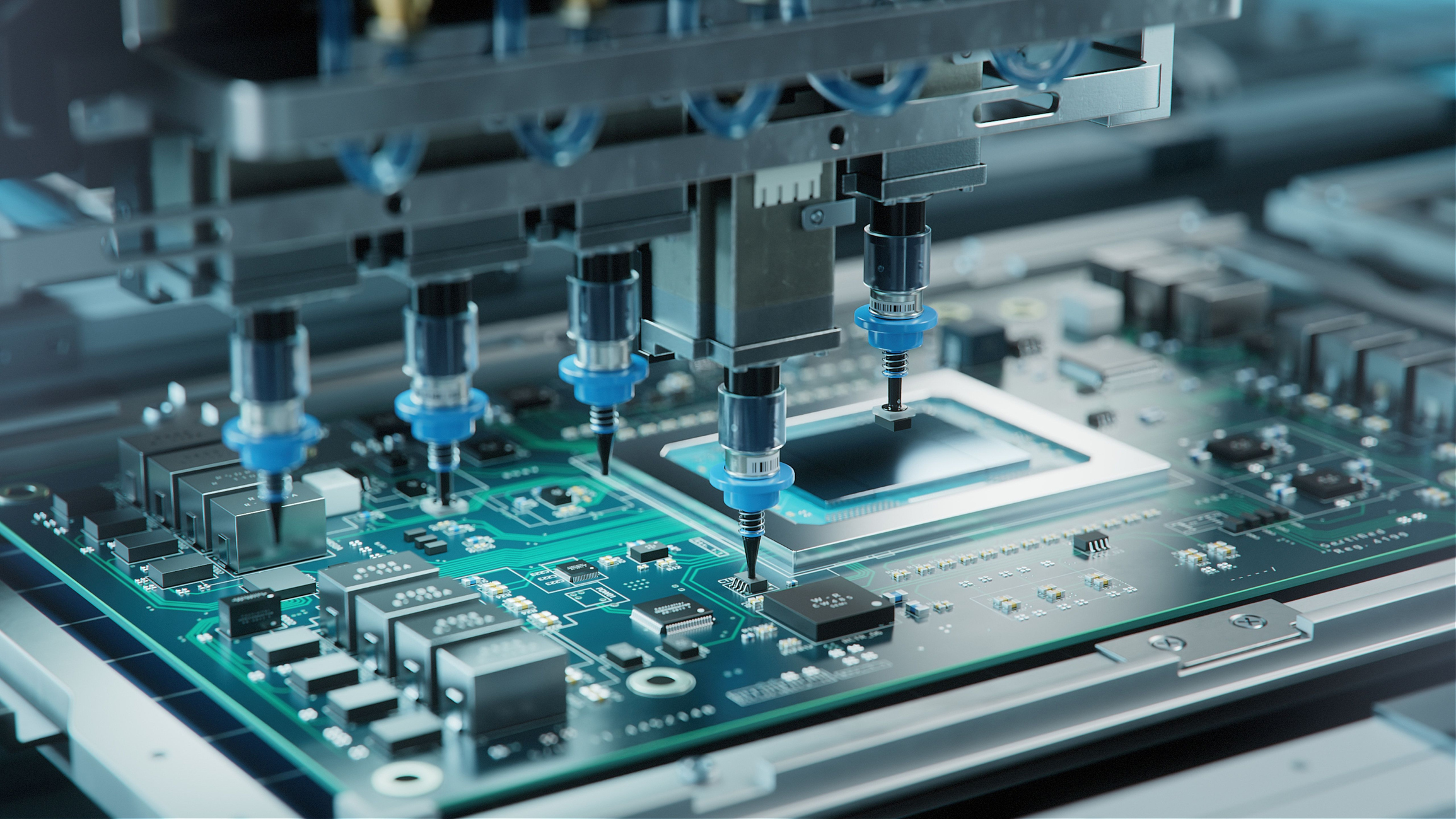
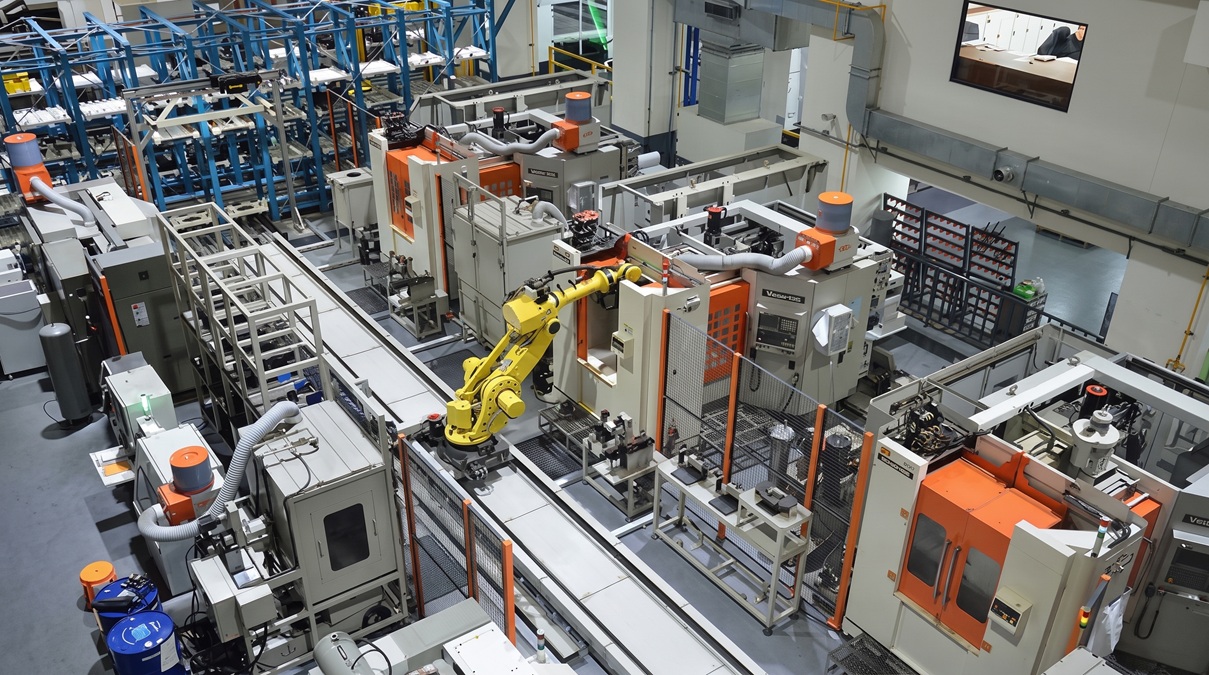
The production of coffee equipment involves precision engineering, especially for espresso machines, grinders, and pour-over tools. Traditionally, Italy and Germany have dominated espresso machine manufacturing, while Japan and the USA are known for pour-over devices and grinders. In recent years, Taiwan has emerged as a significant player in coffee equipment manufacturing.
Taiwan’s Manufacturing Capabilities
From the early 1990s onward, Taiwan has developed a rich and diverse coffee culture. Coffee shops can be found in almost every neighborhood across the country. Along with the growing appreciation for coffee, Taiwan has seen the establishment of various manufacturers of high-quality coffee-making products and equipment. YUKAWA Enterprise Co., Ltd. has been a leading manufacturer of coffee and tea makers in Taiwan for over 40 years. Their product range includes French presses, coffee plungers, grinders, and thermo mugs. RiConn Precision Technology Co., Ltd., (Gee Coffee) established in 2007, specializes in the development and design of digital coffee machines, commercial coffee machines, and various coffee accessories.
For new baristas and coffee enthusiasts alike, mastering the use of coffee-making products and equipment is essential for delivering exceptional coffee. As Taiwan emerges as a manufacturing hub for advanced coffee equipment, Taiwanese manufacturers are providing baristas worldwide with high-quality tools that help them develop their skills and meet the growing demands of the specialty coffee industry.