The electrical machinery industry refers to machinery and machinery design related to the manufacturing industry. The upstream is mostly component suppliers such as steel and hardware materials, and the downstream is the manufacturing of terminal mechanical products, such as industrial precision machinery and engineering equipment.
Overview of Electrical Machinery Industry
The electrical machinery industry is divided into upstream components and downstream mechanical equipment. In the upstream component part, it is divided into steel and cast-iron components, hardware components and spare parts, oil and air pressure components, transmission components, electric control components, stamping components of mechanical equipment, etc. In the downstream equipment part, it is divided into metal processing machinery, conveying machinery and spare parts, vehicle mechanical transmission equipment and spare parts, electromechanical system engineering, hand tools, vending machines, refrigeration and air conditioning equipment and parts, metal processing and industrial special machinery, etc.
Upstream
The hardware components related companies in the upper reaches of the electrical machinery industry produce various types of precision metal parts, automobile and motorcycle parts, bicycle parts, mechanical hardware parts, electric tool gears, pneumatic gun nails, furniture nails, automotive thread products and rollers, and machinery. The stamping parts and so on. Oil-pneumatic components are used in hydraulic machines or air compressors used in automation equipment: air compressors are mainly used to provide compressed air required for the process in the factory, use electrical energy to compress the air, drive the crankshaft through the motor, and then compress the air in a closed space The piston compresses the air to generate stored kinetic energy for the driver; the hydraulic press is a device that can convert fluid energy into linear mechanical force or motion. It uses special hydraulic oil as the working medium and the hydraulic pump as the power source. The force makes the hydraulic oil enter the cylinder/piston through the hydraulic pipeline, and then there are several sets of seals that cooperate with each other in the cylinder/piston. The seals in different positions are different, but they all play a sealing role, so that the hydraulic oil cannot Give way. Oil and air pressure related parts such as hydraulic cylinders, hydraulic chuck fixtures, hydraulic tools, hydraulic pipe fittings, hydraulic connectors, etc. The downstream of hydraulic components are mainly used in the automotive industry. Transmission components are mainly used to transmit and convert power to achieve actions and functions, that is, to drive various mechanical power components such as gears, bearings, slide rails, etc. Related products include machining of precision metal parts, forging and pressing of automobile, motorcycle and bicycle parts, machining, electric tools, automobile and motorcycle components, slide rails and linear motors, stepping motors, servo motors and DC motors, mainly used downstream in the aerospace industry. Electronic control components refer to all kinds of electrical control components such as switches, relays, and alarms used in electrical circuits, and are mainly used downstream in the semiconductor industry.
Stamping components of mechanical equipment are components made by stamping metal processing. The manufacturing method is to use molds and impact tools to cut and bend them to form the specified finished shape and size. It can be divided into casting, shearing, bending, cutting, drawing, forming, compression and other different processing types form objects of a certain shape. Plastic processing can be divided into stamping processing, forging, calendaring, stretching, extrusion, transformation, etc. Among them, stamping OEM is the most representative, and stamping OEM can be divided into shearing, bending, extension, compression and special processing.
Stamping components are widely used in various electronic products. Due to the different types, functions and sizes of various electronic products, the materials, thickness and precision of the required components are also different. Customers entrust stamping manufacturers to meet their own needs. Development and design of moulds; steel cast iron components cast steel is a general term for products obtained by casting molten steel as a material, and is mainly used in the defense industry.
The target customers of upstream parts manufacturers in the electrical machinery industry are mainly downstream machine tools and related equipment industries. The customer base of upstream parts manufacturers is larger than that of downstream manufacturers. Especially when the economic cycle is in an upward cycle, the operating growth momentum of parts manufacturers is lower than that of downstream manufacturers. Taiwan has a global leading position in the bicycle parts industry and has become the largest exporter of bicycles in the world. All bicycle parts are exported from my country, and Taiwan has the world’s largest bicycle chain manufacturer, which supplies 90% of the world’s brake systems. In the past, due to low-price competition between mainland China and India, domestic manufacturers turned to mid-to-high-end bicycles and continued to work hard. R&D innovation, development towards high value, resulting in an increase in the average selling price year by year. In 2021, the export volume of complete vehicles will increase significantly, and the total will approach 3 million units. Regardless of traditional bicycles or electric bicycles (E-bike), the export volume and export value will show double-digit growth; especially for electric bicycles, the export volume will approach one million units. The export value is nearly 37 billion yuan, with an annual increase of 30%, both of which hit a record high. The North American Free Trade Area (NAFTA) and the European Union (EU) finished vehicle exports were 875,000 units and 548,000 units, accounting for 44% and 27.6% respectively. The two regions together accounted for 71.61% of the country’s total bicycle exports. %, among the top ten exporting countries, the United States, the United Kingdom, and the Netherlands account for the top three, and Australia is the fourth. Except for Australia and Japan, which is the seventh, all others are distributed in Europe and the United States.
At present, the global bicycle industry is evolving, and with the rise of AI and Internet of Things technologies, bicycle manufacturers are in line with global market trends, and the transformation of the bicycle industry has also combined two major technological trends to create a trend of smart cycling. Traditional bicycles are equipped with motors, batteries, and controls. After adding the Internet connection function, it will become intelligent and become an electric assisted bicycle. At present, the traditional bicycle is transferred to the electric bicycle, and the electric bicycle is becoming popular. Benefiting from the continued boom in the global bicycle market, although the epidemic and the Ukrainian-Russian war have affected the market’s shortage of materials and cabinets, Taiwan’s traditional bicycle exports will reach 1.9869 million units in 2021, an annual increase of 16.95%, with an export value of 1.314 billion US dollars, an annual increase of 19.71%; while the export volume of electric bicycles reached 987,200 units, an annual increase of nearly 30%, the export value was 1.314 billion US dollars, an annual increase of more than 33%; the export value of bicycle parts reached 2.518 billion US dollars, an annual increase of 56.71%.
The epidemic has changed the way of life around the world. In order to maintain social distance, cycling has become one of the best ways of commuting and exercising, and it will even become a new normal in the future. The overall market’s enthusiasm for cycling continues unabated, especially for zero-contact, and it can also strengthen the body The overall bicycle industry has risen against the trend, and with the popularization of electric bicycles, foreign countries that pay attention to environmental protection and green energy have almost replaced the existence of motorcycles with electric bicycles, which meet the short-distance transportation and mobility required by modern people. After the epidemic, the concept of fitness and epidemic prevention has improved, and the trend of leisure sports and green environmental protection has prevailed. With the measures of European and American governments to encourage and subsidize the bicycle industry, it is estimated that the second half of 2022 will continue to drive the demand for bicycle gas and components. In the future, in addition to continuing to produce competitive mid-to-high-end bikes, China’s major bicycle manufacturers will also strive to enter the high unit price electric bicycle market, which will drive the demand for spare parts factories to increase. They will also adopt the central satellite factory system and brand factories Cooperating with component manufacturers to form an industrial alliance and collaborative development, the industrial cluster effect will appear, the supply chain will expand production capacity, and drive industrial upgrading, making Taiwan an important supplier of bicycle components. In particular, my market share in the United States has been the largest for four consecutive years, and it ranks second in the German and Dutch markets, second only to mainland China.
Downstream
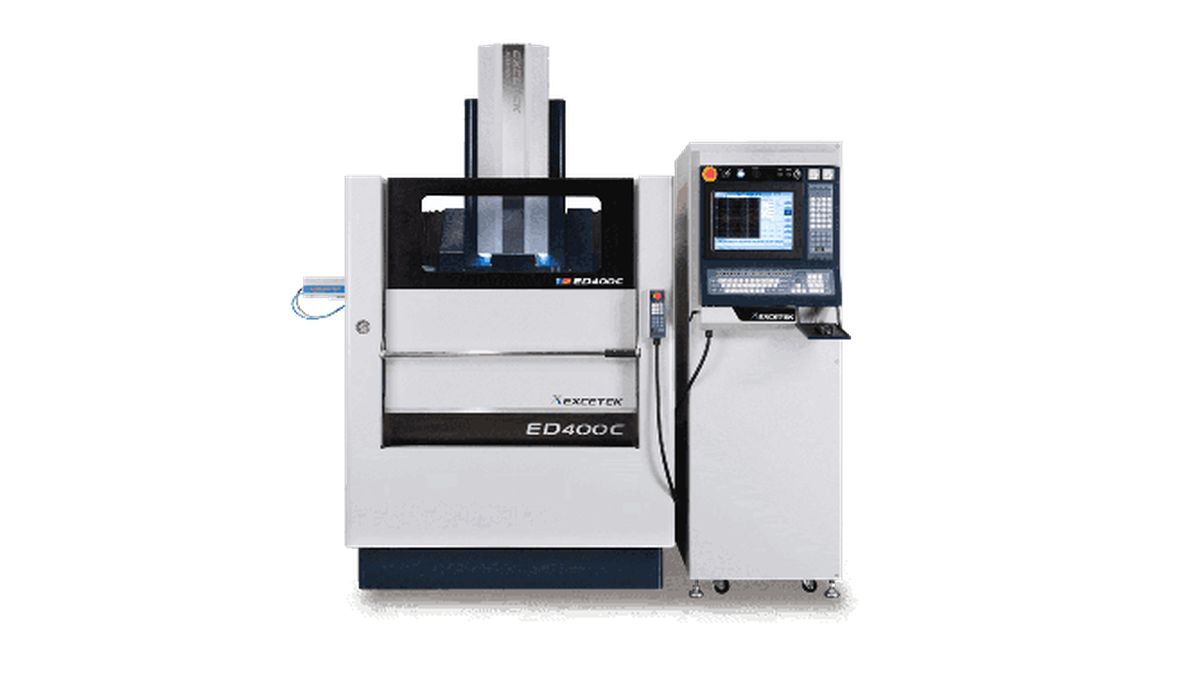
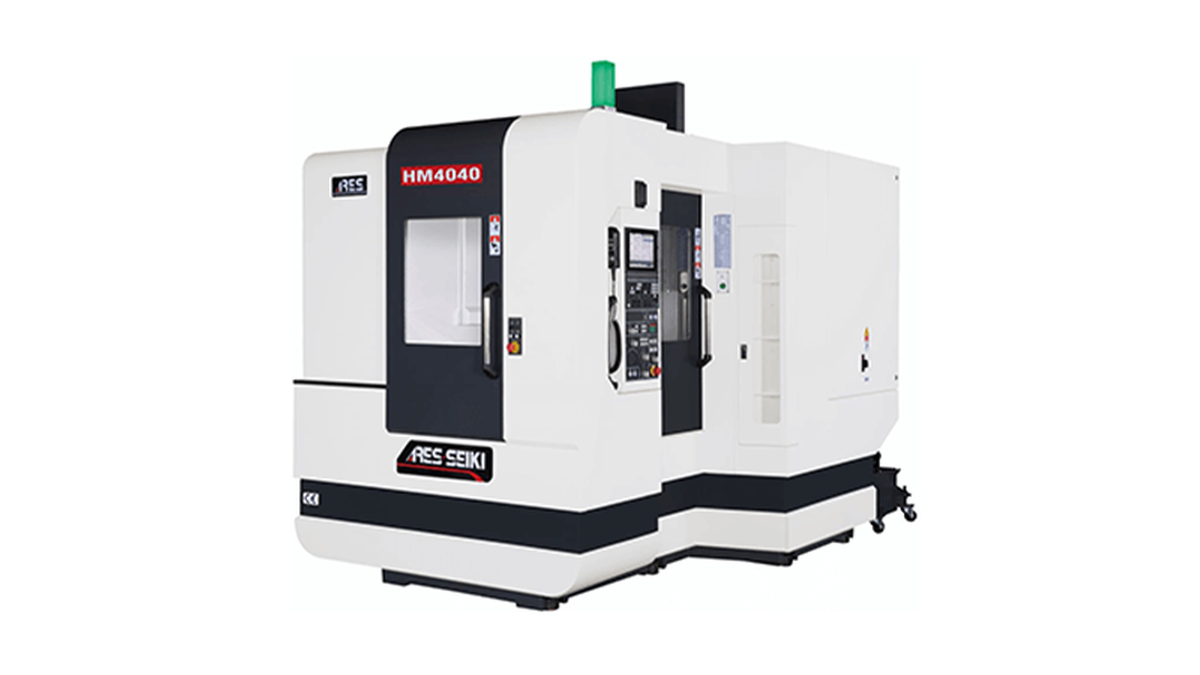
The downstream products of electrical machinery cover various types of machinery and equipment and parts. Manufacturers related to metal processing machinery produce hydraulic presses, paper shredders, food machinery, machine tools, comprehensive processing machines, cutting centers, machine tools, punches, electric power tools, and printed circuits. Plate drilling machine, jig grinding machine, wireless control system, uninterruptible power system equipment, etc. The products produced by industrial special machinery include sewing machines, baking machines, food and beverage automatic production equipment, plastic injection molding machines, precision mold grinding machines, semiconductors, special gas pipeline engineering and production vacuum process equipment chambers, industrial heavy-duty machinery such as boom lifts, loaders, excavators, drilling machines, forming machines and special machines for sheet metal processing, wireless control systems for green buildings, special machines for printing machines, labeling machines, conveying machinery and spare parts, and mechanical transmission for vehicles equipment and spare parts, mechanical and electrical system engineering, hand tools (such as portable electric drills, electric saws, portable electric engraving machines, portable electric disc grinders and jigs), vending machines, refrigeration and air-conditioning equipment and parts, metal processing, etc. Various machine tools in the electrical machinery industry are mainly used to produce metal parts required by various industries, and are the basic tools of the manufacturing industry.
The global supply chain is changing. In the past, global factories were located in mainland China. After the epidemic, all countries hope to establish their own supply chains and manufacturing centers, driving the demand for the machinery industry to blossom everywhere. In the future, smart machinery will replace traditional equipment. Will usher in the sky of intelligent machines. Smart manufacturing is an inevitable trend in the future. Many manufacturers of low-end and mid-range products have already transformed and upgraded to high-end manufacturing.
The European Union is about to impose carbon tariffs in 2023. At present, the issue of carbon neutrality is attracting global attention, and the United States, Japan, and South Korea have also successively formulated carbon reduction schedules. In the future, Taiwan will also face this issue. In response to energy conservation, carbon reduction, and carbon neutrality environmental trends such as ESG and ESG, in addition to technological progress, how to reduce energy consumption, carbon emissions, and make production more automated will generate great business opportunities, and smart machinery and smart manufacturing will be the solution to carbon neutrality.





.jpg)
.jpg)