Latin America and the Caribbean (LAC) will resume economic growth in 2022, after contracting by 6.7% in all countries due to the effects of the pandemic last year. The recession caused by the epidemic will take years to recover from, and those living in poverty will continue to be the most affected.
Economic growth status of countries in Latin America and the Caribbean for 2021:
- In 2020, Gaia's GDP grew by 43.5%, and it will lead to a growth rate of 21.2% in 2021, mainly because Gaia began to sell the oil it discovered several years ago.
- Peru leads the way with an economic recovery of 11.3% and is on the verge of overcoming setbacks caused by the pandemic.
- Chile's economy grew by 10.6%.
- Panama's economy grew by 9.9%.
- The Dominican economy grew by 9.1%.
- Belize's GDP grow 9% in 2021 after falling 14%.
- El Salvador's economy grew by 8%.
- Colombia's economy grew by 7.7%.
- Nicaragua and Bolivia grew by 5.5%.
Latin America has been severely affected by the outbreak:
The main reason for the remarkable economic recovery in Latin America and the Caribbean is the expansion of vaccine coverage and the reduction in the number deaths as a result. Although the covid-19 outbreak did not originate in Latin America and the Caribbean, it was one of the regions hardest hit by the virus, with more than 40 million Latin American and Caribbean people infected. Latin America and the Caribbean’s GDP fell 6.7% in 2020 due to the pandemic after having barely managed a 0.8% expansion in 2019.
Latin America and the Caribbean (LAC) is recovering from the covid-19 crisis, but at a slower pace than expected, with economic and social consequences that will take years to overcome. The majority of the student population lost an average of one and a half years of education. The decline in the United Nations Human Development Index (HDI) outstripped the global financial crisis.
Latin America and the Caribbean (LAC) will not only face challenges in achieving a strong recovery and providing jobs, but will also face multiple risks. New strains of the virus could affect growth forecasts over the next two years, and persistent global inflation could lead to higher interest rates, which in turn affect demand. In addition, rising private corporate debt will also hurt the recovery. In the public sector, rising deficits and government debt will limit the actions that can be taken in the future.
Facing scarcity of resources, there is a great need to promote dynamic, inclusive, and green growth, and governments will consider the most efficient way to use public resources. In addition to the challenges of achieving the high growth rates necessary to reduce social tensions, early reforms in infrastructure, education, health, energy policy, and innovation must take into consideration the influence of development on climate change. If a country fails to address its structural problems, weak growth is likely to persist and will not be sufficient to eradicate poverty and ease social tensions. Although the service industry has been severely hit by the epidemic, the acceleration of digitalization will help promote the development of related industries. Technological, financial, and logistical advancements will enhance market competitiveness and improve economic efficiency.
Export condition of Latin American countries:
Looking at the export sales of Latin American countries, we see China is the main export market for Brazil, Chile, and Peru. The United States is the main export destination for Colombia and Ecuador. The United States and China together account for more than 50% of Chile's foreign trade sales and more than 40% of Brazil and Peru's product exports. Latin America's exports to the United States and China both exceed the value of trade within the region.
The covid-19 epidemic has had a severe impact on global trade, and Latin American countries have not been spared. By 2020, the total exports of six Latin American countries (Argentina, Brazil, Chile, Colombia, Ecuador, and Peru) fell by 8%. Latin America's exports to China are more resilient because China's economic recovery has been faster than that of the United States. In addition, agricultural products accounted for a relatively high proportion of the export commodity mix.
China is actively entering Latin America:
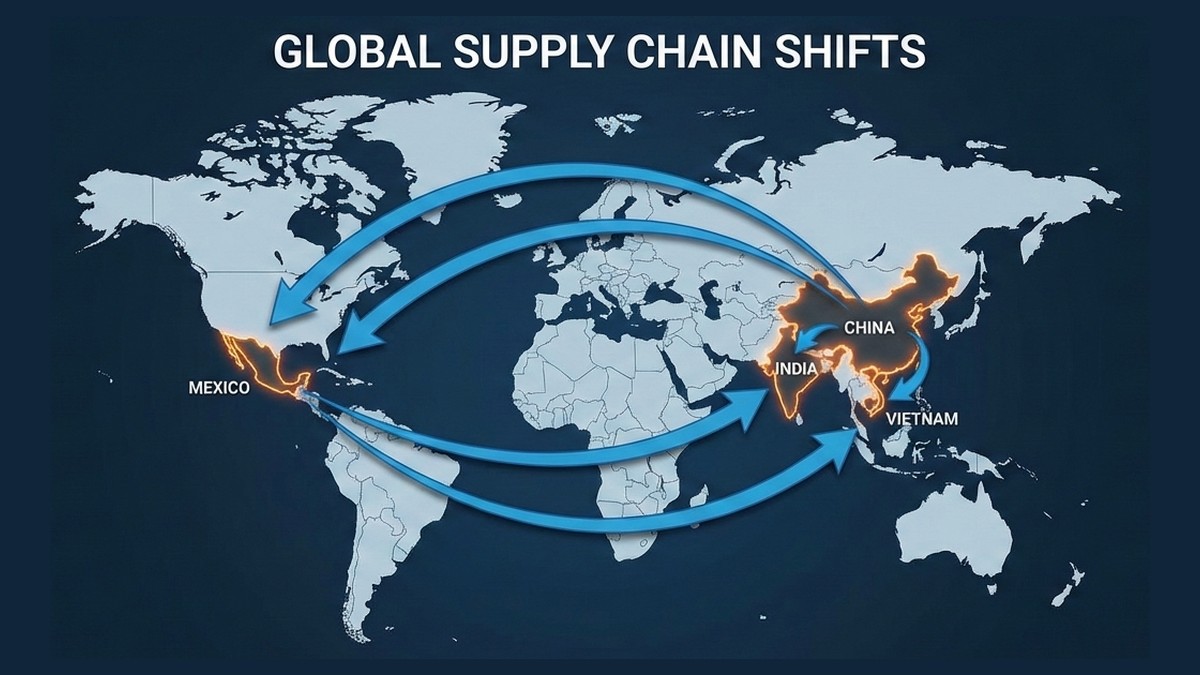
Latin America has the world's largest deposits of copper, iron ore, silver, lithium, and niobium, which are used to make electronic components such as rechargeable batteries and semiconductors. China's activities in Latin American and Caribbean countries are mainly to obtain local mineral resources and agricultural products. The merchandise trade volume between China and Latin America and the Caribbean was only US$18.9 billion in 2002; by 2020, it had increased by 1,466% to about US$300 billion.
In terms of investment, while the United States and European countries remain the largest sources of investment in the region, accounting for 82% of FDI flows in 2019, direct investment in China is on the rise, with the majority of investment being M&A. In the past 10 years the CCP’s share of cross-border M&A in the region increased from 12.5% to 17.7%. Chinese investment in Latin America has expanded to the entire supply chain. Take the lithium industry as an example: Chinese companies have expanded their investment in the entire supply chain, including mining, refining, and the final product, lithium-ion batteries. China's investment in Latin America has enabled it to influence or control 59% of global lithium production, and it has also strengthened its ability to influence global lithium supply and pricing. To reduce the cost of cargo transportation, China is also actively participating in port investment in Latin America and the Caribbean, with Chinese entities participating in about 40 ongoing port operations or port projects in Latin America.
China is also heavily involved in building telecommunications infrastructure in Latin America, and Huawei has become a major competitor in building 5G infrastructure in Brazil, Chile, Colombia, and Mexico. Its strategy is to foster long-term customer reliance and access to user data, but Chinese technology poses security risks in the region.
The CCP has extended the Belt and Road Initiative to Latin America and the Caribbean. As of 2021, 19 countries in Latin America and the Caribbean have signed up for the Belt and Road Initiative, hoping to attract China's investment.