Discover how circular economy strategies help manufacturers reduce costs, improve resource efficiency, strengthen ESG performance, and create long-term competitive advantages through sustainable manufacturing.
As global industries face increasing pressure from resource scarcity, fluctuating raw material prices, climate change, and stricter environmental regulations, the traditional "take-make-dispose" model is becoming increasingly unsustainable. Manufacturers are no longer expected to focus solely on improving production efficiency—they must also rethink how products are designed, how materials are used, and how resources can be recovered after a product reaches the end of its lifecycle.
In response to these challenges, the circular economy has become one of the most important strategies for achieving sustainable manufacturing. Unlike the traditional linear economy, which follows a one-way production model, the circular economy emphasizes designing products that can be repaired, reused, refurbished, remanufactured, or recycled. The goal is to keep products and materials in circulation for as long as possible while minimizing waste and reducing dependence on virgin resources.
For manufacturers, adopting circular economy principles delivers benefits that extend well beyond environmental protection. Companies can improve resource efficiency, reduce raw material costs, strengthen supply chain resilience, create new business opportunities, and enhance long-term competitiveness. As sustainability becomes an increasingly important factor in customer purchasing decisions and global supply chain requirements, integrating circular economy strategies is rapidly becoming a business necessity rather than simply an environmental initiative.
What Is a Circular Economy? How Is It Different from the Traditional Linear Economy?
For decades, most manufacturers have operated under a linear economy model in which raw materials are extracted, transformed into products, used by consumers, and eventually discarded as waste. While this approach supported rapid industrial growth for many years, it has also contributed to growing concerns over resource depletion, carbon emissions, and environmental pollution.
The circular economy offers a different approach by focusing on maximizing the value of products and materials throughout their entire lifecycle. Instead of treating products as disposable once they have fulfilled their initial purpose, manufacturers seek ways to extend product life through repair, refurbishment, remanufacturing, and recycling. This allows valuable materials to remain in use for much longer while reducing waste generation and the demand for new resources.
At its core, the circular economy is built on three key principles:
Unlike the traditional model, circular economy thinking begins at the product design stage. Manufacturers consider how products will be maintained, upgraded, disassembled, and recycled long before production begins. By designing with the entire product lifecycle in mind, companies can improve resource efficiency while creating products that are more durable, repairable, and sustainable.
Rather than relying solely on recycling at the end of a product's life, manufacturers can adopt a variety of circular practices throughout the production process. These include selecting recyclable materials, reducing unnecessary material consumption, extending product life through maintenance and upgrades, implementing product take-back programs, and recovering valuable materials through remanufacturing. Together, these strategies help businesses reduce waste, improve operational efficiency, and create greater long-term value from existing resources.
How Is the Circular Economy Transforming Manufacturing?
The circular economy is reshaping manufacturing far beyond waste reduction. It is influencing every stage of the value chain, from product development and material selection to production, logistics, after-sales services, and end-of-life recovery. As sustainability becomes an increasingly important competitive factor, manufacturers must consider not only how efficiently products are made, but also how they can remain valuable throughout their entire lifecycle.
Companies that embrace circular economy principles are moving beyond traditional cost-focused manufacturing strategies. They are designing products that are easier to maintain, reuse, and recycle while improving material efficiency and creating new revenue opportunities through services such as refurbishment and remanufacturing.
Designing Products for Circularity
Product design plays a critical role in determining whether a product can support a circular economy. Decisions made during the design phase directly affect how easily products can be repaired, upgraded, disassembled, or recycled once they reach the end of their initial use.
To improve product circularity, manufacturers are increasingly adopting design strategies that prioritize long-term usability and resource efficiency. Common approaches include:
These design improvements not only reduce environmental impact but also lower maintenance costs and improve resource utilization. As regulations continue to evolve—particularly within the European Union—circular product design is becoming an important competitive advantage for manufacturers serving international markets.
Increasing the Use of Recycled Materials
Another important aspect of the circular economy is reducing dependence on virgin raw materials. By incorporating recycled plastics, recycled metals, recovered paper, and other secondary materials into production, manufacturers can reduce environmental impacts while improving resource efficiency.
Using recycled materials also helps businesses manage risks associated with raw material shortages and price fluctuations. As supply chains become increasingly uncertain, diversified material sourcing allows manufacturers to maintain more stable production and better control operating costs.
However, successfully integrating recycled materials requires more than simply replacing virgin resources. Manufacturers must establish clear material specifications, strengthen supplier collaboration, and implement effective quality control systems to ensure consistent product performance. Building reliable secondary material supply chains is therefore essential for achieving both sustainability and production stability.
Building Reverse Logistics Systems
Unlike traditional supply chains that focus primarily on delivering products to customers, circular supply chains also emphasize recovering products after use. Reverse logistics enables manufacturers to collect used products, components, and materials so they can be repaired, refurbished, remanufactured, or recycled instead of becoming waste.
Returned products may be collected through distributors, retailers, service centers, logistics providers, or dedicated take-back programs. After inspection, manufacturers can determine whether products should be repaired, upgraded, dismantled for material recovery, or restored for resale.
An effective reverse logistics system not only maximizes resource utilization but also helps reduce waste, improve material recovery rates, and create additional business value. At the same time, manufacturers must carefully evaluate transportation costs, collection efficiency, product residual value, and processing capabilities to ensure these systems remain financially sustainable.
Expanding Repair, Refurbishment, and Remanufacturing
Repair, refurbishment, and remanufacturing are becoming increasingly important strategies for extending product life while reducing material consumption. Rather than manufacturing entirely new products, companies can restore used equipment or components through inspection, cleaning, replacement of worn parts, testing, and reassembly until they meet performance standards comparable to new products.
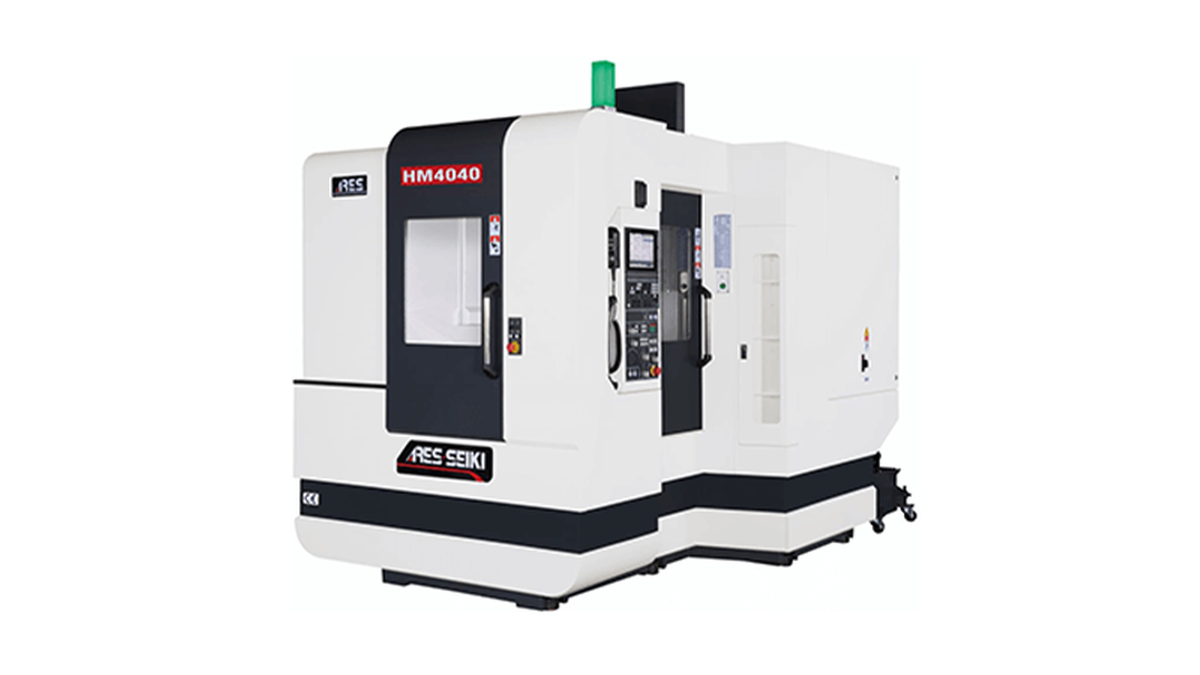
These practices are particularly valuable for high-value products such as industrial machinery, machine tools, automotive components, electric motors, compressors, medical equipment, and electronic devices. By recovering existing products instead of producing new ones from raw materials, manufacturers can significantly reduce both production costs and carbon emissions.
Beyond environmental benefits, remanufacturing also creates new business opportunities. Manufacturers can expand their aftermarket services by offering maintenance programs, replacement parts, refurbishment services, and long-term technical support. These value-added services not only generate recurring revenue but also strengthen customer relationships and improve brand loyalty over the product's entire lifecycle.







.jpg)
.jpg)