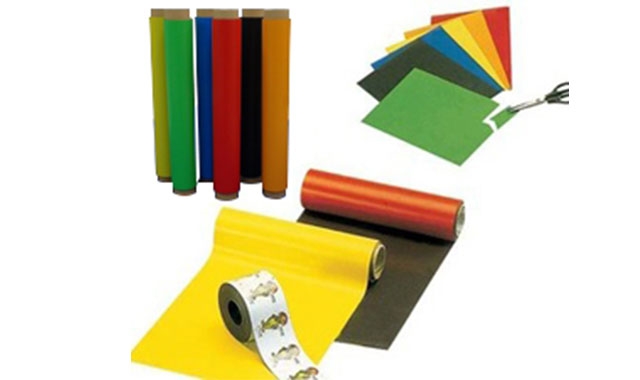
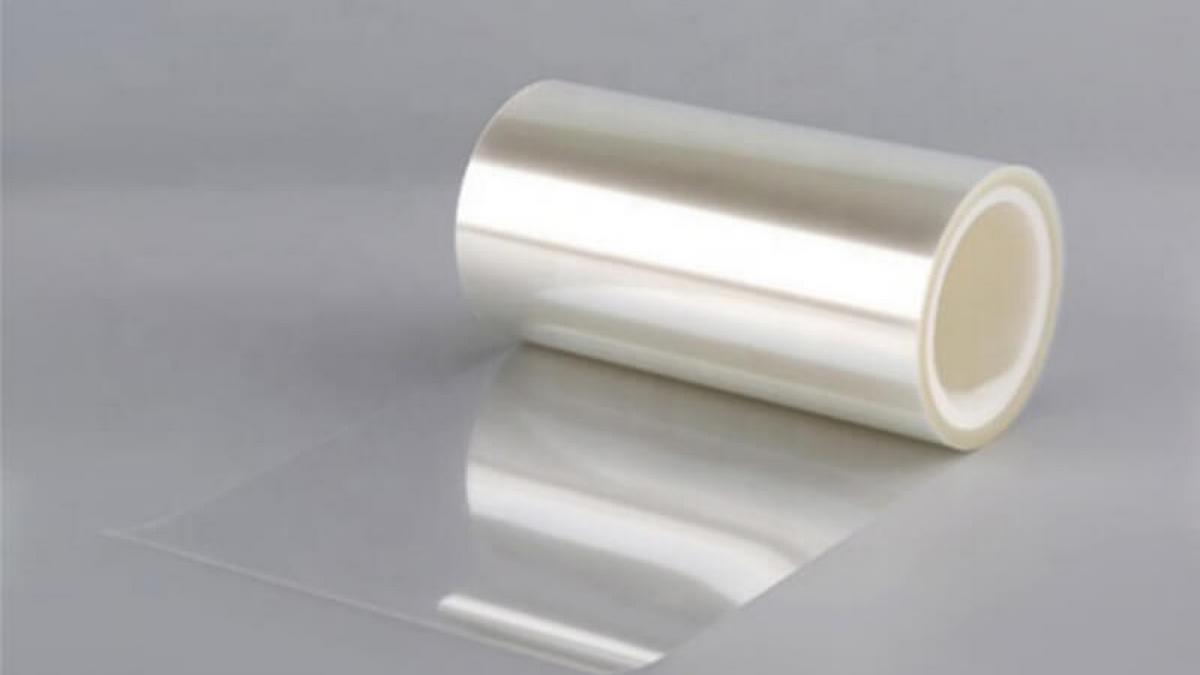
With the rise of environmental awareness and the global push for sustainable development goals, traditional plastics face increasing environmental pressure due to their challenges in decomposition and recycling. In response, the manufacturing industry is actively developing and applying eco-friendly plastic materials to build green manufacturing systems. This article explores the types, characteristics, and industrial applications of eco-friendly plastics to assist industry transformation and upgrading.
![Analysis of Green Plastic Manufacturing]()
Photo by https://photo.urb2b.com/photo/#/shared_space/folder/75
Environmental Challenges of Traditional Plastics
Most conventional thermoplastics such as PE, PP, and PVC are difficult to decompose and tend to accumulate over long periods, causing serious plastic waste problems. Incineration or landfilling of plastic waste not only wastes resources but may also release harmful substances, negatively impacting ecosystems and human health.
Types of Eco-Friendly Plastics
Biodegradable Plastics
Biodegradable plastics can be decomposed by microorganisms in natural environments into water, carbon dioxide, and biomass, thereby reducing environmental pollution. Common types include:
- Polylactic Acid (PLA):Made from corn starch or other renewable plant resources, PLA offers good transparency and rigidity, suitable for packaging and disposable tableware.
- Polyhydroxyalkanoates (PHA):Produced via microbial fermentation, PHA exhibits better heat resistance than PLA and is used in medical materials and agricultural films.
Recyclable Plastics
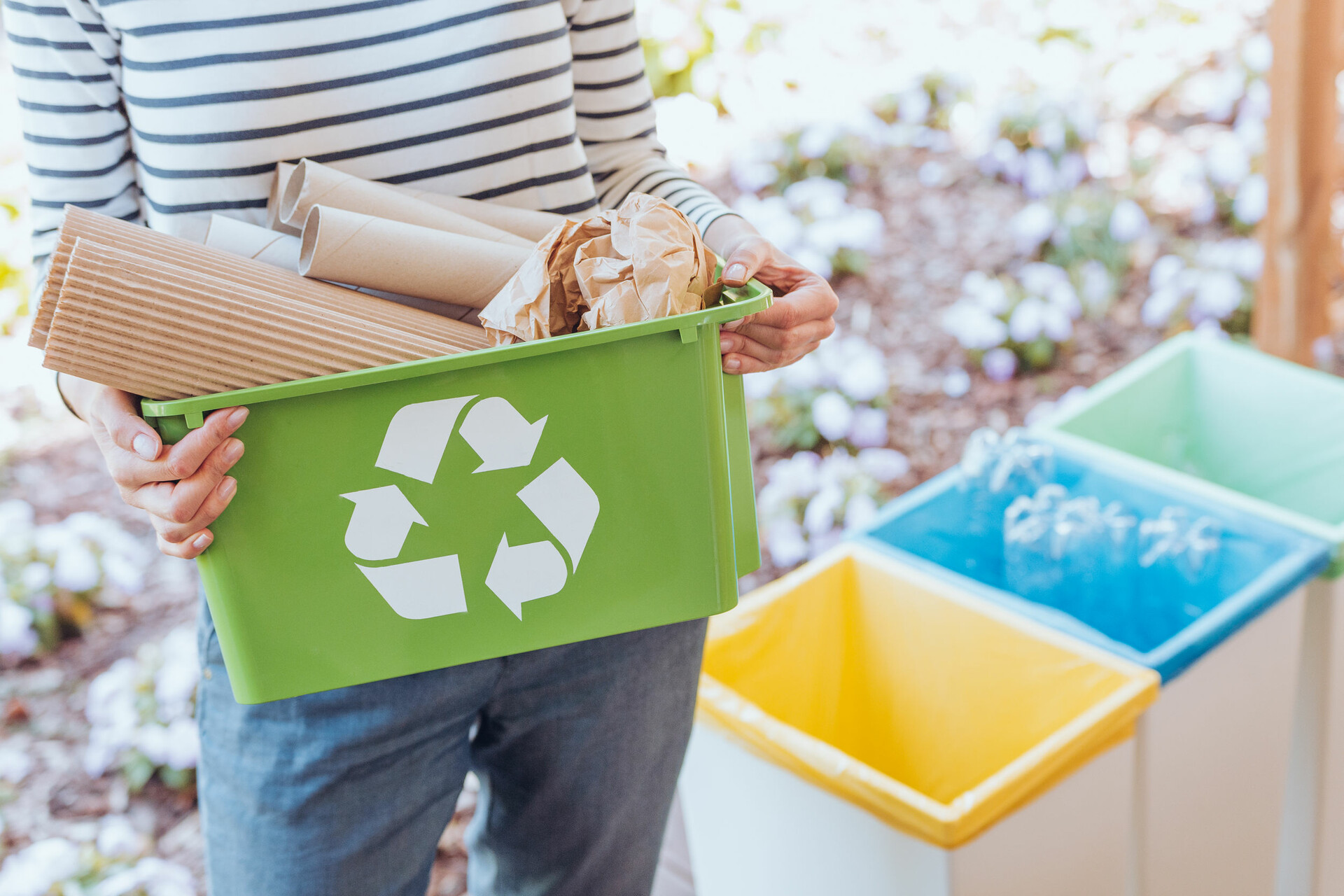
Through well-established recycling systems, traditional plastics such as PE, PP, and PET can be reused, reducing demand for virgin plastics. Product design optimized for easy disassembly enhances recycling efficiency and is a critical strategy for achieving a circular plastics economy.
Bio-based Plastics
Bio-based plastics are partially or fully made from renewable biomass but are not necessarily biodegradable. They reduce reliance on fossil fuels and help lower carbon footprints. Examples include bio-based PE and bio-based PET.
Applications and Development Trends of Eco-Friendly Plastics
- Packaging Industry:Biodegradable plastics are widely used in food packaging, shopping bags, and disposable tableware, alleviating plastic waste burdens.
- SAgriculture:Biodegradable films and mulching films improve soil quality while preventing secondary pollution.
- Consumer Electronics and Automotive:Bio-based plastics are utilized in component housings, offering lightweight and eco-friendly advantages.
- Advances in Recycling Technologies:Efficient sorting technologies and chemical recycling methods (e.g., pyrolysis, catalytic cracking) promote resource recovery from plastic waste.
Green Transformation Strategies in Manufacturing
- Prioritize eco-friendly materials while balancing product performance and environmental impact.
- Design for recyclability by simplifying assembly structures to facilitate disassembly and sorting.
- Promote circular economy models by using recycled plastics to manufacture new products and reduce waste.
- Align with government regulations and market demands by actively developing eco-compliant plastic products.
Conclusion
The development of eco-friendly plastics has become an irreversible trend in the plastics industry’s future. By advancing biodegradable plastics and strengthening recycling and circular use, manufacturers can reduce environmental burdens while enhancing corporate competitiveness and brand image. Continuous attention to material innovation and technological progress will be key to achieving sustainable development.


(4059)(20260924)(原).jpg)
(2367)(20260924)(原).jpg)