What are the Differences Between EDM and Wire-Cut EDM?
Knowledge

What are the Differences Between EDM and Wire-Cut EDM?

There are some differences between the general EDM machine and wire-cut electrical discharge machining. Different processing technologies are applied to different industrial manufacturing needs.
Published: Mar 23, 2020
What are the Differences Between EDM and Wire-Cut EDM?
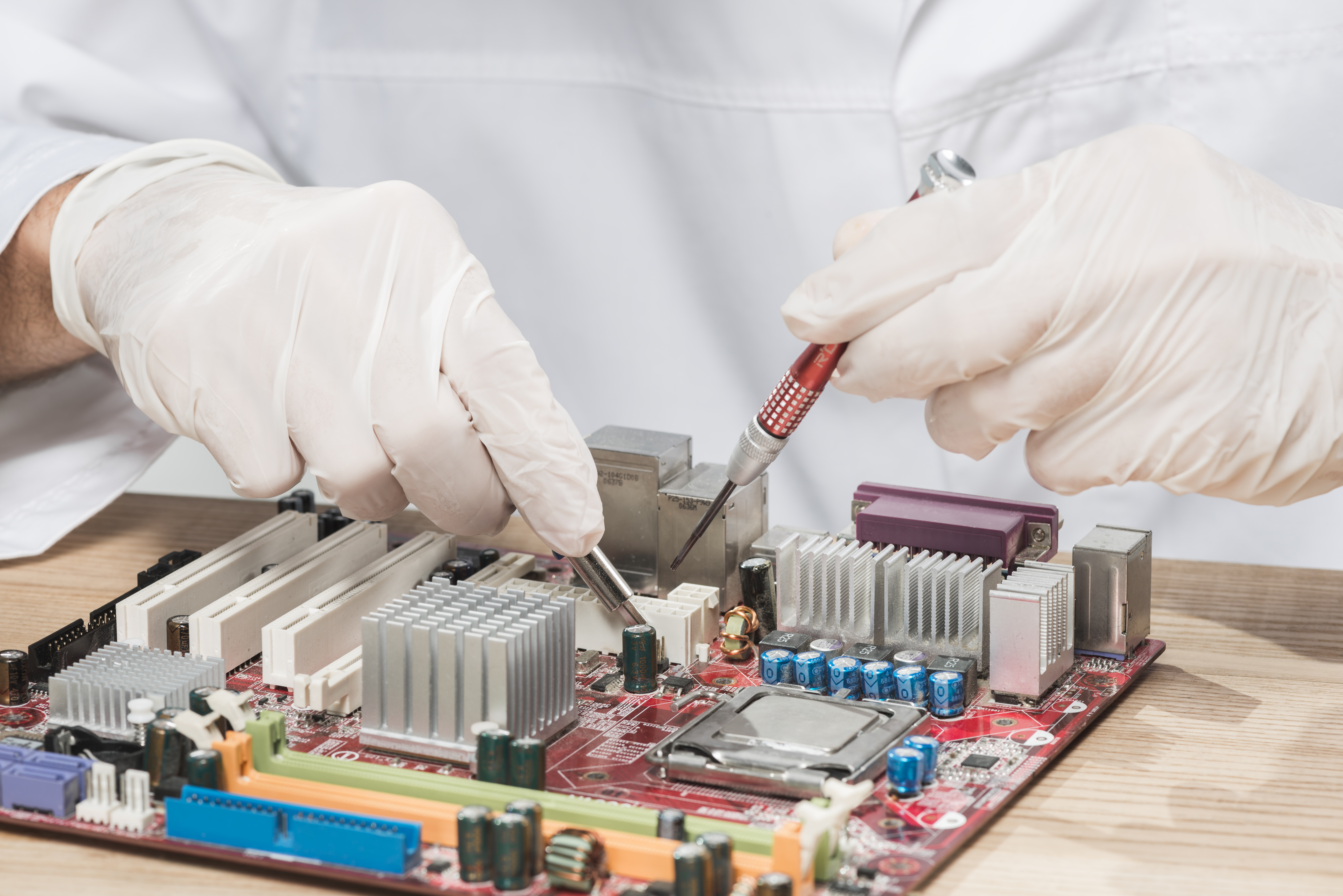
Photo by unsplash

Electrical discharge machining

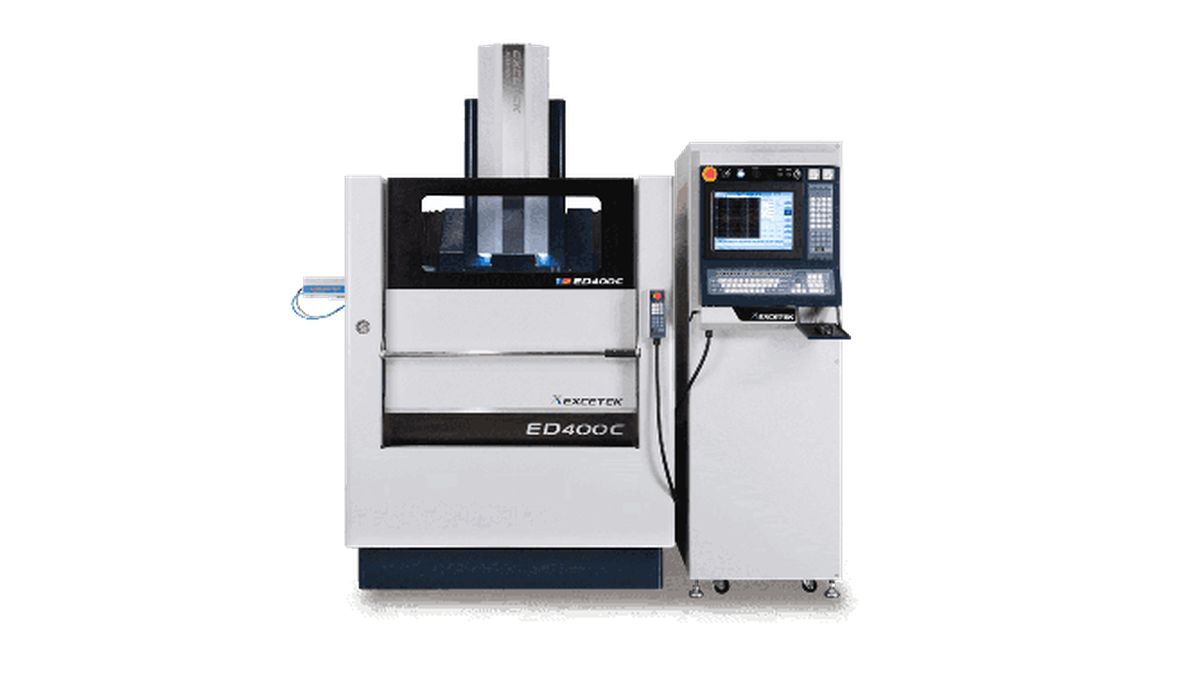
EDM Machine can be divided into two types: traditional conventional and wire cutting EDM machines. Conventional EDMs use a tool to transfer current from the cathode of the tool along with the sheet metal to the anode, and the current reacts to melt or vaporize the metal. Because the dielectric fluid is used, almost no material debris is generated and washed away from the workpiece.

Wire-cut EDM

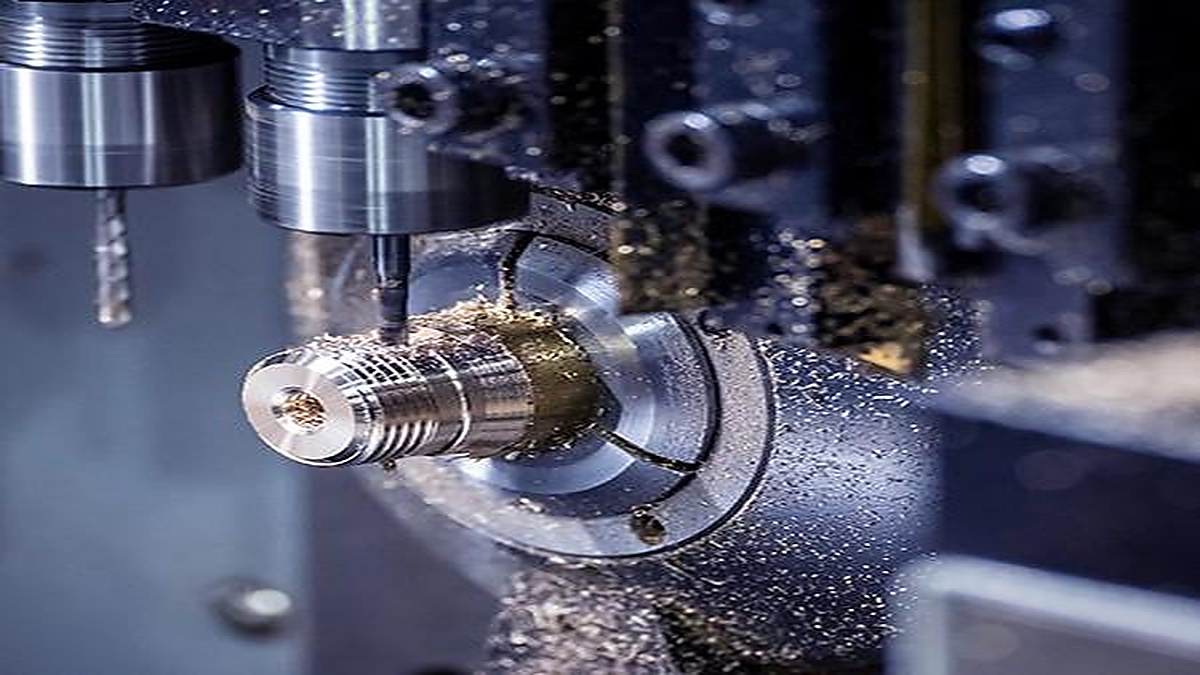
WCEDM is tensioning the thin wire, the subsequent discharge of a live current that acts as a cathode and is guided along the desired cutting path or slit. The dielectric fluid immerses the wire and workpiece in water, filtering and guiding the spark. Fine lines allow for more precise cuts, and the slitting technology can be up to three inches wide and accurately positioned at +/-0.0002 inches. The high precision of the wire-cut EDM allows for complex three-dimensional cutting processes and the manufacture of highly accurate punch dies.

The wire-cut EDM machine is operated by a CNC control instrument that can control the wire on a three-dimensional axis for greater flexibility. Conventional EDM cannot produce narrower angles or more complex patterns, while wire-cut EDM can be performed. A more precise cutting process allows for more complex cuts. The wire EDM machine is capable of cutting a metal thickness of about 0.004 inches. At a certain thickness, the wire EDM wire only evaporates the metal, thereby eliminating potential debris, in addition to all sides of the WCEDM on the wire. Sparks are emitted, which means that the slit must be thicker than the wire itself. On the other hand, since the wire is surrounded by the current loop, the smallest and most accurate cutting path is added to the diameter of the two.

Wire EDM is a metalworking technology and an unconventional process that works on components that are resistant to conventional machining processes, thousands of sparks are discharged onto metal workpieces for cutting, but the necessary conditions are that these parts must be electrically conductive, usually are metal materials such as steel, titanium, alloy, and brass. Instead of cutting the material, the EDM process melts or vaporizes it, producing precise lines and producing less debris, without spending too much workspace. EDM's precision technology is widely used in various industries to cut a variety of hard metals.

Wire Cutting EDM Application

EDM's technology and functionality, many industrial manufacturing applications in its precision production process, EDM technology can cut small objects, so it is usually applied in small and high-precision complex projects, for small production cost-effectiveness. However, in the production process of EDM, the wires have to be constantly moved and cannot be reused, so copper wires or other metal wires can be several kilometers long, thus increasing the cost. The production process of EDM does not need to be used and avoid cause burrs, so it can be used for fragile items, but the relative attention of thermal stress.


Published by Mar 23, 2020 Source :Thomasnet

Further reading

You might also be interested in ...

Headline
Knowledge
A Beginner’s Guide to Choosing the Right Brake Disc Cleaner for Automotive Maintenance
How to evaluate brake disc cleaners for safer, cleaner and more practical vehicle maintenance.
Headline
Knowledge
How 5-Axis Tapping Centers Help Reduce Setup Time, Improve Accuracy and Support Flexible Production
Why flexibility, not volume, is becoming the real competitive advantage for automotive, motorcycle and bicycle parts manufacturers.
Headline
Knowledge
Automatic Packaging Line vs. Standalone Packaging Machines: Which Is Better for Your Factory?
A practical guide to choosing the right packaging equipment strategy for your production volume, product mix, and automation goals.
Headline
Knowledge
How to Evaluate Cutting Pliers Quality Before Bulk Purchasing: Common Issues Buyers Should Watch For
A practical quality checklist for importers, wholesalers and industrial buyers reviewing cutting pliers before large orders.
Headline
Knowledge
How to Choose a Shrink Bundler Machine for Bottles, Cans and Tetra Pak Products
A practical guide to selecting shrink bundling equipment for beverage, food and carton packaging lines.
Headline
Knowledge
Knee Mill vs Bed Mill: What’s the Difference and Which One Fits Your Workflow?
Why Choosing Between a Knee Mill and a CNC Bed Mill Matters
Headline
Knowledge
Beyond Part Holding: The Role of TCP Thin Carrier Plate in Advanced Automated Manufacturing
As manufacturing environments become more compact, more precise, and more automated, components that were once treated as secondary are gaining much greater technical importance. Among them, the tcp thin carrier plate has become increasingly relevant in high-density production, especially in processes involving precision transfer, terminal handling, dipping-related applications, and repeated automated movement. For procurement teams, process engineers, and equipment integrators, the decision is no longer just about whether a carrier plate can physically hold a part. The more important question is whether it can maintain stable performance under real production conditions. In high-density manufacturing, even a small variation in flatness, thickness consistency, rigidity, or thermal behavior may lead to process instability, lower yield, or increased equipment interruption. This is why the tcp thin carrier plate is now being assessed more carefully as a process-critical component rather than a simple fixture.
Headline
Knowledge
Biodegradable Straw Making Machines: Key Technologies Driving Sustainable Packaging Production
This article examines how biodegradable straw making machines are supporting the shift toward sustainable packaging production. It covers PLA and paper straw manufacturing technologies, automation trends, production challenges, and key factors manufacturers should consider when selecting biodegradable straw production equipment.
Headline
Knowledge
What Do Fruit Juice Suppliers Provide? A Practical Guide for Beverage and Food Brands
A practical overview of ingredient formats, supplier services, and sourcing considerations for beverage and food product development.
Headline
Knowledge
Understanding HVLP Technology: How Low Pressure High Volume Saves Paint and Costs
A practical guide to how HVLP spray systems improve coating efficiency, reduce waste, and support better cost control.
Headline
Knowledge
Why Skin and Immune Formulation Matters More Than Coat Appearance in Companion Animal Health
Skin and coat concerns in companion animals often signal a broader formulation challenge rather than a surface-level issue alone. Recurrent dryness, itching, dull coat condition, and visible sensitivity are frequently linked to barrier weakness, immune imbalance, nutrient utilization, and digestive stability. Products positioned only around coat shine or a single trending ingredient may therefore fall short in daily use. More effective formulation usually begins with a broader biological view: skin health is closely shaped by the interaction between barrier function, immune response, microbiota balance, and life-stage needs.
Headline
Knowledge
Why Food Safety Certifications Matter More Than Ever in Bubble Tea Supply Chains
Bubble tea supply chains are under greater scrutiny than before. Flavor innovation still drives demand, but in cross-border trade, growth increasingly depends on whether ingredients can move through approval processes smoothly, meet market-specific expectations, and remain consistent across repeated shipments. Certifications such as ISO 22000, HACCP, FSSC 22000, HALAL, and KOSHER are no longer just supporting documents. They now influence market access, supplier credibility, risk control, and the ability to maintain stable commercial relationships over time.
Agree