A punch, also known as a punch press, is a forming process technology. There are many kinds of it. Due to different structural principles, the price and processing effect will change in response, but they all have the same structure. With the rapid development of the stamping industry, competition in all walks of life has increased. "Punches are also used in various industries, such as aerospace, education, auto parts, diving equipment and so on.
What is A Punch?
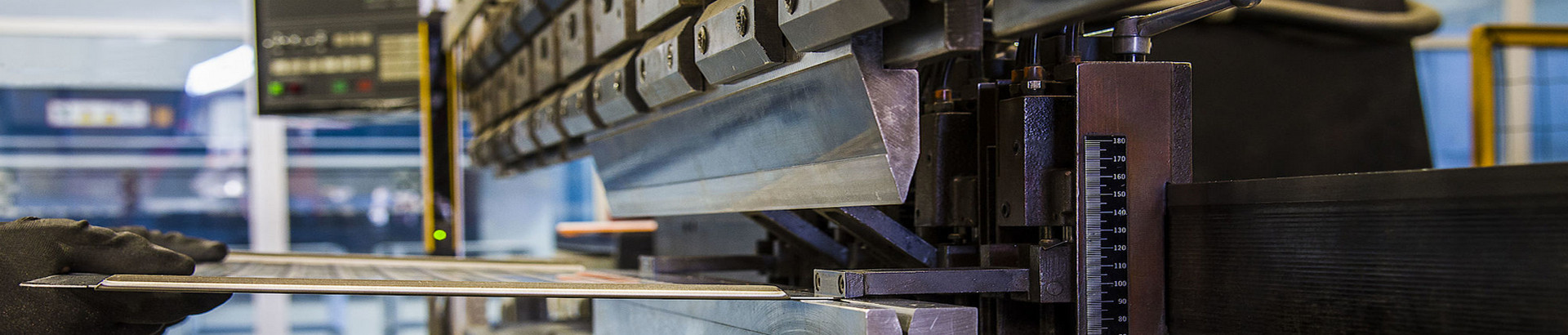
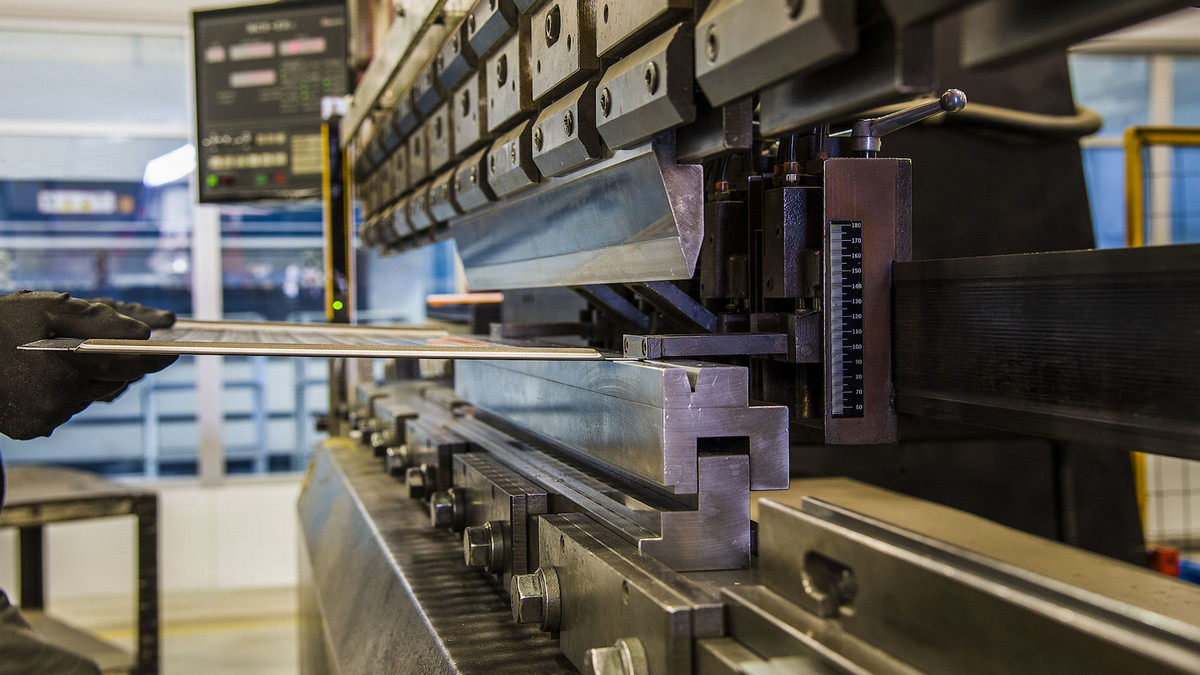
A Punch, also known as punching machine, stamping press, is divided into manual and pneumatic. It uses pre-formed dies and pressure to make sheet metal blanks into formed products and parts. Manufacturers use automatic or manual feeders to insert sheet metal into a punch between the die and the die surface. The press descends onto the sheet metal, using the compressive force presses the material into the mold to form the desired shape.
Metal stamping is a versatile punching process that produces accurate, uniform products quickly and efficiently. The process is used for large and small production runs and is often combined with other metalworking processes such as machining, assembly and finishing.
There are many specialized punch techniques that can be used to produce specific effects, including:
Punching: Involves the use of dies and presses to punch holes in a workpiece.
Blanking: The workpiece is punched out of a metal slab.
Embossing: Use raised or indented text, graphics, and designs in sheet metal.
Casting: Similar to embossing, but with raised or indented text, patterns and graphics embossed on both sides of the workpiece.
Bending: Using a bending machine, a force is applied to a metal workpiece, which is bent into a V or U shape from its original axis.
Flanging: The edge of the workpiece around the punched hole is bent at a 90° angle to the sheet, creating an edge around each hole.
The Working Principle of The Punch
The working principle of the punch press mainly converts the rotary motion into linear motion. The main motor provides the power to drive the flywheel. Through the clutch and connecting rod, the flywheel drives the crankshaft or eccentric gear, and converts the surrounding motion into straight line use. transfer point. During operation, the drive structure provides power for the up and down movement of the gate, opening and closing the upper and lower die shoes.
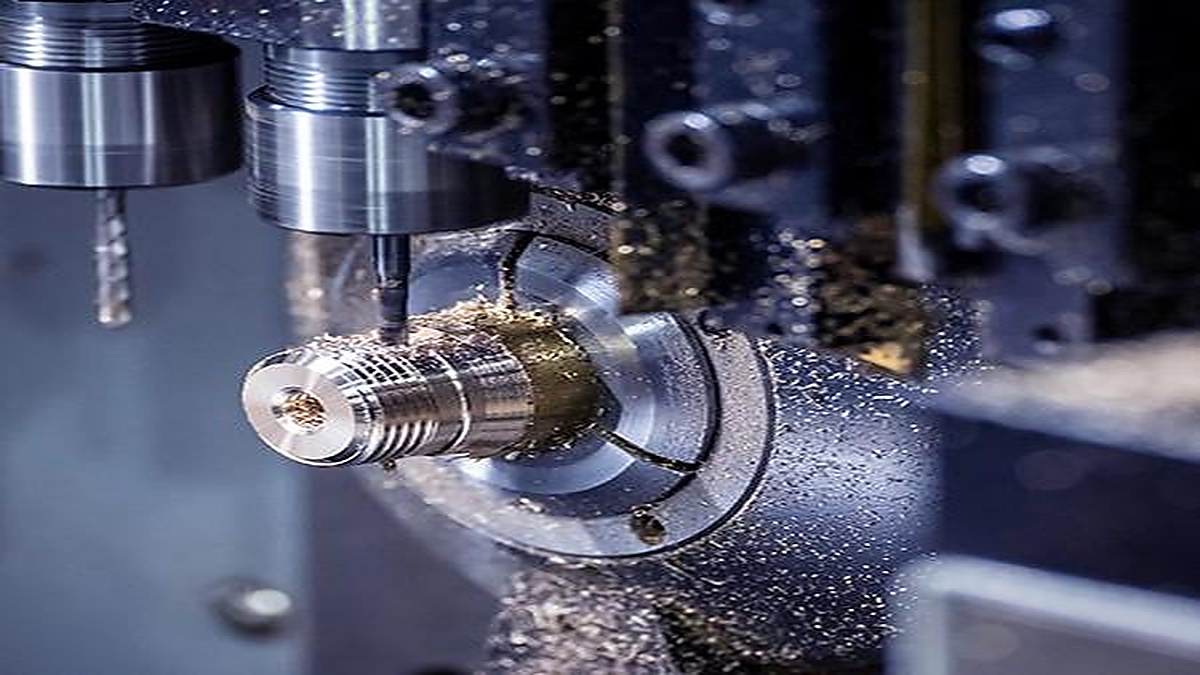
In recent years, in addition to punching processing, various processing modes have emerged, such as 5 Axis CNC Machining Service, vacuum casting, 3D printing, sheet metal processing, etc. In particular, 5-axis processing is more widely used in various industries. Its processing has the advantages of reducing production time and processing time, as well as a single setting function, which can process parts with complex structure and special shape, and is specially used for processing complex surfaces.
During this process, a strip of sheet metal is passed between the die bases, and as the punch moves down, pressure is applied to the sheet metal and a hole is cut, and the separating part falls out of the die opening.
Type of The Punch
Punch processing equipment is usually divided into three types: mechanical, hydraulic and servo. The punching process is further divided into progressive die, transfer die, four-piece stamping and fine blanking.
1. Mechanical Punch
Mechanical punches have a motor connected to a mechanical flywheel, which stores energy to help the machine run. These punches can produce punches of various sizes, ranging from 5mm to 500mm, depending on the specific punch used.
Mechanical punches can range in speed as low as 20 beats per minute or as fast as 1500 beats per minute, requiring additional energy at lower speeds and the operator can add an auxiliary flywheel to the drive.
The operator of the mechanical press will use electronic controls, clutches and brakes as needed to help engage and disengage the press drive.
Use of Mechanical Punch: Commonly used to make simple parts made from sheet metal, often used in high-volume production for transfer and incremental punching.
2. Hydraulic Punch
Hydraulic presses use hydraulic oil as a power source, and the technology used in hydraulic presses has improved significantly over time, with each improvement providing upgrades to electronics and valves.
The fluid released in hydraulics has a force proportional to the diameter of the ram, which enables a high degree of control by applying pressure at any given moment.
The pressure used in the hydraulic press can be preset by the user, and the speed at which the slide moves when the die is closed can also be adjusted. When normal pressure levels are reached, the valve helps activate the impulse flip to avoid overloading.
Use of Hydraulic punch: Commonly used to manufacture small and complex parts.
3. Mechanical Servo Punch
A mechanical servo press does not use a flywheel as a power source, instead, it relies on a large-capacity electric motor to complete the manufacture of complex parts faster than a standard hydraulic press.
Servo punch presses are highly programmable and can easily control punch formation, slide position, motion and speed, and such machines operate on link-assisted drive systems or direct drive systems.
Its high speed and high degree of customization make the mechanical servo press the most expensive option of the three.
4. Progressive Die Punching Technology
Progressive stamping does not require multiple machines to perform multiple functions and processing functions in one set of operations, a strip of rolled metal unrolls into a single die press with multiple stations performing individual functions. Each workstation adds work previously done, resulting in a finished product.
Progressive stamping simplifies the production of complex parts, reducing production time while increasing efficiency. Since the part is still attached to the metal roller, it must be precisely aligned during movement.
Progressive die punching is ideal for long runs as the die has a long life and won’t suffer any damage during the manufacturing process. Like several other punching processes, the progressive process can be reused and each job performs differently. Cut, bend or punch to get the desired shape and design.
5. Model Transfer Punching Technology
Model transfer punching is similar to progressive die technology in that it uses a mechanical transport system to move parts from one station to another. A mould can be a simple single mould or several mould parts arranged in a row.
Commonly used in pipe applications, frames, housings and structural parts, it has also been developed for larger parts and workpieces and has the benefit of reducing tooling costs.
6. Four-Slide Punch Technology
Four-slide stamping technology, also known as multi-slide or four-way stamping, is a process that integrates stamping and forming operations. This technique is ideal for making complex assemblies with lots of bends or twists, using a tool with four sliders instead of one vertical slider, and then shaping the tool through multiple deformations.
7. Precision Stamping Technology
Precision punch technology provides high precision and smooth edges, usually done on hydraulic or mechanical punching presses, or a combination of the two. A precision punch operation consists of three distinct actions:
1. Clamp the workpiece or workpiece material in place
2. Blanking operation
3. The finished part is ejected
Precision punch presses operate at higher pressures than those used in traditional punching operations, so both tooling and machinery need to be designed with higher operating pressures in mind.
Fine blanking produces edges that avoid breakage from conventional tooling, surface flatness that exceeds other stamping methods, and reduces overall manufacturing costs because it is a cold extrusion technique.
Introduction of Punch Materials
Punch presses can be used to shape a variety of metals, including ferrous and non-ferrous metals. The type of metal chosen will largely depend on its intended application and the size, shape and design of the product.
1. Ferrous Metal
Ferrous ferrous metals are generally magnetic and more durable. Steel is a well-known ferrous metal with a wide variety of uses.
Ferrous metals are valued for their high strength, but their iron content also makes them more prone to rust and corrosion than non-ferrous metals. Of these, carbon steel is the most commonly used ferrous metal in metal stamping applications because of its extremely high tensile strength.
2. Non-Ferrous Metals
Both non-ferrous metals and alloys do not contain iron and therefore are not magnetic. Non-ferrous metals are very popular in various stamping products due to their high ductility and wide range of useful properties. The non-ferrous metals most commonly used in punch applications include aluminum, tin, copper, brass, bronze, gold and silver.
Aluminum is especially popular in stamped parts and products due to its low cost, light strength and corrosion resistance. It is also important to consider the material composition of the die being used when choosing the right material for a metal punch.
While most molds consist of tool steel or hardened steel, different workpiece materials or processes may require alternative mold materials, such as aluminum or mild steel.




.jpg)
.jpg)