Discover practical strategies to improve workflow efficiency, reduce labor dependency, and maintain productivity despite ongoing labor shortages.
In recent years, the global manufacturing industry has faced unprecedented workforce challenges. Declining birth rates, aging populations, shifting labor market dynamics, and changing career preferences among younger generations have transformed labor shortages from a temporary issue into a long-term reality. For many manufacturers, difficulties in recruiting skilled workers, high employee turnover, talent shortages, and the loss of institutional knowledge have become major obstacles to productivity and competitiveness.
In response to persistent labor shortages, many companies continue to rely on hiring more workers or raising wages. However, with a limited labor supply, these approaches often provide only short-term relief and are rarely sustainable over the long run.
Rather than focusing solely on finding more employees, manufacturers should rethink how work is organized. By redesigning workflows and enabling existing employees to create greater value, companies can build a more resilient and efficient manufacturing operation.
Why Have Labor Shortages Become the New Normal in Manufacturing?
Labor shortages are not caused by a single factor; they result from the combined impact of demographic changes, evolving industrial landscapes, and shifting market demands.
Declining birth rates and aging populations continue to reduce the available workforce, making it increasingly difficult for manufacturers to recruit qualified talent. At the same time, younger generations are more likely to pursue careers in technology, digital services, and other emerging industries, leaving traditional manufacturing with a shrinking talent pool.
Meanwhile, rapid changes in global supply chains have increased customer expectations for shorter lead times, higher product quality, and greater customization. Manufacturers must now meet these demands while operating with fewer workers, making factory management more complex than ever.
As a result, labor shortages have evolved beyond a human resources issue into a strategic business challenge that directly affects operational efficiency, supply chain resilience, and long-term competitiveness.
Which Workflows Should Manufacturers Improve First?
When labor resources are limited, companies should ensure that employees spend their time on high-value activities rather than repetitive or inefficient tasks.
Repetitive Operational Tasks
Material handling, manual data entry, paper-based documentation, and routine administrative work are ideal candidates for process improvement. Simplifying or digitizing these activities can reduce manual workloads and improve overall efficiency.
Production Scheduling and Workflow Planning
Poor coordination between workstations often leads to waiting time, idle resources, and production bottlenecks. Reviewing production schedules and workflow design can significantly improve manufacturing flow and throughput.
Knowledge Transfer
Many factories still rely heavily on the experience of senior employees. When key personnel retire or leave the organization, valuable expertise can be lost, affecting both quality and productivity. Standardized work instructions and structured training programs help preserve operational knowledge and reduce this risk.
Cross-Functional Collaboration
Limited communication between production, purchasing, warehousing, quality assurance, and sales departments often results in delays and unnecessary coordination costs. Improving information sharing across departments enables smoother operations and faster decision-making.
How Can Standardization, Digital Tools, and Human-Machine Collaboration Improve Efficiency?
To address long-term labor shortages, manufacturers should focus on creating more efficient and flexible work environments rather than simply increasing headcount.
Standardize Work Processes
Standard Operating Procedures (SOPs), work instructions, and visual management systems reduce training time, accelerate employee onboarding, and minimize quality variations caused by inconsistent work practices.
Leverage Digital Tools
Manufacturing Execution Systems (MES), electronic production reporting, digital dashboards, and equipment monitoring systems provide real-time production visibility, enabling managers to make faster and more informed decisions.
Promote Human-Machine Collaboration
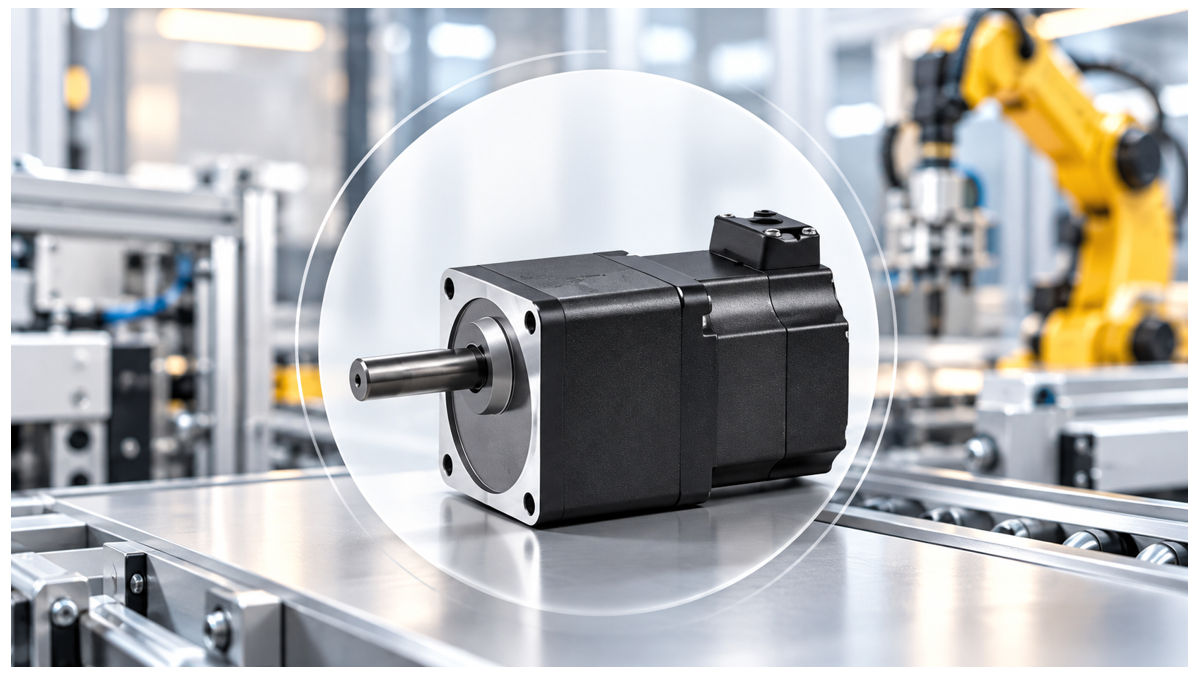
Automation is not intended to replace people entirely. Instead, machines should perform repetitive, physically demanding, or hazardous tasks, allowing employees to focus on higher-value activities such as quality assurance, equipment management, and continuous improvement.
Foster a Culture of Continuous Improvement
Encouraging frontline employees to identify improvement opportunities, regularly reviewing process bottlenecks, and promoting cross-functional collaboration help organizations continuously improve operational performance and strengthen business resilience.
How Can Manufacturers Build a More Resilient Production Model?
As labor shortages become a long-term reality, manufacturers must redesign their production systems with long-term sustainability in mind rather than relying on temporary solutions.
The first step is to evaluate existing workflows and identify repetitive tasks, operational bottlenecks, and processes that rely heavily on specific individuals. These areas should become priorities for improvement.
Next, companies should establish standardized operating procedures and knowledge management systems to preserve expertise and minimize the impact of workforce turnover.
Finally, manufacturers can gradually introduce digital technologies, automation equipment, and smart manufacturing solutions based on their operational needs. This approach allows existing employees to create greater value without relying solely on workforce expansion.
Redesign Workflows to Build Long-Term Manufacturing Competitiveness
Labor shortages are unlikely to disappear in the near future. Therefore, manufacturers need to redesign not only their workforce strategies but also the way work is performed.
Through process optimization, standardized management, digital technologies, and effective human-machine collaboration, companies can reduce dependence on labor while improving productivity, shortening training cycles, lowering operational risks, and building more resilient manufacturing systems.
In the future, manufacturing competitiveness will depend not only on equipment capacity or workforce size but also on an organization's ability to continuously improve processes, maximize workforce capabilities, and respond quickly to changing market demands. Well-designed workflows enable limited human resources to generate greater value, helping manufacturers build sustainable competitive advantages over the long term.