Optical switches are devices used in optical fiber communication networks to selectively switch or route light signals from one optical fiber to another without converting the optical signal to an electrical signal. They are used in optical communication networks, data centers, and other industries where efficient signal routing and switching are paramount.
Background
Optical switches started to gain significant attention and development around the late 1990s and early 2000s. This period marked a rapid expansion in telecommunications infrastructure and an increasing demand for higher bandwidth and faster data transmission rates, which drove the development and implementation of optical technologies, including optical switches.
The early 2000s, in particular, saw considerable advancements in the field of optical networking, with optical switches being crucial for managing the increasingly complex networks and the explosion of internet traffic
Optical switches also solve several challenges related to bandwidth limitations, signal integrity, and network scalability. With the rise of cloud computing, 5G networks, and the Internet of Things (IoT), optical switches provide the backbone for the ultra-fast, high-capacity networks needed to support these technologies.
Optical Switch Technology
Optical switches operate by directing light signals between different ports without converting them into electrical signals. The core technology relies on various mechanisms, such as mechanical, thermo-optic, electro-optic, and liquid crystal, to manipulate the path of light. Each method offers distinct advantages in terms of speed, efficiency, and scalability, making optical switches highly versatile for different applications.
Mechanical Optical Switches: These switches physically move mirrors or fibers to direct light paths. While they offer high signal integrity and low insertion loss, their mechanical nature makes them slower compared to other technologies.
Micro-Electro-Mechanical Systems (MEMS): In MEMS-based optical switches, microscopic mirrors tilt to direct light beams between fibers. These switches offer greater flexibility and can handle multiple input and output channels simultaneously. MEMS technology enables faster switching speeds and is scalable for large networks.
Thermo-Optic Switches: These switches change the refractive index of an optical material by heating it, thus altering the light path. While offering low power consumption, they tend to have slower switching speeds compared to MEMS.
Liquid Crystal Optical Switches: Utilizing liquid crystals to control light paths, these switches can handle high data rates and offer low power consumption, but they can be slower than MEMS or thermo-optic switches.
Electro-Optic Switches: These switches rely on an electric field to alter the refractive index of materials and control light. They offer high-speed switching, making them suitable for real-time applications, though they tend to be more expensive to manufacture.
Unique Applications and Benefits of Optical Switches
Optical switches have a wide range of applications in telecommunications, data centers, and beyond. Some of the unique applications include:
Data Centers: Optical switches ensure efficient high-speed data routing between servers and storage operations.
Telecommunications: In telecom networks, optical switches are particularly valuable in undersea fiber-optic cables, where signal loss must be minimized.
Optical Cross-Connects (OXCs): OXCs are often designed to be compatible with Wavelength Division Multiplexing, (WDM) which allows multiple wavelengths of light to be transmitted simultaneously over a single optical fiber.
5G Networks: Optical switches in 5G networks take WDM a step further using Dense Wavelength Division Multiplexing (DWDM) technology, which allows enhanced WDM.
Military and Aerospace: Optical switches are used in high-performance applications where data security, speed, and reliability are critical, such as in military communication systems and aerospace technologies. The inherent security features of optical networking, where data is less susceptible to electromagnetic interference and tapping, make optical switches a preferred choice for military and financial applications.
Manufacturing Insights
The manufacturing of optical switches is a sophisticated process that requires precision engineering and clean room environments. Currently, major production hubs are located in technologically advanced regions, including the United States, Japan, and Germany. These countries are known for their cutting-edge capabilities in photonics and optical technologies.
Design and Prototyping
Engineers design the switch's specifications, such as size, switching speed, and optical pathways, and a prototype is created to test the design’s feasibility and functionality.
Waveguides, Mirrors, and Prisms: Optical waveguides, which guide the light through the switch, are fabricated using photolithography. Micro-mirrors or prisms (like in MEMS-based switches), are made from silicon or specialized optical coatings, which are are shaped and polished using precision machining.
Electro-Optic Components: In electro-optic switches, electrodes are applied to the substrate. These are crucial for applying the electric field that controls the switch. The electrodes are often made of materials like gold or aluminum and are deposited using vacuum deposition techniques.
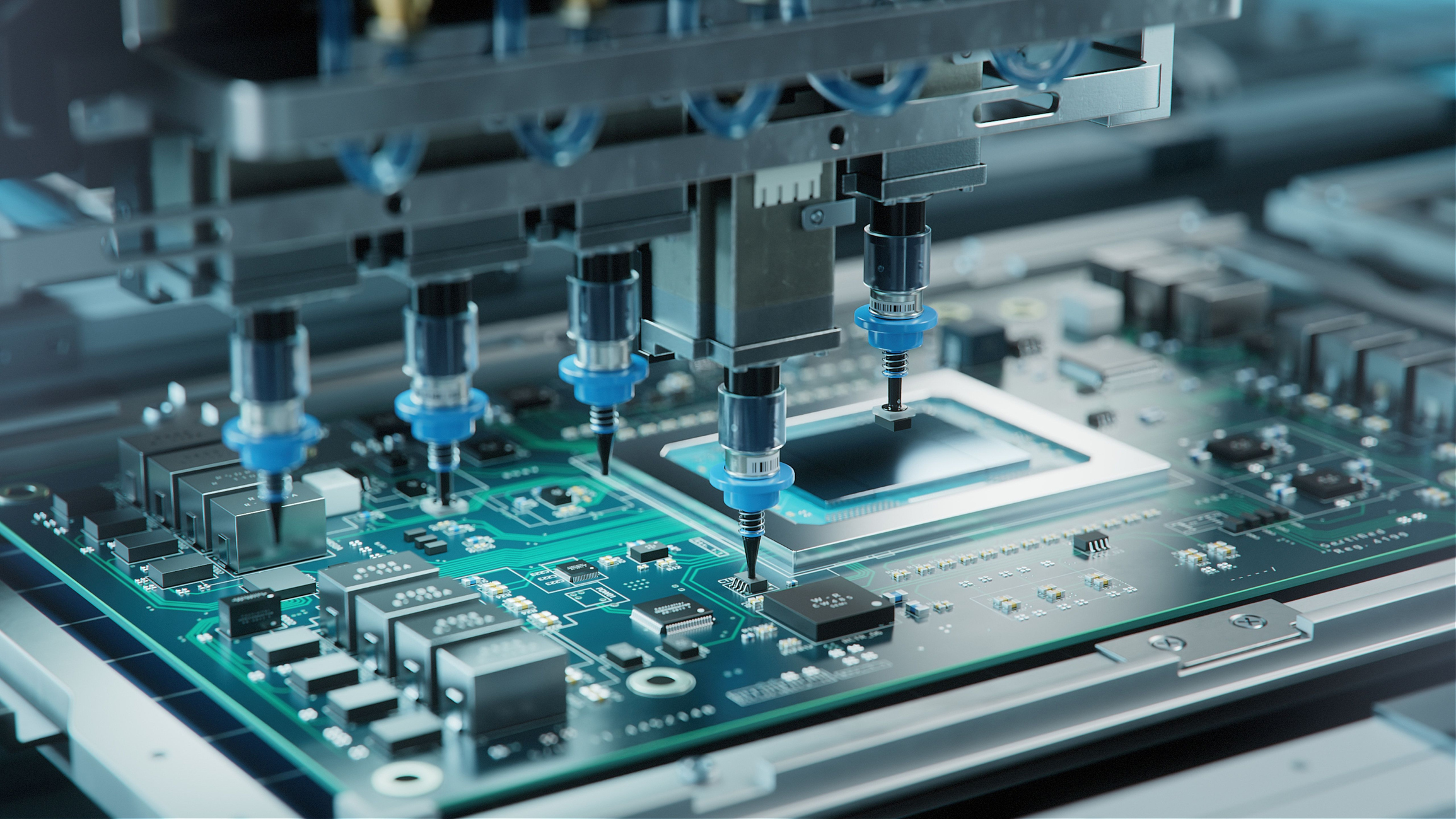
The alignment of optical fibers and electro-optic components is critical. This is usually done using precision robotics to ensure that light can pass through the switch with minimal loss.
Integration of MEMS Components: For MEMS switches, micro-mirrors are fabricated using semiconductor manufacturing techniques, similar to those used in making computer chips. These mirrors are then assembled on a chip where they can tilt or move to direct light. This movement is typically controlled by electrical signals that adjust the angle of the mirrors based on the switching needs of the network.
Encapsulation: Optical components are encapsulated to protect them from environmental factors like dust and moisture. This usually involves sealing the components in a clear, durable material that does not affect the optical properties.
Future Outlook
Innovations in optical switch technology, such as developments in integrated photonics and nano-optics, are expected to further enhance their performance and reduce costs, making them more competitive with traditional electronic switches.