
- Showing results for
- Medical Plastics
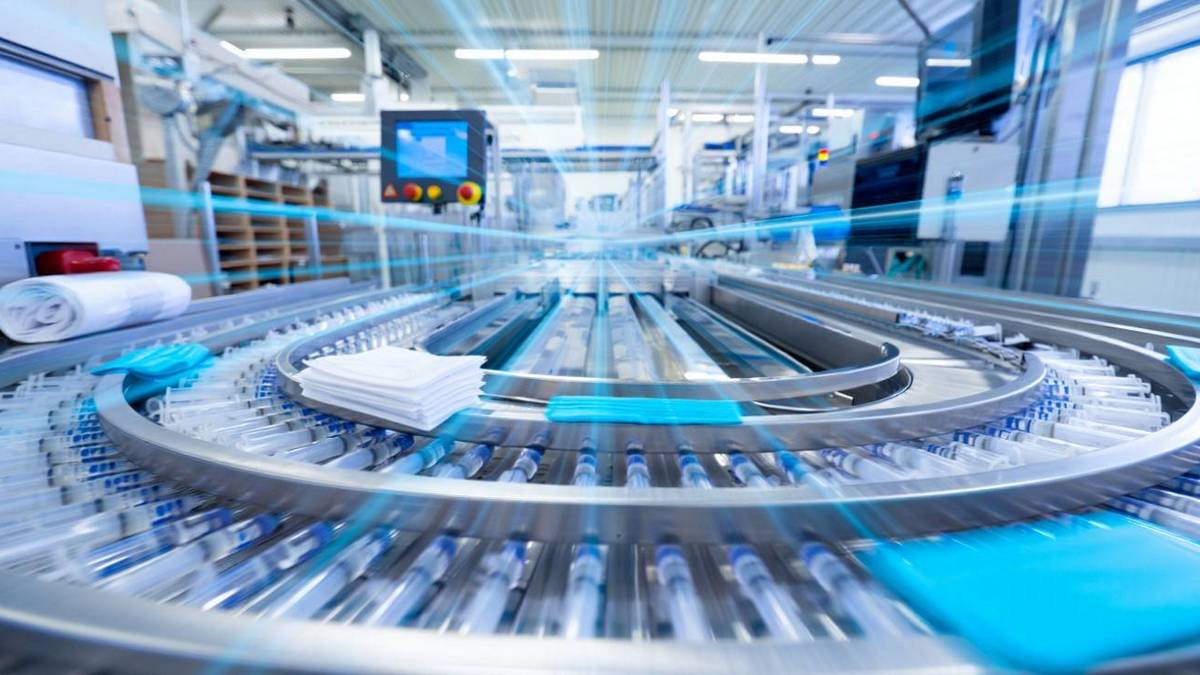
The landscape of medical device manufacturing has shifted dramatically. The days of predictable, long-lead-time forecasting are fading. In their place is a market defined by volatility, rapid innovation cycles, and the urgent need for supply chain resilience. For medical device startups and established OEMs alike, the choice of a medical plastic components manufacturer is no longer just about cost—it is about speed and agility.
2026-03-20 09:31:50
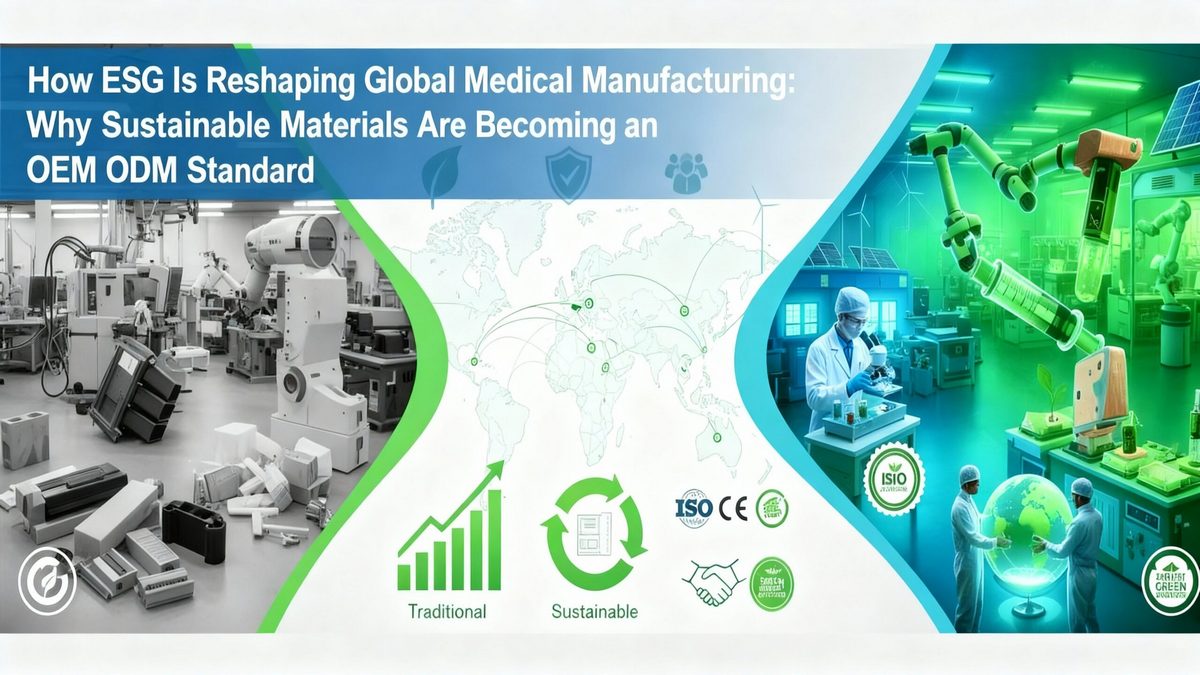
The global push toward sustainability is transforming the medical manufacturing ecosystem. Medical OEM/ODM companies, healthcare brands, and hospital systems are increasingly incorporating ESG—Environmental, Social, and Governance—criteria into supplier selection and long-term sourcing strategies. In sectors where medical-grade plastic components and precision molding play a critical role, material sustainability, recyclability, and process transparency have quickly emerged as strategic decision factors.
2026-03-19 16:24:01

BI-FIT Composite Board offers a sustainable, high-performance alternative to traditional shoe and board materials by combining recycled plastics, adhesive-free construction, and durability to reduce environmental impact.
2025-12-01 09:37:08

In Taiwan, many quietly dedicated companies play key roles in their respective fields. Yeh Her Yow Plastic Co., Ltd. (HER YOW), with over forty years of experience in plastic injection molding, is one such company. With professional technology and stable quality, they have long provided manufacturing solutions across various industries. Facing the global transformation of the manufacturing sector, Yeh Her Yow actively pushes for industry-wide innovation and technological advancement, continuously boosting its competitiveness to become a stable benchmark in the plastic injection industry.
2025-08-28 10:08:24

Plastics play a central role in modern healthcare—from syringes and IV bags to protective barriers and diagnostic equipment. These materials ensure sterility, low cost, and single-use safety, but their widespread usage also creates major sustainability and health challenges.
2025-08-08 10:52:14

The global number of premature births is increasing annually, with immature lungs being the primary cause of neonatal respiratory distress syndrome (RDS). In the United States alone, approximately 40,000 infants are affected yearly, and some survivors may suffer chronic respiratory complications. The incidence of RDS exceeds 80% in infants born before 28 weeks gestation. Traditional high-frequency or mechanical ventilation can improve oxygenation but carries risks such as airway injury from intubation, chronic lung disease, and prolonged hospitalization, alongside high consumable and staffing costs.
2025-08-05 13:33:27
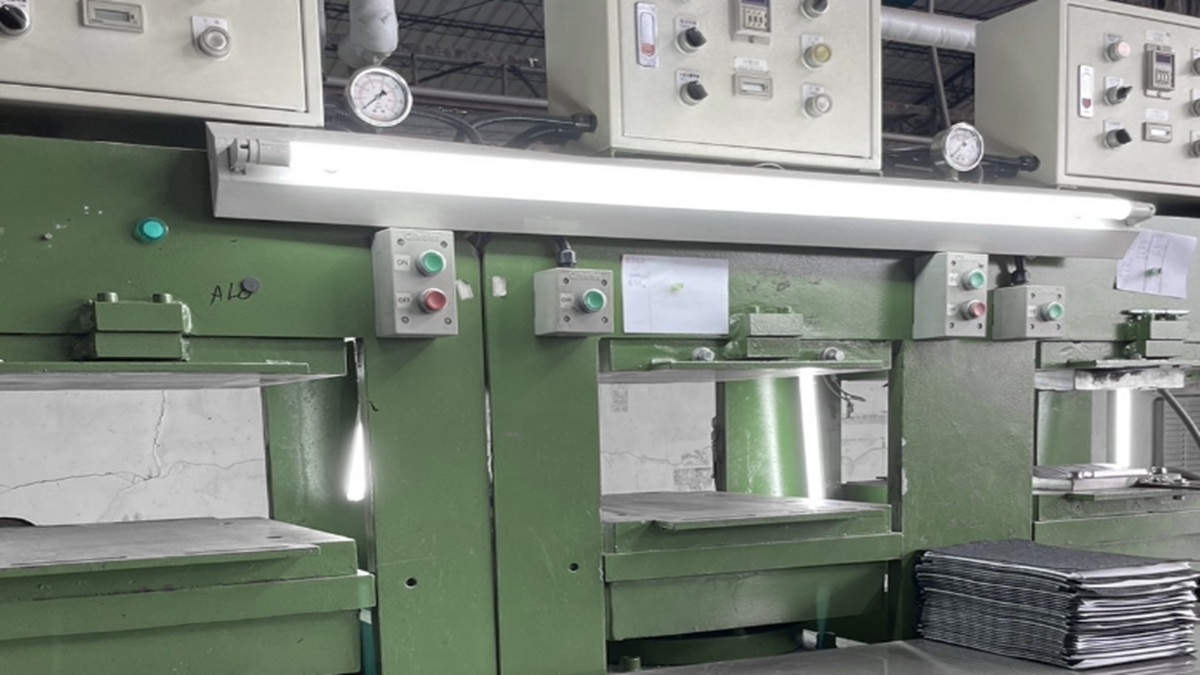
The manufacturing industry faces dual pressure: sustainable transformation and demand for high-performance materials. Material innovation is crucial. Traditional glued sheets have odor, delaminate, and pollute. Existing eco-friendly materials often have low recycled content and insufficient performance. These issues challenge international brand supply chains. Taiwan’s Yingpaochia Enterprise Co., Ltd. redefines supply chain value with unique technology and high-recycled materials.
2025-07-31 09:12:14
Agree