Green Printing Transformation Becomes the Core Competitiveness of a Sunset Industry
Photo by https://www.pexels.com/zh-tw/photo/415078/
Knowledge

Green Printing Transformation Becomes the Core Competitiveness of a Sunset Industry

As global concerns over climate change, plastic pollution, and carbon emissions intensify, the printing industry is undergoing a profound green transformation. From packaging and commercial publishing to labels and promotional materials, green printing is no longer just an added value—it's becoming a fundamental requirement for brand compliance and supply chain standards.
Published: Aug 15, 2025
Green Printing Transformation Becomes the Core Competitiveness of a Sunset Industry
Photo by https://www.pexels.com/zh-tw/photo/19791015/

According to a report by Smithers, the global green printing market is expected to grow at an annual rate of over 6%, with the market value of eco-friendly printing materials and technologies projected to exceed USD 200 billion by 2030, encompassing paper, ink, equipment, and recycling processes.

Five Global Trends Reshaping the Printing Industry Ecosystem

The Rise of Water-Based and Plant-Based Inks

    Traditional inks often contain volatile organic compounds (VOCs), which are harmful to human health and contribute to air pollution. In contrast, water-based inks and those derived from plant sources such as soybean or flaxseed oil are increasingly replacing petroleum-based components. These alternatives are not only biodegradable but also offer high color stability.

FSC and Carbon Labeling Becoming Standard

    Brands and packaging supply chains are increasingly demanding products with certifications such as FSC (Forest Stewardship Council), carbon footprint labeling, and eco-friendly packaging documentation. These measures align with ESG policies and consumer expectations in regions like the EU and the United States.

Digital Printing Replacing Traditional Offset Printing

    Compared to traditional offset printing—which consumes large amounts of water and cleaning solvents—digital printing technologies (e.g., HP Indigo, Xerox’s eco-friendly systems) reduce material waste, speed up delivery times, and lower energy consumption. These advantages make digital printing a key driver of green transformation.

Growing Demand for Recyclable and Biodegradable Packaging

    As the EU and the U.S. tighten regulations on single-use plastics, the use of paper-based packaging and biodegradable materials like PLA in printed products is expanding. This trend is fueling market growth in eco-friendly paper bags, recyclable boxes, and nature-themed product labels.

Closed-Loop Supply Chains and Material Recovery Integration

    Companies are now focusing not just on sustainable printing processes, but also on closed-loop recycling systems across the supply chain. This includes the use of recycled paper, reclaimed ink cartridges, and the reuse of printing waste—ensuring environmental responsibility at every stage.

The Transformation Opportunity for Foil Stamping Printing

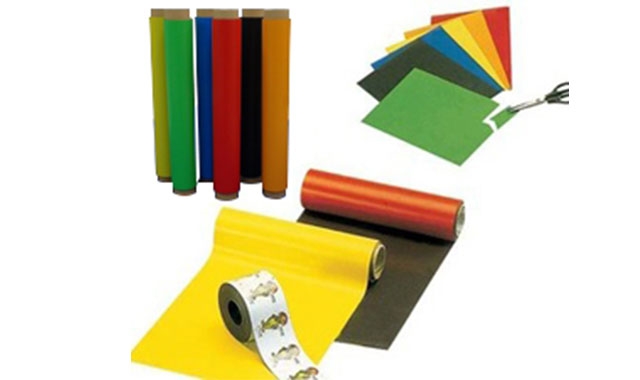
Special foil stamping printing is widely used in luxury packaging, cosmetic boxes, wine labels, and premium printed products due to its high gloss, embossed texture, and luxurious appearance. However, traditional foil stamping often relies on metallic films with plastic carriers, making the packaging difficult to recycle, leaving high material residues, and contributing to a significant carbon footprint. Below are four key green innovation directions in foil stamping:

Carrier-Free Foil Stamping

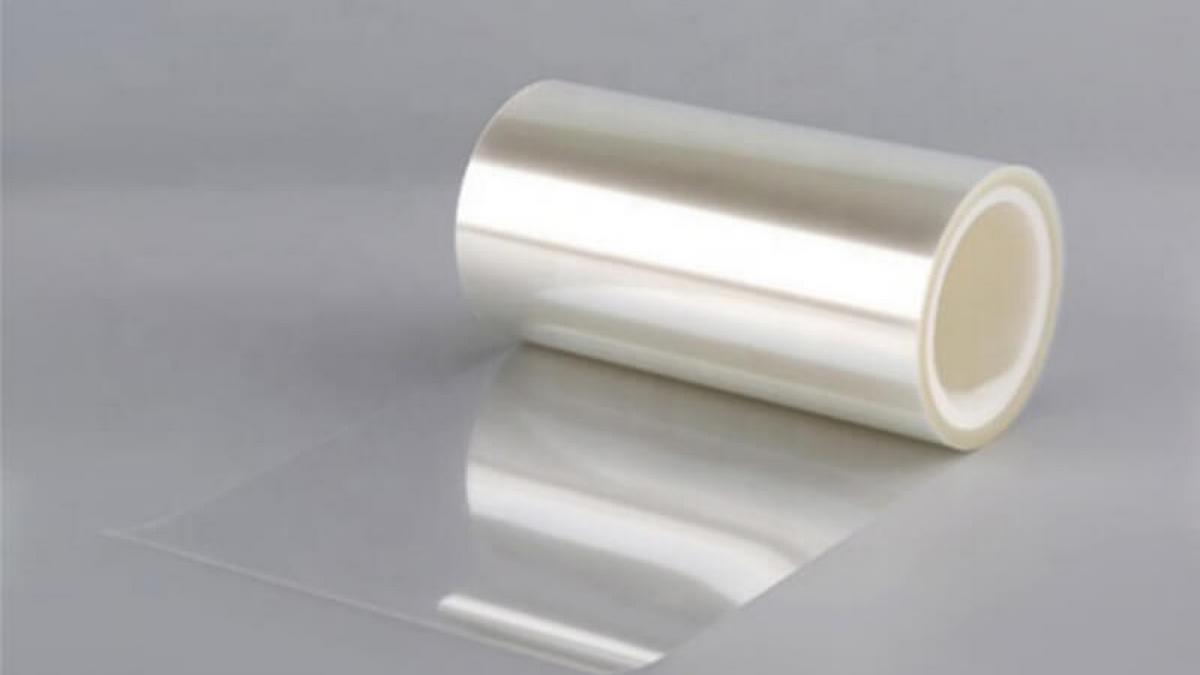
    Traditional foil uses a PET film as a carrier. Carrier-free technology employs precision roll-coating and transfer methods to apply the metallic layer directly onto the substrate, eliminating plastic bases and film waste. This significantly reduces production waste and lowers carbon emissions.

Digital Foil Stamping

    Digital foil stamping utilizes laser technology, digital print heads, or thermal transfer methods to replace traditional dies and high-temperature stamping. This not only saves materials but also avoids plate-making waste, shortens lead times, and enables efficient customization for small-batch production.

Recyclable and Detachable Design

Green foil stamping focuses on structures that are easy to recycle and do not hinder material separation, such as:

  • Using water-soluble adhesives that allow metallic layers to separate from paper substrates
  • Minimizing foil coverage to ensure the print remains recyclable as paper
  • Applying PVC-free and plasticizer-free foils to enhance compatibility with recycling systems

Bio-Based Foil Materials

    Material innovation is driving the use of plant-based polymers or biodegradable films in foil stamping, replacing traditional petroleum-based substrates. These new materials meet low-carbon design standards while maintaining visual appeal and environmental friendliness.

Green Printing Is No Longer an Option—It’s the Inevitable Path Forward

The green revolution in the printing industry is no longer merely a matter of technological upgrades; it has become a core strategy tied to brand reputation and market survival. Companies that proactively adopt eco-friendly inks, recycled paper, carbon footprint management, and energy-efficient automation will stand out in the era of the green economy, winning the favor of global brands and sustainability-conscious consumers.


Published by Aug 15, 2025 Source:Sanger

Further reading

You might also be interested in ...

Headline
Knowledge
How Patent Screws Enhance the Long-Term Durability of Exterior Walls and Roof Systems
In today’s construction industry, the durability of exterior walls and roof assemblies depends not only on design or materials but also on the Patent Screws that secure them. These fasteners endure constant exposure to moisture, UV light, and temperature changes. Traditional screws often fail under these conditions, causing corrosion, leaks, or costly maintenance. This article explores how Patent Screws, with their patented coatings and sealing systems, help engineers and procurement professionals achieve long-term reliability in demanding environments.
Headline
Knowledge
Integrated Plastic Production Workflows: Recycling, Extrusion, and Beyond
In the manufacturing sector, integrated workflows for plastic production—from recycling to film extrusion, bag making, and printing—play a crucial role in enhancing efficiency and sustainability. These systems enable manufacturers to handle the full lifecycle of plastic materials, addressing environmental concerns while optimizing operational costs. As industries shift toward circular economies, understanding these processes provides valuable insights for both new entrants and established operations seeking upgrades.
Headline
Knowledge
Designing Corrosion-Resistant Plastic Magnetic Pumps: Engineering for Longevity
True corrosion resistance is achieved not by material choice alone, but by how materials are engineered into a cohesive pump structure.
Headline
Knowledge
How to Choose the Right Blow Molding Machine: A Practical Buyer’s Guide
In the competitive world of polymer container manufacturing, choosing the right blow molding machine is a strategic decision. A poorly selected machine can lead to inefficiencies, excessive costs, or frequent downtime. In this guide, we present a neutral, buyer-oriented roadmap to help procurement engineers, plant owners, and OEM decision-makers evaluate and select blow molding equipment that truly matches their production needs.
Headline
Knowledge
A Metalworker's Guide to Sawing High-Performance Aluminum Alloys
On the shop floor, the rise of electric vehicles (EVs) and next-generation aircraft means one thing: you're cutting more aluminum than ever before. While this material offers fantastic strength-to-weight properties, it brings a unique set of headaches—gummy build-up, stringy chips, and a tendency to work-harden.
Headline
Knowledge
How Magnetic Drive Pumps Enhance Chemical Reliability in the Evolving Printed Circuit Board (PCB) Industry
The global Printed Circuit Board (PCB) industry is undergoing rapid transformation, fueled by technological upgrades, supply chain restructuring, and rising demand from high-performance electronics. With the market expected to grow from USD 80.3 billion in 2024 to USD 96.5 billion by 2029, manufacturers must focus on improving production stability, chemical reliability, and environmental compliance to stay competitive.
Headline
Knowledge
How to Choose the Right Ball Bearing Drawer Slide: Light, Medium, or Heavy Duty?
Choosing the right Ball Bearing Drawer Slide is essential for smooth operation, reliable load support, and long-lasting performance.
Headline
Knowledge
Stop the Stress: 5 Non-Negotiable Questions to Ask Your Bubble Tea Ingredient Supplier Today
Opening a bubble tea shop is exciting, but the reality is built on a complex, global supply chain.
Headline
Knowledge
Exploring the Pros and Cons of Seal-less Magnetic Drive Pumps in Industrial Use
Industrial process engineers are increasingly adopting seal-less magnetic drive pumps to enhance system safety and reliability. Unlike traditional pumps that rely on mechanical seals, magnetic drive pumps offer a fully enclosed structure that eliminates leakage risks—a major advantage when dealing with corrosive or toxic liquids.
Headline
Knowledge
H-Beams and I-Beams: Modern Cutting Methods for Structural Steel
In structural engineering projects such as bridges, high-rise buildings, and industrial facilities, the accurate cutting of H-beams and I-beams is vital for ensuring safety and structural integrity. Fabricators utilize a variety of cutting methods to meet project demands, including laser cutting, plasma cutting, water jet cutting, and large band saws.
Headline
Knowledge
Essential for Precision Machining: A Complete Guide to Tungsten Carbide Center Drills
In modern manufacturing, precision is the core standard by which product quality and performance are measured. From aerospace components to medical devices, even a minor deviation can lead to serious consequences. When it comes to precision drilling, a critical challenge is ensuring that a drill bit can be accurately positioned at the start of a cut while maintaining stability during high-intensity operations. The tungsten carbide center drill is the professional tool engineered specifically to solve this problem.
Headline
Knowledge
From Cavitation Effect to Industrial Applications: The Secrets of Ultrasonic Cleaning
When your glasses, tableware, or electronic components are stained with stubborn dirt, what can you do? Traditional methods often require vigorous scrubbing or even harsh chemical solvents, which are not environmentally friendly and may scratch the item. At this moment, ultrasonic cleaning acts like an “invisible little helper”, reaching deep into grooves and gaps to gently yet effectively remove contaminants.
Agree