
Trend

Smart manufacturing utilizes advanced manufacturing technology and provides solutions through AI, the Internet of Things, big data, cloud, edge computing, and other technologies to substitute the production process with an intelligent manufacturing model and customize products according to customer needs.
2022-04-12 13:09:50

From cars to computers, coffee machines to children’s toys, almost everything we use on an everyday basis is produced by manufacturers. So manufacturing is often described as a key building block of society. Manufacturing has evolved over the centuries, from human-centered methods to machine-reliant assembly lines to the highly automated factories we’re beginning to see more of today. As industry continues to evolve, numerous trends are combining to transform manufacturing. These quickly developing new trends have emerged so fast that they have been referred to as “Industry 4.0.”
2022-04-12 10:13:22

Through the assistance and support of the service industry, we can add value to the manufacturing industry, enhance the international competitiveness of the manufacturing industry, and create greater comparative advantages and profit space.
2022-04-08 14:18:09

In the next 10 years, the global auto industry will face the most significant change in history, with electric vehicles replacing internal combustion engine vehicles.
2022-04-08 13:04:14
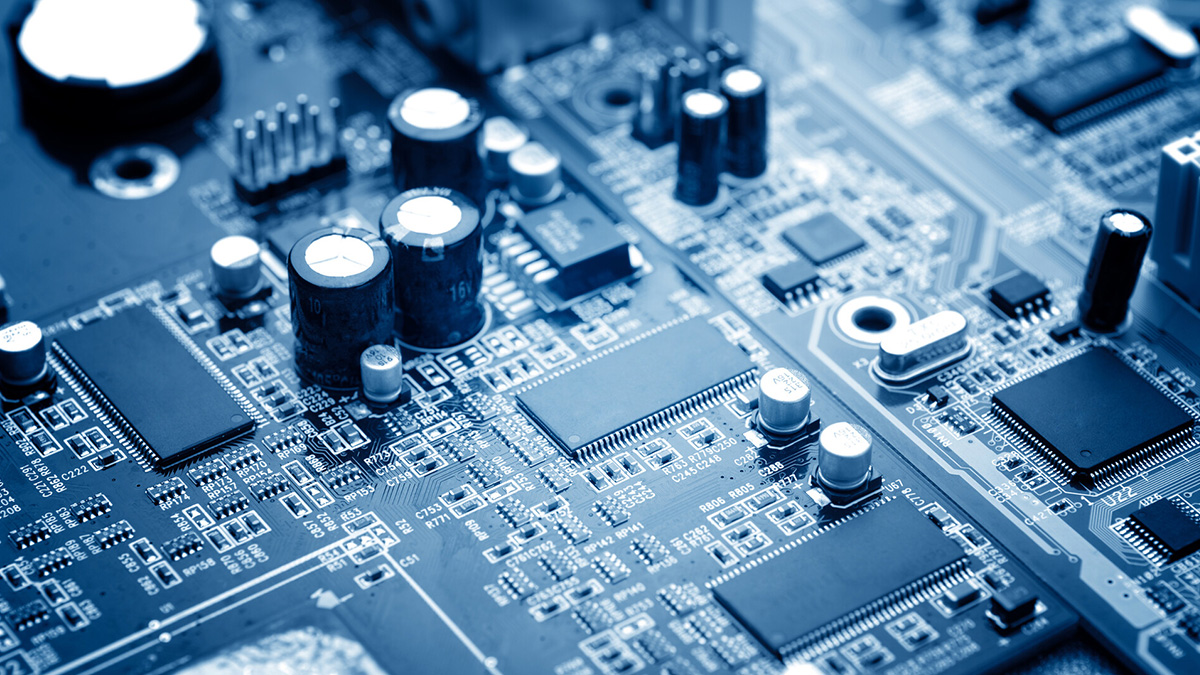
Governments are actively promoting the development of regional semiconductor supply chains. AI combines emerging technologies and applications such as the Internet of Things, automotive electronics, and compound semiconductors to drive the growth momentum of the semiconductor industry.
2022-04-01 16:42:17
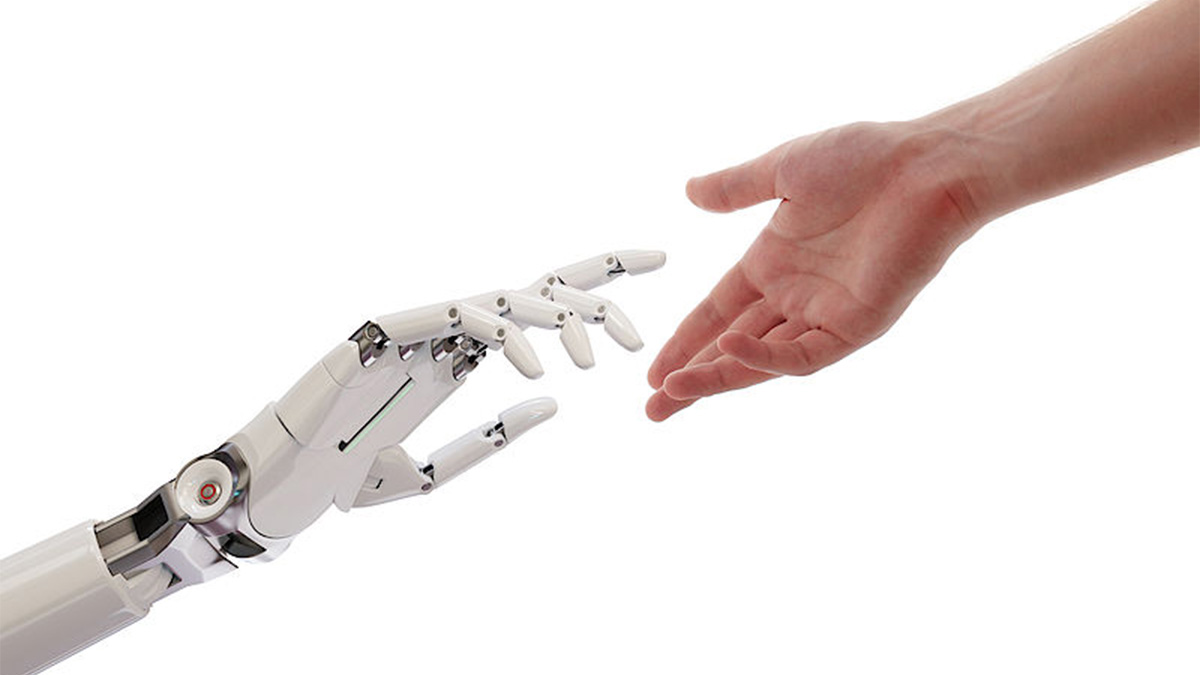
With the reduction of the labor force and the rise of labor costs in emerging countries such as China and other Southeast Asian countries, production lines are increasing their reliance on industrial robots for processing or assembly processes. With the development of technology, the environment in which robots and laborers work together will become more common, and safety issues will become more complex.
2022-03-31 08:58:15

The effectiveness of health care systems is highly dependent on the use of advanced, cutting-edge solutions. With increased public interest, involvement, and funding, the health care industry has become more and more open to new technologies. The use of Augmented Reality (AR) & Virtual Reality (VR) in healthcare seems to be a natural fit. These technologies offer viable solutions to many of the challenges facing health care systems, including numerous diverse opportunities for implementation in areas such as general diagnostics and medical training.
2022-03-30 13:44:49

While fitness tech has been one of the fastest-growing sectors in the world since 2016, the pandemic might just have triggered the sharpest growth in the industry yet. Digital fitness trends will shape the next decade. Fitness providers were also beginning to identify the demand for virtual training and recognize the potential of online services which are giving rise to an era of technology-driven fitness.
2022-03-29 16:08:02
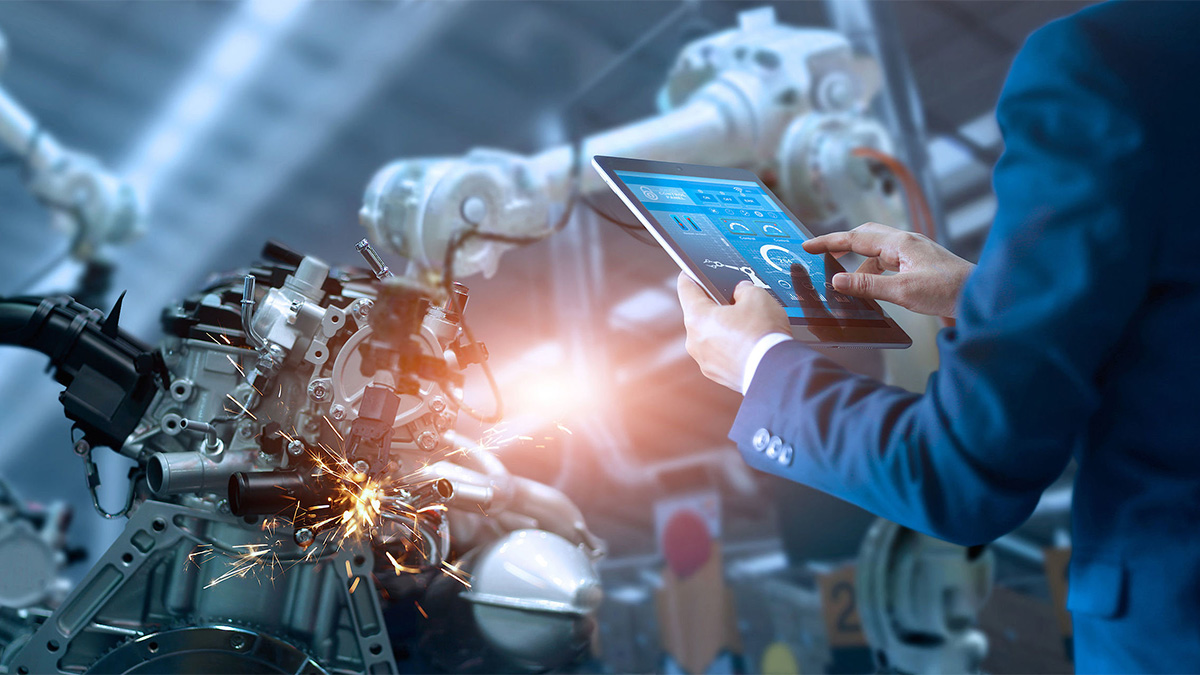
Technology supports and drives innovation. Technological advancements allow manufacturers to create higher quality goods, increase production speeds, lower expenses, and realize more efficient operations to become more competitive.
2022-03-24 14:44:13
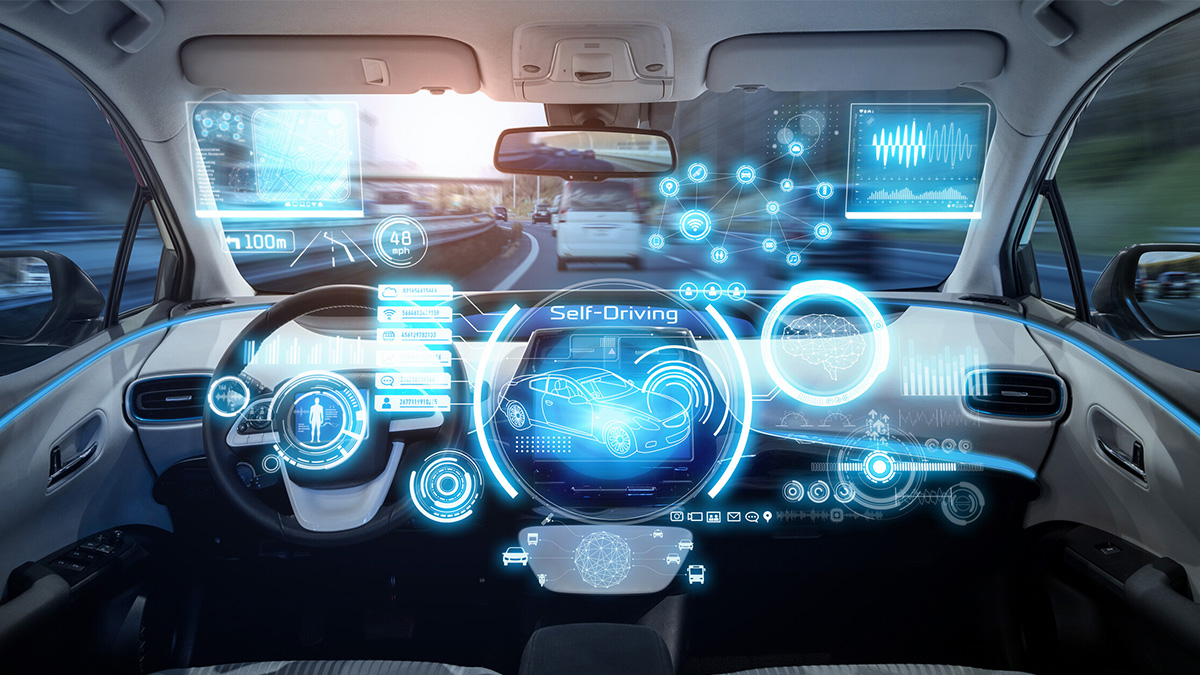
Through machine learning and neural networks, AI technologies power self-driving car systems that can drive autonomously. A self-driving car is a vehicle that uses a combination of sensors, cameras, radar and artificial intelligence (AI) to travel between destinations without a human operator. To qualify as fully autonomous, a vehicle must be able to navigate without human intervention to a predetermined destination over roads that have not been adapted for its use.
2022-03-23 15:25:11
Hot Topic
Agree