IMTS 2026 explores AI machining, automation, and precision milling trends shaping future manufacturing.
The manufacturing industry is entering a new stage of transformation driven by automation, artificial intelligence, digital connectivity, and the continuous demand for higher machining accuracy. As manufacturers worldwide evaluate new production technologies, IMTS 2026 will provide an important platform to understand how machine tools are evolving to support future manufacturing needs.
The International Manufacturing Technology Show (IMTS) will take place from September 14–19, 2026, at McCormick Place in Chicago. Recognized as one of the most influential manufacturing technology exhibitions in North America, IMTS brings together machine tool manufacturers, automation providers, software developers, and industrial users to explore the latest advancements in production technology.
Among the many technologies presented at IMTS, precision milling remains a fundamental manufacturing process. From aerospace components and medical devices to automotive parts and industrial equipment, manufacturers continue to rely on advanced milling solutions to achieve tighter tolerances, improved surface quality, and greater production efficiency.
This article explores the major trends shaping IMTS 2026 and explains what manufacturers should consider when evaluating precision milling technologies.
IMTS 2026: A Look at the Future of Manufacturing Technology
IMTS has traditionally served as more than an equipment exhibition. It represents a global meeting point where manufacturers evaluate solutions to address real production challenges, including labor shortages, increasing customization requirements, supply chain changes, and growing quality expectations.
In recent years, manufacturers have shifted their focus from purchasing individual machines toward building integrated production systems. Modern machining solutions increasingly combine CNC equipment, automation, software, data analytics, and intelligent manufacturing technologies.
For companies planning future investments, IMTS provides an opportunity to understand not only what machines can do today, but also how manufacturing strategies are changing for the next generation of production.
Four Key Manufacturing Trends at IMTS 2026
1. AI-Assisted Machining and Intelligent Production
Artificial intelligence is becoming increasingly practical in manufacturing environments. Instead of replacing traditional machining expertise, AI technologies are being applied to improve decision-making and optimize production processes.
Examples include:
- AI-assisted CNC programming
- Adaptive machining parameters
- Tool wear monitoring
- Predictive maintenance
- Automated process optimization
These technologies help manufacturers reduce setup time, improve consistency, and minimize production interruptions. For companies facing skilled labor shortages, intelligent machining systems provide new opportunities to maintain productivity while reducing operational challenges.
2. Automation for Flexible Manufacturing
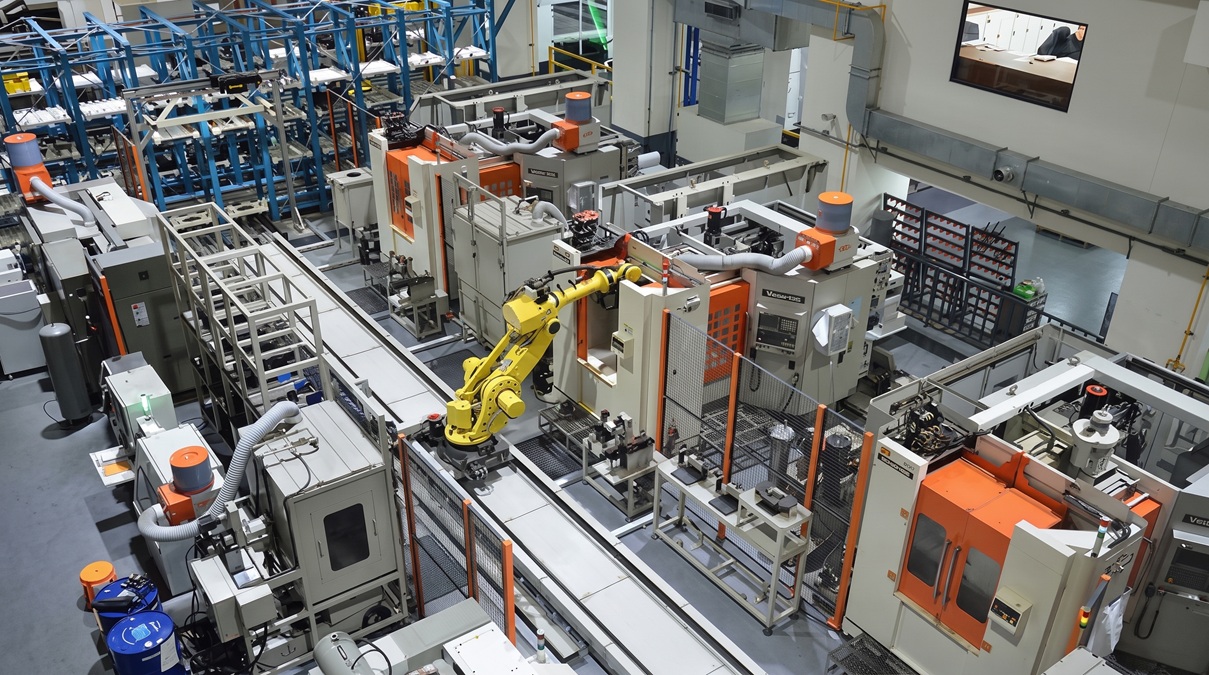
Automation continues to expand beyond high-volume production. While robotic systems have long been used in automotive manufacturing, more job shops and contract manufacturers are adopting automation to improve flexibility.
Modern machining environments increasingly integrate:
- Robotic loading and unloading
- Automatic pallet systems
- Tool management systems
- Flexible manufacturing cells
This trend is particularly important for manufacturers producing customized components or small-to-medium production batches, where efficiency depends on minimizing downtime and improving machine utilization.
3. Connected Manufacturing and Digital Integration
Smart manufacturing requires more than advanced hardware. The ability to collect, analyze, and utilize production data has become a critical competitive advantage.
Machine connectivity allows manufacturers to monitor:
- Equipment performance
- Production efficiency
- Tool conditions
- Maintenance requirements
- Production scheduling
Through integration with factory management systems, CNC machines can become part of a connected manufacturing ecosystem rather than operating as isolated production units.
4. Higher Precision and Sustainable Machining
Although digital technologies continue to attract attention, machining fundamentals remain essential. Industries such as aerospace, semiconductor equipment, medical manufacturing, and precision tooling continue to demand higher accuracy and reliability.
Manufacturers are also placing greater emphasis on sustainable production through:
- Energy-efficient machine designs
- Improved cutting strategies
- Longer tool life
- Reduced material waste
- Optimized coolant usage
Future machining solutions must balance precision, productivity, and environmental responsibility.
How Buyers Should Evaluate Milling Machines at IMTS 2026
With hundreds of technologies available at a major manufacturing exhibition, buyers need to evaluate machines based on long-term production requirements rather than individual specifications.
Important factors include:
- Machine Rigidity and Accuracy: A stable machine structure is essential for maintaining precision during heavy cutting operations and long machining cycles.
- Automation Compatibility: Buyers should consider whether machining equipment can integrate with robots, pallet systems, and factory automation solutions.
- Software and CNC Capabilities: Modern CNC systems influence programming efficiency, production monitoring, and future digital integration.
- Application Experience and Support: Beyond machine specifications, manufacturers should evaluate supplier expertise, technical support, and experience in specific industries.
A suitable milling machine is not only a production asset but also a long-term manufacturing investment.
Precision Milling Solutions Beyond IMTS
While IMTS provides an opportunity to explore global manufacturing technologies, many companies continue comparing machine tool suppliers after the exhibition when making purchasing decisions.
Taiwan-based machine tool manufacturer Chevalier is one example of a supplier offering a broad range of milling solutions for industrial applications. Its product portfolio includes vertical machining centers, bridge-type machining centers, double-column machining centers, gantry milling machines, and conventional milling machines.
These machine configurations address many of the production requirements highlighted at IMTS, including precision machining, structural rigidity, automation readiness, and flexible manufacturing capabilities.
For manufacturers evaluating milling solutions, reviewing different machine configurations and supplier capabilities remains an important step in selecting equipment that matches future production goals.
Looking Ahead: IMTS 2026 and the Next Generation of Manufacturing
IMTS 2026 reflects a broader transformation taking place across the global manufacturing industry. The future of machining will not be defined by machine performance alone, but by how effectively equipment, software, automation, and human expertise work together.
For manufacturers investing in new production capabilities, understanding these trends is essential. Whether exploring advanced CNC machining centers, automation solutions, or precision milling technologies, IMTS remains a valuable opportunity to identify the innovations shaping the future of manufacturing.
As manufacturing continues moving toward smarter, more flexible, and highly connected production environments, precision milling will remain a critical technology supporting global industrial development.