
Trend
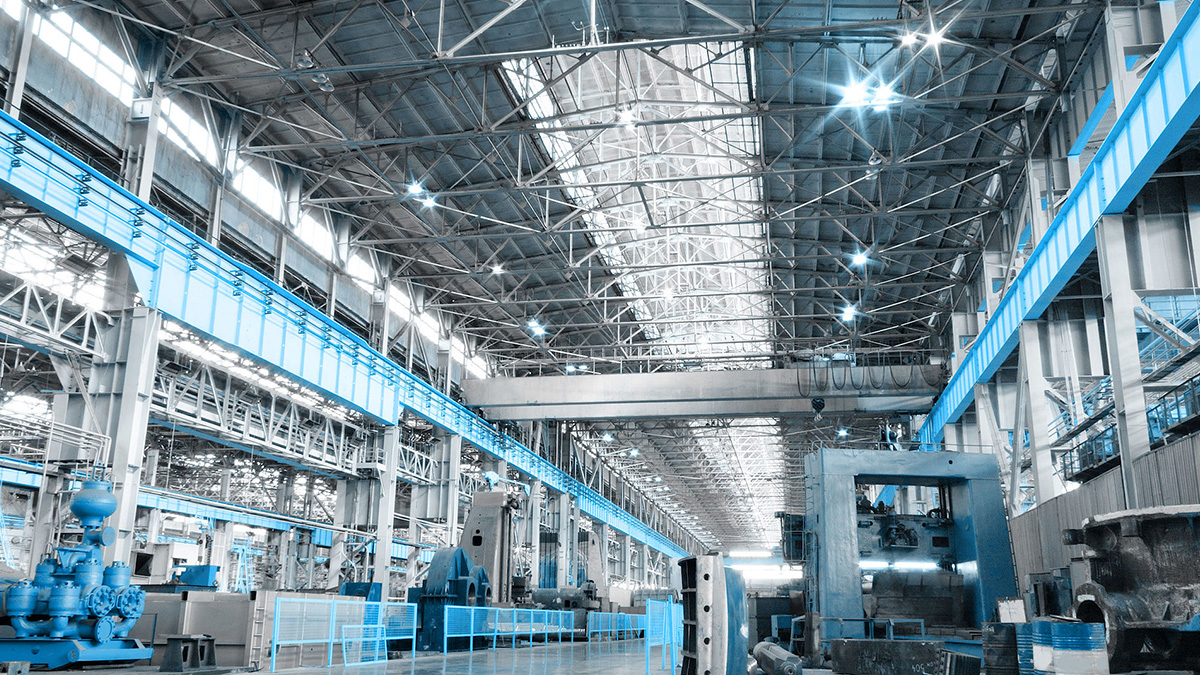
Wisdom Manufacturing (WM) is the use of advanced manufacturing technology and new-generation information technologies such as the Internet of Things, big data, cloud computing, artificial intelligence (AI), etc., to highly customize every link of the production process and use advanced manufacturing models to adapt to rapidly changing external market demands.
2022-02-08 10:27:22
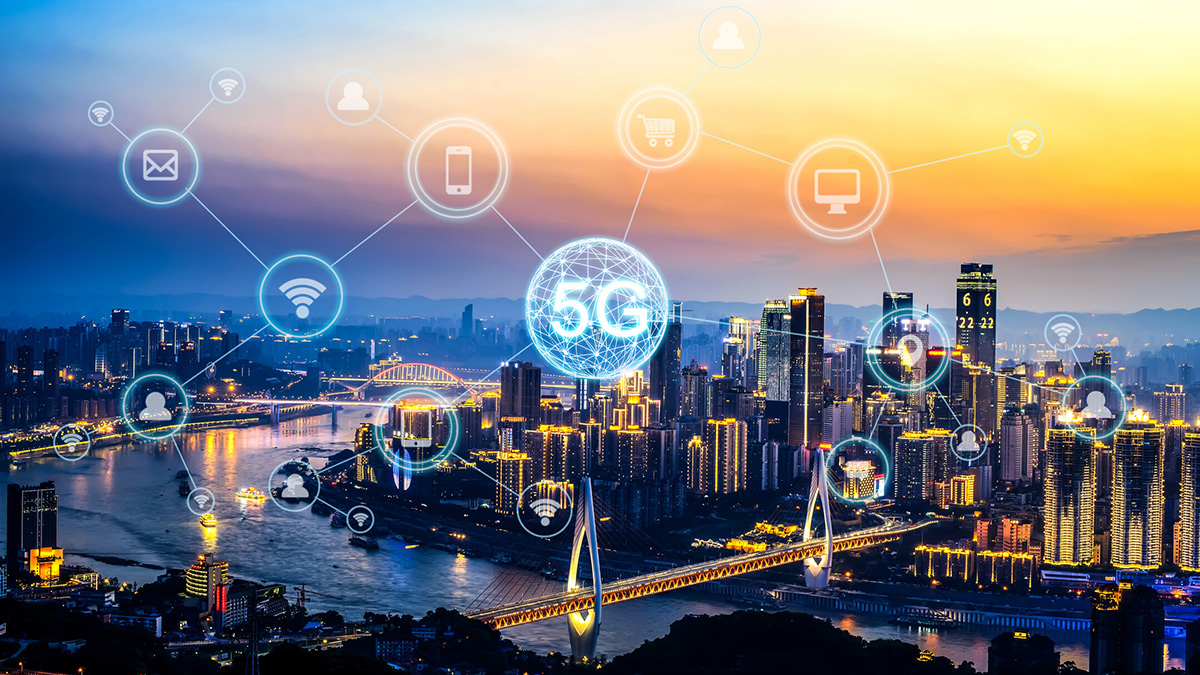
To meet the innovative application needs of the next generation, while ensuring the best user experience and energy efficiency, MediaTek pointed out today that 6G will enable ubiquitous global network connectivity, and 6G data transmission rates will increase to 10 to 100 times that of 5G's, giving ultra-low latency that will match the requirements of advanced applications.
2022-01-26 14:52:17
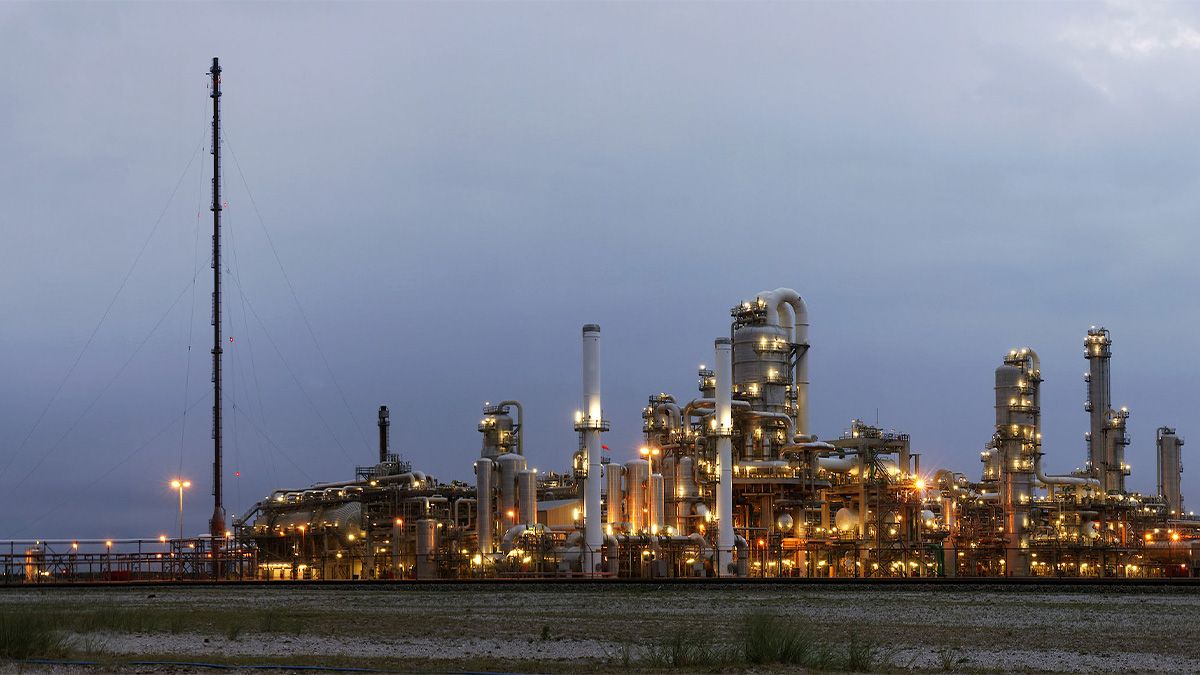
In recent years, advanced countries have carried out power grid upgrade plans. To promote energy conservation and carbon reduction policies, Taiwan has advanced the Automated Metering Infrastructure (AMI) as one of its national energy conservation and carbon reduction plans, with 4G/5G and other communication industries included in the plan. The development and integration of smart grid applications and 5G communication technology will be important industrial advances worth paying attention to.
2022-01-26 10:07:01

The development of "New Retail" through the advancement of information technology and mobile networks. Consumer demand is not only accelerating the transformation of the retail industry, it is a key challenge retailers will need to face.
2022-01-19 10:24:32

After the outbreak of the global epidemic, people stopped going out to shop, traditional retail stores were forced to transform, and the e-commerce market experienced explosive growth. Although vaccinations have gradually become popular and society is slowly opening back up, everyone has already developed the habit of online shopping. The epidemic has accelerated the phenomenon of digital transformation. What will be the digital economic trend of retail in the future? What other innovative technologies are the key to transformation?
2022-01-18 16:52:11

Developments in medical technology are increasing rapidly, and are no longer limited to drugs or medical equipment. Artificial intelligence, 3D printing technology, virtual reality (VR), and big data, which once only appeared in science fiction or movies, are now being used to treat or prevent diseases, leading medical technology into a new era.
2022-01-18 13:40:04

With the advancement and development of medical technology (such as the use of new drugs, new surgical procedures, the use of new treatments, genetic screening, etc.), many severe or critical illnesses can be alleviated or cured, high-risk surgeries can be made less terrifyingly, and genetic diseases that were previously undetectable can be screened in advance and properly dealt with.
2022-01-17 14:53:41

The concept of the Metaverse is to use immersive technology to create a second "virtual parallel time and space" in the physical world. People will be able to enter a new virtual world where they can work, socialize and play through virtual identities.
2022-01-13 17:09:31

The Metaverse is a new third wave of industry trends that will become more and more important over the next 10 to 20 years. At the singularity moment of the metaverse, the point in time at which technological growth becomes uncontrollable and irreversible, digital assets will be more valuable than physical assets.
2022-01-13 16:57:01

The Electronic Manufacturing Service (EMS) industry is moving towards advanced manufacturing and improving supply chain resilience management models. Actively enhancing the resilience of manufacturing and global supply chains will create a new era of manufacturing in Taiwan.
2022-01-13 15:27:42
Hot Topic
Agree