Industry 4.0 Drives Global Industry Market Toward Automation Industrial
Market News

Industry 4.0 Drives Global Industry Market Toward Automation Industrial

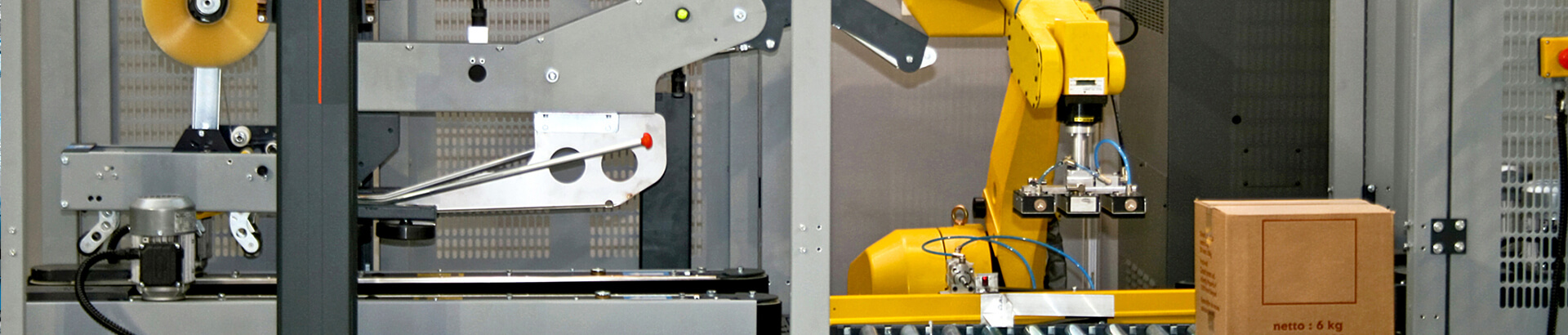
Nowadays, the traditional industry combines the technology of the Internet of Things, towards the innovation of Industry 4.0 and the development of intelligent manufacturing.
Published: Mar 24, 2020
Industry 4.0 Drives Global Industry Market Toward Automation Industrial

The global industrial automation market is expected to reach $32.93 billion by 2024. The automation of the automotive industry is expected to be one of the major contributors to the global industrial market.

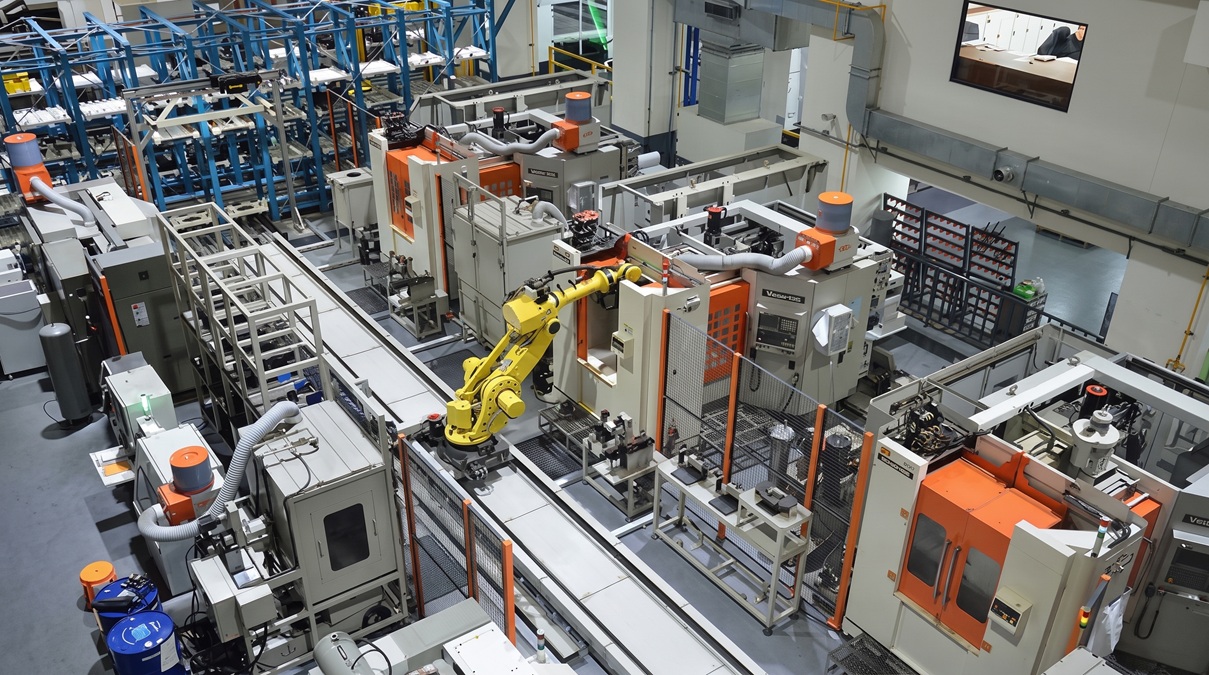
Industry 4.0 provides a new impetus and operating model for the manufacturing industry, transforming industries in ways never before possible. In fact, one of the core parts of this new concept of Industry 4.0 is automated manufacturing. According to a report by Zion Market Research, it is estimated that by 2024, the global industrial automation market will reach $321.93 billion. The report further adds that by the end of 2024, the market is expected to generate approximately $32.93 billion in revenue, with a compound annual growth rate of approximately 6.5% between 2018 and 2024. This is not surprising, as almost all industries are now using automation extensively in their processes to increase productivity, maintain high quality, flexibility, information accuracy, low cost and security, all of which are advantages of the automation market.

Automation of the Automotive Industry

Whether it is using smart solutions or using IIoT (Industrial Internet of Things), the automotive industry has long been dominated by automation. Many well-known automakers such as Tesla, Volkswagen, BMW, and Toyota are already using a range of automation technologies. Some notable automation solutions used in the automotive sector include cognitive computing in cobots and IoT connected cars.

What is Cobots Robots?

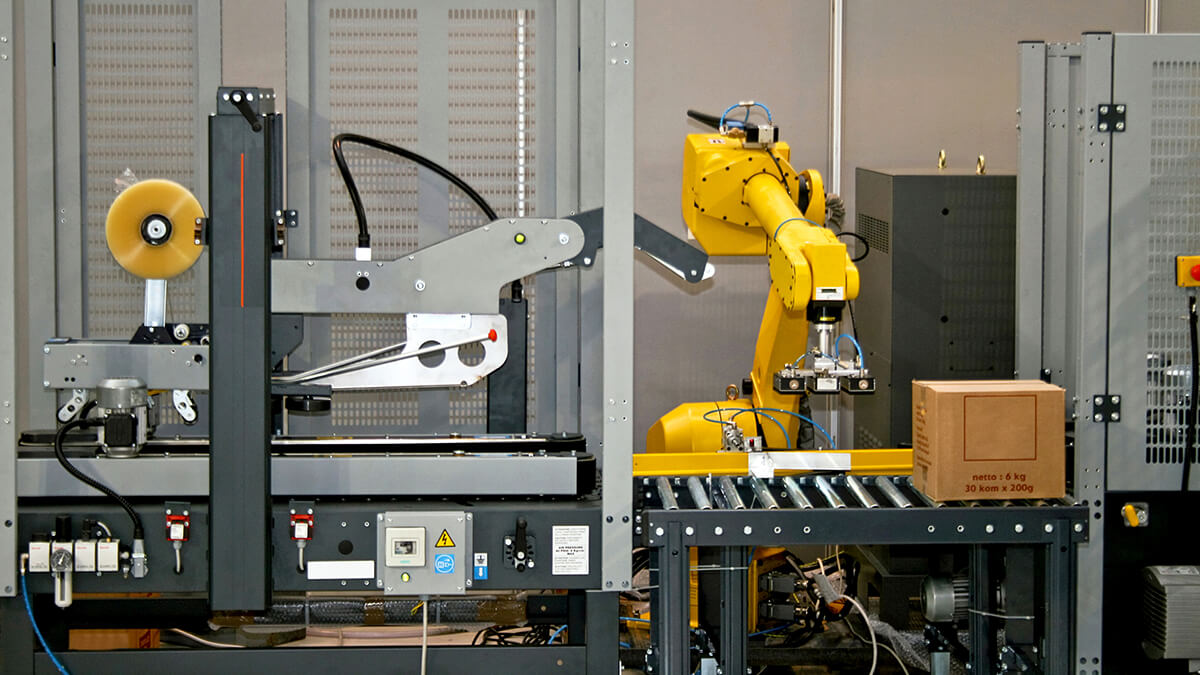
These robots work on machine learning and work independently without human intervention, light weight and portability. Cobots robots help to produce high quality products with the highest precision. This will be one of the trends in the future development of industrial automation.

Cognitive Computing in IoT Networked Connected Cars
Cognitive computing is an AI-based platform that leverages concepts such as machine learning, human-computer interaction, and human language processing. German car-maker BMW is exploring the idea of ​​using cognitive computing and the Internet of Things to create autonomous cars. These cars are expected to communicate with each other while recognizing the driving patterns of their human drivers in emotional situations. If successfully tested, these self-driving cars will become an advanced version of driver-less cars.

Published by Mar 24, 2020 Source :maschinenmarkt, maschinenmarkt

Further reading

You might also be interested in ...

Headline
Market News
Airport Drone Security Moves into the Low-Altitude Layer: What XPONENTIAL Europe 2027 Reveals About the Autonomy Supply Chain
From Counter-UAS and airspace awareness to Taiwan-based drone OEM assembly, XPONENTIAL Europe 2027 highlights the integrated technology and manufacturing ecosystem shaping the future of airport security.
Headline
Market News
OSHA vs. Global Forklift Standards: A Practical Compliance Guide for International Operations and Dealers
One Forklift Truck, Different Compliance Requirements Across Markets
Headline
Market News
Why FDA NDI Documentation Matters for Lion’s Mane Mycelium Buyers
What New Bellus’s Heri-Mycelium HE12 and NDIN No. 1422 mean for ingredient consistency, safety documentation, and supplement sourcing
Headline
Market News
IMTS 2026 and the Machine Tool Industry’s Next Shift: From CNC Equipment to Resilient, AI-Ready Production
How AI, Automation, and Integrated Production Solutions Are Reshaping Manufacturing from 2026 to 2028
Headline
Market News
Electronic Target Systems for Commercial Shooting Ranges: A Practical ROI Guide to Faster Throughput and Repeat Visits
The business case is simple: when shooters spend less time waiting and more time receiving useful feedback, a range can improve both capacity and customer loyalty.
Headline
Market News
How to Control Ocean Freight Costs When Rates Change: A Practical Guide to Capacity, CBM, Contracts, and Data
Lower Freight Risk by Managing Total Ocean Shipping Cost, Not Just the Quoted Rate
Headline
Market News
Replacement CNC Lathe Chucks for the MRO Market: A Distributor’s Sourcing and Compatibility Guide
A Replacement Chuck Is Not Just a Spare Part: It Is a Machine Compatibility Decision
Headline
Market News
The CDMO Market Continues to Grow: How Can Biotechnology Companies Strengthen Their Global Competitiveness?
Key Strategies for Biotechnology Companies to Optimize CDMO Partnerships, Strengthen Supply Chain Resilience, and Expand into Global Markets
Headline
Market News
China+1 Sourcing: Why Global Buyers Are Moving Custom Rubber Part Production to Vietnam (and How to Do It Right)
A practical guide to relocating custom molded rubber part production from China to Vietnam: the 2026 tariff landscape, Vietnam's structural advantages, a 5-step transition framework, and a supplier qualification checklist for engineers and procurement teams.
Headline
Market News
IMTS 2026 Preview: What Manufacturing Buyers Should Know About the Future of Precision Milling
IMTS 2026 explores AI machining, automation, and precision milling trends shaping future manufacturing.
Headline
Market News
Global Manufacturing Market Outlook for Q3 2026: Key Trends Reshaping B2B Supply Chains
From AI-driven production to supply chain diversification, here is what B2B buyers and procurement teams need to track through the second half of 2026.
Headline
Market News
FSC-Certified Natural Rubber Yoga Mats: A B2B Buyer’s Guide to Claims, Traceability, and Sourcing
FSC Is More Than a Label: What B2B Buyers Need to Verify Before Sourcing
Agree