The Tough Hero of the Tool World: The Secrets of Tungsten Carbide
Knowledge

The Tough Hero of the Tool World: The Secrets of Tungsten Carbide

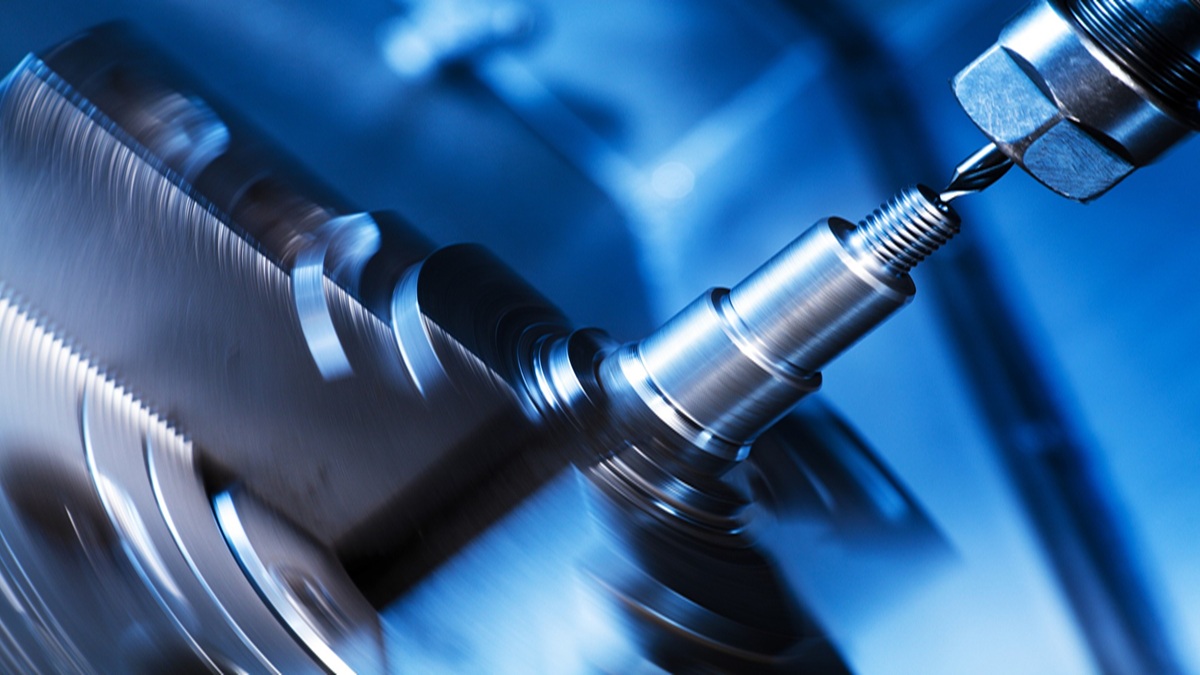
In the world of industrial cutting tools, tungsten carbide is like a superhero: extremely hard, wear-resistant, heat-tolerant, and remarkably tough, able to stay sharp without chipping during high-speed cutting and prolonged machining. From rough milling to precision engraving, its variety of tool shapes and coating technologies allow it to tackle diverse challenges. Its applications even extend beyond cutting tools to wear-resistant parts, mining bits, and even fashion accessories. Whether in automotive components, aerospace molds, or everyday aesthetics, tungsten carbide stands as a reliable powerhouse in modern manufacturing. This article will take you deep into the material’s properties, machining principles, and real-world applications.
Published: Aug 15, 2025
The Tough Hero of the Tool World: The Secrets of Tungsten Carbide

The Superhero of Steel: Enter Tungsten Carbide

A knife can serve as a kitchen tool, a life-saving surgical instrument, or an industrial cutting tool. Depending on the scenario, the knife’s shape and material vary. For industrial tools, extreme wear resistance and heat resistance are essential, which is why tungsten carbide is widely used in manufacturing. But what exactly is tungsten carbide?

In the world of cutting tools, if ordinary steel knives are like pocket knives and high-speed steel is like scissors, then tungsten carbide is the superhero of the knife world. It is a hard alloy made by combining ultra-hard tungsten carbide particles with a tough cobalt metal binder, resulting in a material that is extremely hard, wear-resistant, and resistant to cracking.

Tungsten carbide was first developed in the early 20th century to meet the industrial demand for highly efficient and durable cutting tools. It can cut through hard steel while withstanding the high temperatures and impacts of high-speed machining, preventing tools from dulling or breaking like ordinary steel knives. Its invention elevated industrial productivity and made precision machining of high-accuracy parts possible.

You can imagine it as a tough hero from a comic book: wielding a sharp blade, standing firm against any challenge. Its secret weapon is the perfect balance between the extreme hardness of tungsten carbide particles and the toughness of cobalt. This combination has made it the reigning material of choice for industrial cutting tools for decades.

A Razor-Sharp Blade: The Perfect Duo of Hardness and Wear Resistance

The most talked-about characteristics of tungsten carbide are its hardness and wear resistance. Its hardness can reach HRA 89–94, far surpassing high-speed steel or ordinary steel. This means that when cutting hard metals, the blade won’t dull quickly; even after hours or days of continuous machining, it remains sharp. In contrast, high-speed steel blades tend to dull under heavy load, requiring frequent sharpening, which increases production costs and downtime.

Wear resistance is another major advantage of tungsten carbide. During cutting, the blade experiences high-speed friction with the workpiece. If the tool lacks wear resistance, the edge wears down rapidly, compromising machining accuracy. Tungsten carbide’s wear resistance allows the tool to maintain stable cutting performance over extended periods. It’s like a superhero’s sword—no matter how many foes it faces, it stays razor-sharp.

Moreover, the combination of hardness and wear resistance makes tungsten carbide especially vital for machining high-hardness materials and precision components. Aerospace parts, automotive engine components, and precision molds all require tools that maintain accuracy under long hours of high-speed cutting. This is why tungsten carbide has become the material of choice for modern industrial cutting tools.

The Hero Under Fire: Combining High-Temperature Resistance with Toughness

During cutting, friction generates high temperatures at the tool’s edge. Ordinary steel tools soften under heat, causing cutting efficiency to drop rapidly. Tungsten carbide, however, can withstand temperatures as high as 600–800°C while retaining its hardness. This high-temperature resistance makes it ideal for high-speed cutting and large-scale production.

But hardness alone isn’t enough for a cutting tool. During machining—especially roughing or when sudden cutting forces occur—a tool also needs toughness. The cobalt binder in tungsten carbide acts like the “cartilage” of the tool, absorbing some of the impact while maintaining the blade’s hardness, preventing it from chipping or cracking. This design makes it more practical than pure ceramic tools and suitable for a wider range of machining conditions.

In essence, tungsten carbide tools are like heroes forged in fire: they withstand extreme heat and resist shocks without breaking, making them a reliable choice in modern high-efficiency manufacturing.

The Versatile Shapes of Cutting Tools: From Roughing to Precision Carving

Tungsten carbide cutting tools aren’t just hard—they’re incredibly versatile. They come in a variety of shapes: straight-edge cutters, angled cutters, ball nose cutters, end mills, and more, each designed to meet specific machining needs. During roughing operations, tools must withstand high cutting forces, requiring blades with high toughness for stable performance. In finishing processes, sharpness and wear resistance become critical to ensure dimensional accuracy and surface quality.

Modern tools are often enhanced with coating technologies, such as titanium nitride (TiN) or titanium aluminum nitride (TiAlN). These coatings reduce friction, increase wear resistance, and even extend tool life under high-temperature conditions. In essence, a cutting tool is like a shape-shifting hero: it can tackle heavy-duty tasks or perform delicate, precise carving depending on the mission.

This multifunctionality makes tungsten carbide tools indispensable in modern manufacturing, from automotive parts machining to mold engraving and precision electronic component cutting.

Tungsten Carbide Beyond Cutting Tools: From Industry to Fashion

Tungsten carbide’s prowess goes far beyond cutting tools—it wears many hats. As a wear-resistant material, it’s used in valve seats, bearings, and molds, excelling in high-friction environments. As an engineering tool, it becomes mining drill bits or tunnel boring cutter heads, performing reliably even under the harshest conditions. Remarkably, it has also entered the world of fashion, crafted into tungsten carbide rings and watch cases that are both stylish and durable.

This cross-industry versatility stems from its core strength—an exceptional combination of hardness and wear resistance. Whether on the industrial battlefield or as a stylish everyday accessory, tungsten carbide delivers. Its story shows that the value of a material lies not just in its function, but also in its adaptability.

Tungsten carbide cutting tools are more than just “hard”—they are the backbone of modern manufacturing. From high-speed cutting and precision machining to wear-resistant parts, they handle it all, earning their reputation as the tough heroes of the tool world.


Published by Aug 15, 2025

Further reading

You might also be interested in ...

Headline
Knowledge
How Material Design Affects Fitness And Rehabilitation Rubber Products
In fitness and rehabilitation products, material design has a direct effect on performance, comfort, durability, hygiene, and long-term user trust. A resistance band that stretches unevenly, a grip that becomes slippery, or a flexible component that tears too early can quickly lead to complaints, returns, and lower confidence in the product. The key challenge is not simply choosing an elastic material. It is selecting and validating a material system that can perform consistently under repeated stretching, skin contact, sweat exposure, and ongoing mechanical stress.
Headline
Knowledge
Choosing the Right Coating for Paper Cups and Food Containers
Selecting the right coating for paper cups and food containers affects far more than leak resistance. For foodservice brands, importers, product teams, and packaging decision-makers, coating choice directly shapes heat resistance, grease performance, sealing behavior, disposal options, compliance risk, and overall cost. A paper cup or food container may look similar on the outside, but the coating often determines whether it performs well in real service conditions or creates problems after launch. That is why coating specifications should be defined early rather than treated as a minor detail after size, structure, or artwork are approved.
Headline
Knowledge
Understanding Lathe Types: Differences Between Manual, Engine, and CNC
When manufacturers evaluate different lathe types, the decision usually goes beyond machine specifications alone. Choosing between a **manual lathe**, an engine lathe, and a CNC lathe can influence production flexibility, machining consistency, labor requirements, and long-term investment efficiency. For many workshops, factories, and industrial buyers, understanding these differences is essential to selecting equipment that truly fits the job. In metalworking, the wrong machine choice can create avoidable problems. A machine that is too simple may limit output, while a machine that is too advanced may increase cost without delivering enough return. That is why buyers often need a clear, practical comparison rather than a purely technical definition. This article explains the differences between manual, engine, and CNC lathes, where each one performs best, and how buyers can choose the right type based on actual production needs.
Headline
Knowledge
Biometric, RFID or Face Recognition: Which Access Controller Fits Your Site Best?
What procurement and technical teams should review when selecting an access controller for security, throughput and long-term fit.
Headline
Knowledge
What Is a Food-Grade rPET Sheet Extrusion Line and How Does It Work?
A practical look at how recycled PET bottle flakes are converted into food-grade sheet materials for thermoformed packaging and other high-value applications.
Headline
Knowledge
What Is Fuel Injector Cleaner and How Does It Work?
Why Fuel Injector Cleaner Matters
Headline
Knowledge
Stainless Steel vs. Titanium Mufflers: Which One Is Actually Worth Your Money in 2026?
If you have spent any time researching exhaust upgrades, you already know the debate: stainless steel or titanium? Both materials have earned their place in the automotive aftermarket, and both have passionate supporters. But when it comes to choosing the right exhaust muffler for your application, whether you are building a track car, upgrading a daily driver, or sourcing components for large-scale distribution, the material decision carries real consequences for performance, longevity, and cost.
Headline
Knowledge
Automatic L Sealer Machine: How It Works in Shrink Packaging
In many packaging operations, shrink wrapping looks simple until output rises, product mix expands or labor becomes harder to schedule. At that point, the sealing step often becomes the bottleneck. Inconsistent seals, slow changeovers and manual handling start affecting throughput, rework and delivery performance. That is where an automatic l sealer machine becomes relevant. It automates the film-wrapping and sealing stage before the product enters a heat tunnel, helping manufacturers standardize presentation, reduce manual touchpoints and support higher packaging volumes. For procurement teams and engineers, however, the real question is not just what the machine does. It is how to judge whether a specific system will fit the line, the product range and the supplier’s real capabilities.
Headline
Knowledge
How Comprehensive Foam Testing Protects Performance in Harsh Environments
Foam materials, particularly NBR rubber foam, are widely used across industries due to their lightweight, cushioning, and insulating properties. However, exposure to harsh environmental conditions, such as moisture, UV radiation, and fluctuating temperatures, can degrade foam performance over time. To mitigate risks and ensure long-term durability, manufacturers employ comprehensive testing methods, including spray, immersion, leak detection, ASTM C272, pressure, UV, salt spray, and compression recovery tests. These procedures provide critical data on how foam materials respond to environmental stress and help maintain product reliability.
Headline
Knowledge
Navigating Supply Chain Volatility - How to Choose a Medical Plastic Components Manufacturer for Rapid Scale-Up
The landscape of medical device manufacturing has shifted dramatically. The days of predictable, long-lead-time forecasting are fading. In their place is a market defined by volatility, rapid innovation cycles, and the urgent need for supply chain resilience. For medical device startups and established OEMs alike, the choice of a medical plastic components manufacturer is no longer just about cost—it is about speed and agility.
Headline
Knowledge
Understanding Dynamic Balance and Clamping Mechanics in Modern CNC Tool Holders
Precision machining has become increasingly dependent on the performance of the CNC machine tool holder, a component often underestimated in its influence on accuracy, surface finish, and tool life. With today’s high-speed spindles, multi-axis machining centers, and micro-tolerance production standards, the interaction between dynamic balance, runout behavior, and clamping mechanics has never been more critical. This article provides a neutral, engineering-focused analysis of these performance factors and introduces several leading global manufacturers contributing to advancements in tool-holding technology.
Headline
Knowledge
How Hydraulic Power Units (HPUs) Support Green Manufacturing and Energy Efficiency — A Technical Perspective
As manufacturers pursue energy efficiency and carbon reduction, hydraulic systems are being re-engineered to meet green manufacturing standards. Modern Hydraulic Power Units (HPUs), enabled by servo pumps and intelligent control, now deliver on-demand power with significantly lower energy loss, noise, and heat generation.
Agree