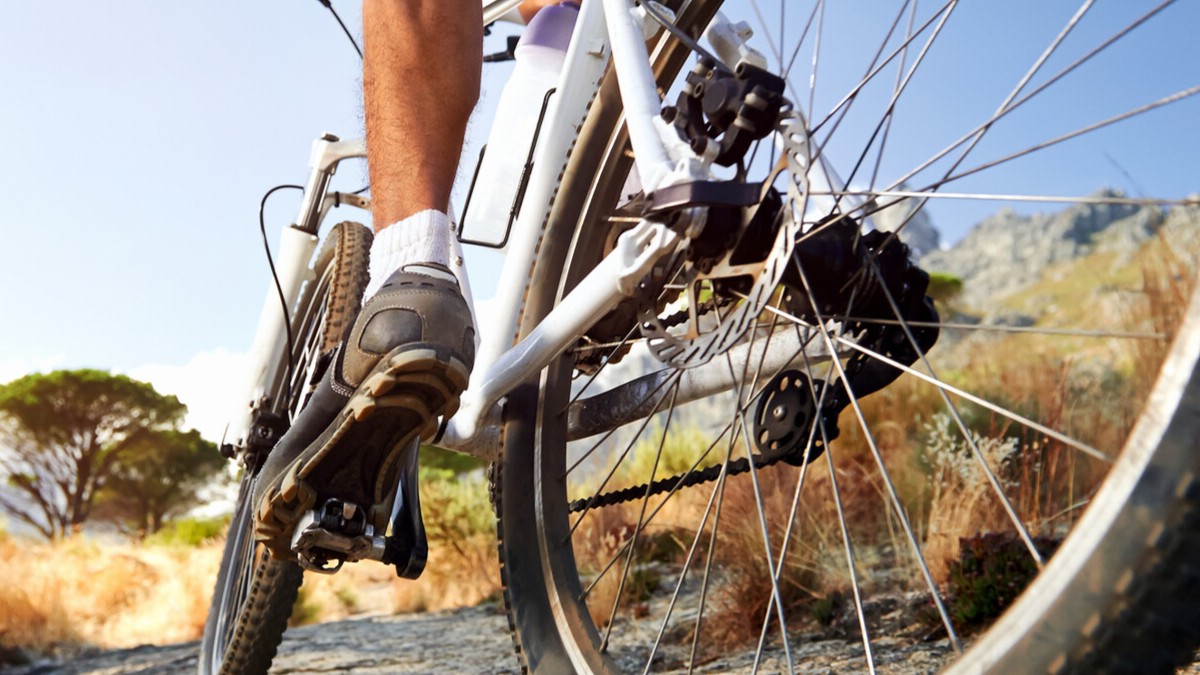
As cycling becomes more popular globally, particularly in the high-end sports bicycle sector, the demand for precision parts is steadily increasing. These components not only play a central role in a bike's performance but are also a direct reflection of the rider's experience. Many international brands are now placing a greater emphasis on personalized design and high-quality machining to meet the diverse needs of different users.
Modern Bicycle Parts Trends
According to the latest report, the global e-bike market reached USD 43.59 billion in 2023 and is projected to maintain a compound annual growth rate (CAGR) of approximately 14.6% in the future.
This trend is driving demand for high-end parts, particularly in the application of lightweight materials (such as carbon fiber and aluminum alloys) to enhance riding efficiency and battery life. At the same time, smart components (such as wireless shifting systems and smart brakes) are becoming increasingly popular.
Consequently, the overall performance of a bicycle is becoming more dependent on the supply of precision-machined, high-quality parts. For years, YCS has been committed to precision turning and CNC machining, combining automatic lathes with precision inspection equipment to provide high-quality components for the bicycle industry. These trends show that efficient production and precision manufacturing are indispensable for modern bicycle parts.
Pros and Cons of Bicycle Parts
Pros: High-quality parts lead to a superior riding experience and enhanced safety. For example, using lightweight alloys or advanced composite materials can significantly reduce bike weight, improving speed and durability.
Precision-machined parts have high interchangeability, which maintains stable performance. Furthermore, advanced manufacturing processes are often accompanied by strict quality control, ensuring product consistency. Innovative parts (such as full carbon fiber frames or high-performance hydraulic brake connectors) also create a competitive advantage for brands.
Cons: Advanced parts typically come with higher costs and require more complex technology and equipment. Some intricate designs (such as electronic shifting or hydraulic lines) may increase maintenance difficulty and after-sales service costs. Additionally, high-end materials and manufacturing processes can present challenges on the production line (e.g., higher cutting and welding technical requirements), placing greater demands on a supplier's technical capabilities.
The Importance of Bicycle Parts
Bicycle parts are the foundation of a bike's performance and user safety. The subtle design and machining quality of a part often determine the overall reliability and riding comfort.
For example, forks and shock absorbers impact shock absorption and handling stability; hydraulic connectors and brake systems are crucial for operational safety; and drivetrain bearings and gear sets are vital for transmission efficiency and durability.
Within these precision parts, components like bearings, gears, chains, and steering mechanisms endure extremely high pressure and friction. No small detail can be overlooked.
Even a slight deviation in part accuracy could lead to unstable vehicle performance or endanger the rider, which is why top-tier bicycle brands are particularly cautious when selecting their manufacturing partners.
YCS's Bicycle Parts
As a company specializing in precision machining, Yung Cheng Shun Industrial (YCS) plays a key role in the manufacturing of bicycle parts. YCS provides precision machining services for drivetrain systems, wheel sets, bearings, frame connectors, and other high-performance bicycle components.
Every part, from the design drawing to the final product, undergoes a rigorous inspection process to ensure it meets international high standards.
YCS excels at machining high-performance materials such as aluminum alloys, titanium alloys, and carbon fiber reinforced plastics. We use advanced CNC multi-functional turning-milling equipment to ensure each part's precision reaches the micron level, achieving the highest quality in processing.
YCS and International Partners
Years of technical accumulation and high-quality manufacturing capabilities have made YCS a preferred partner for many international bicycle brands. YCS collaborates with several top-tier bicycle brands, providing them with high-performance precision parts.
The demands of these brands' parts are not just for high-precision machining, but also for outstanding strength, lightweight properties, and excellent wear resistance. YCS's advantages in these areas have earned it recognition in the fiercely competitive bicycle parts market. Whether for mass production or small-batch customization, YCS can provide flexible machining solutions based on brand needs, perfectly combining high quality with rapid delivery.
Contact and Collaboration Opportunities
As the bicycle industry continues to develop rapidly, the demand for precision parts will keep rising, with increasingly stringent requirements for accuracy and quality.
With its deep technical expertise and experience in precision machining, YCS will continue to provide high-quality parts to more top-tier bicycle brands. If your brand is also seeking more efficient and precise parts solutions, do not hesitate to contact YCS, and let us work together to create an even better cycling experience.




(3796)(20260924)(原).jpg)
(4005)(20260924)(原).jpg)