
- Showing results for
- Textiles, Fabrics & Fashions
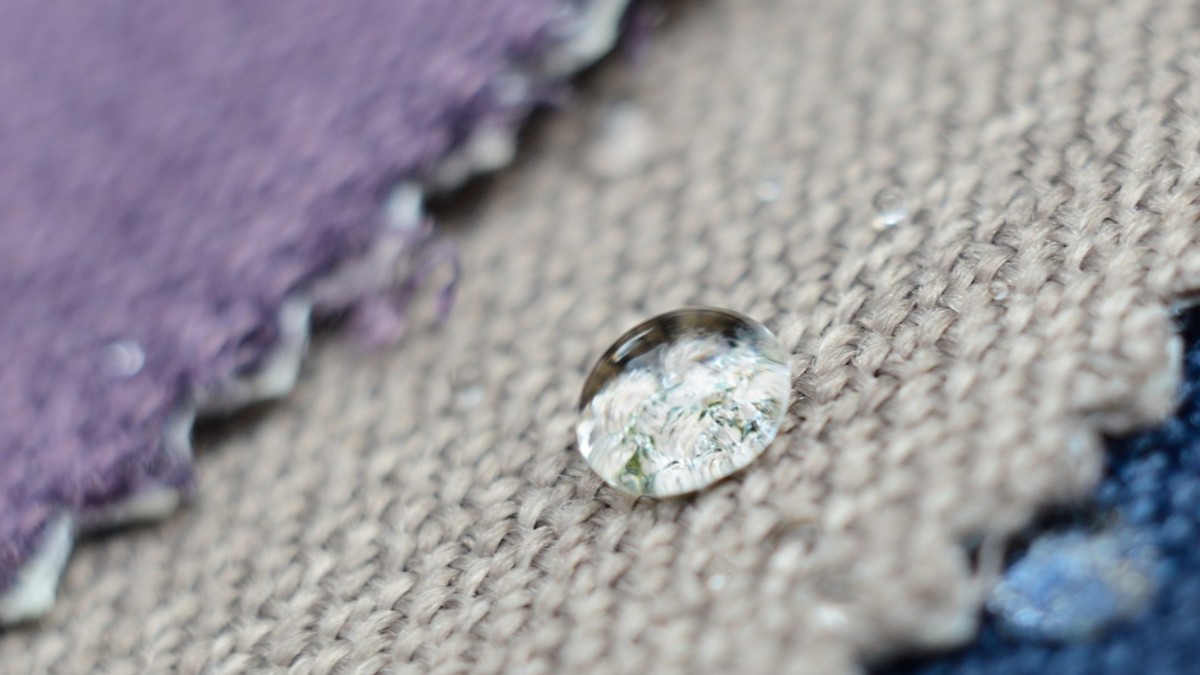
Lotus leaves after rain shed water droplets without a trace; delicate spider silk is stronger than steel. These are not coincidences but exquisite designs evolved by nature over millions of years. The textile industry is learning from this great designer—nature itself—through biomimicry, transforming natural wisdom into fabrics that perform better and are more eco-friendly.
2025-08-11 14:08:16
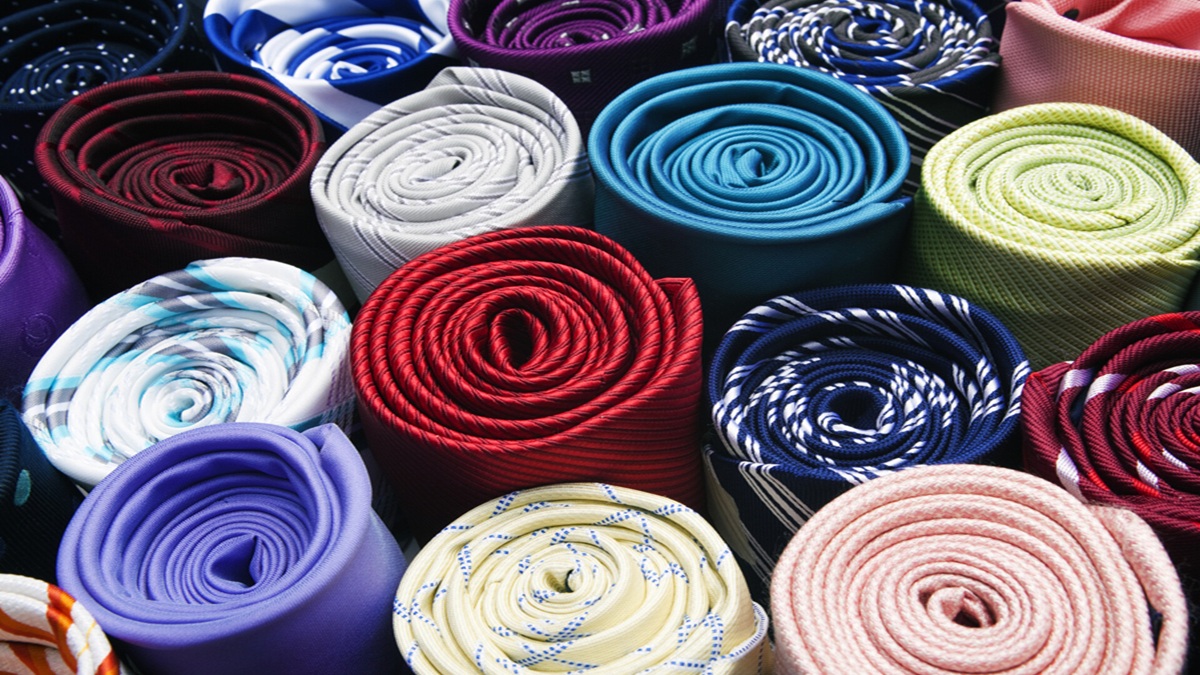
Every textile product tells a story about its fibers. Its appearance, feel, and performance are all intricately linked to the textile fibers that make it up. Understanding the physical properties (e.g., strength, elasticity) and chemical properties (e.g., moisture absorption, heat resistance) of fibers is key to grasping the core value of a textile product. This article aims to systematically dissect the secrets of natural, man-made, and innovative fibers, building a comprehensive knowledge system for readers.
2025-08-08 11:36:26
From initial fabrics to smart textiles integrated with modern technology, apparel is no longer merely for covering and decoration. Instead, it is gradually transforming into an intelligent partner capable of sensing its environment and its user. This quietly emerging textile revolution is redefining our perception and expectations of "wearable" products. This article will deeply explore the definition of smart wearables and their revolutionary aspects, analyze their cutting-edge applications in the field of health and medicine, and look forward to their future development and the challenges they face, revealing how smart textiles are reshaping our lifestyle.
2025-08-08 10:24:23
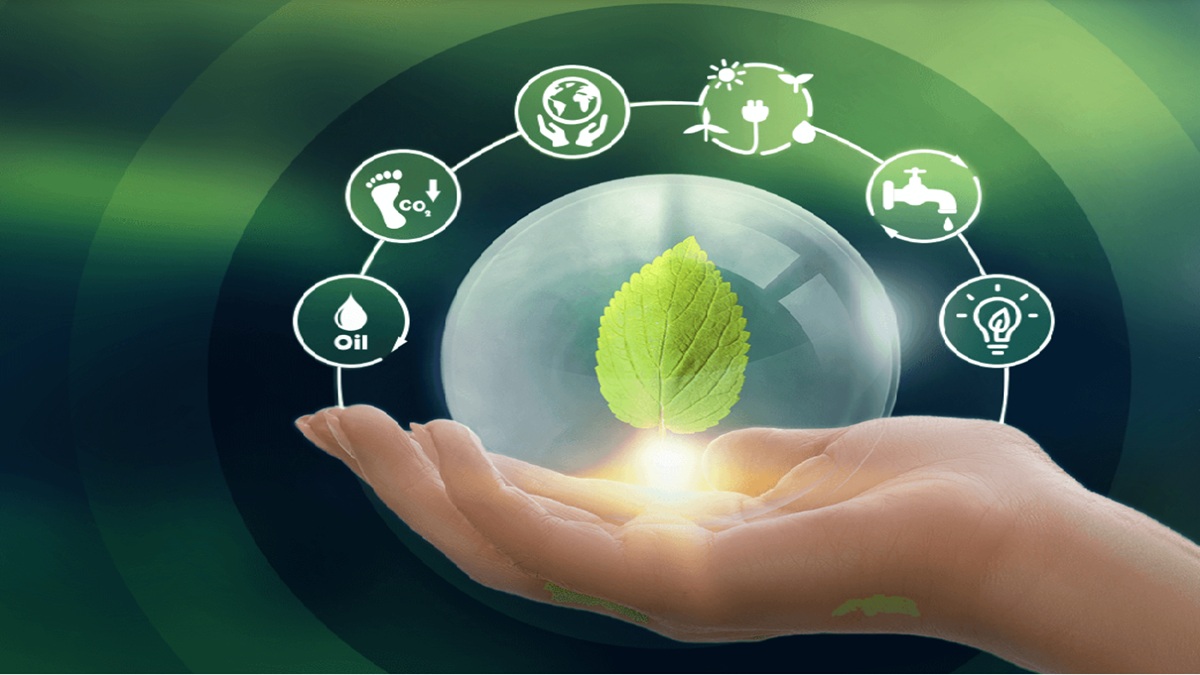
Against the backdrop of rising global awareness of environmental sustainability and continuous advancements in textile technology, the textile industry is entering a critical phase of transformation and upgrading. Acelon Chemicals & Fiber Corp., as a key driver of Taiwan's textile industry, continues to lead industry development with innovative high-performance yarn technology, while actively implementing environmental and sustainable principles. We are committed to providing textile solutions that are both high-performing and eco-friendly. The following will introduce Acelon's core advantages, product features, and applications, and look ahead to its vision of helping the industry move towards a green future.
2025-08-07 15:15:22
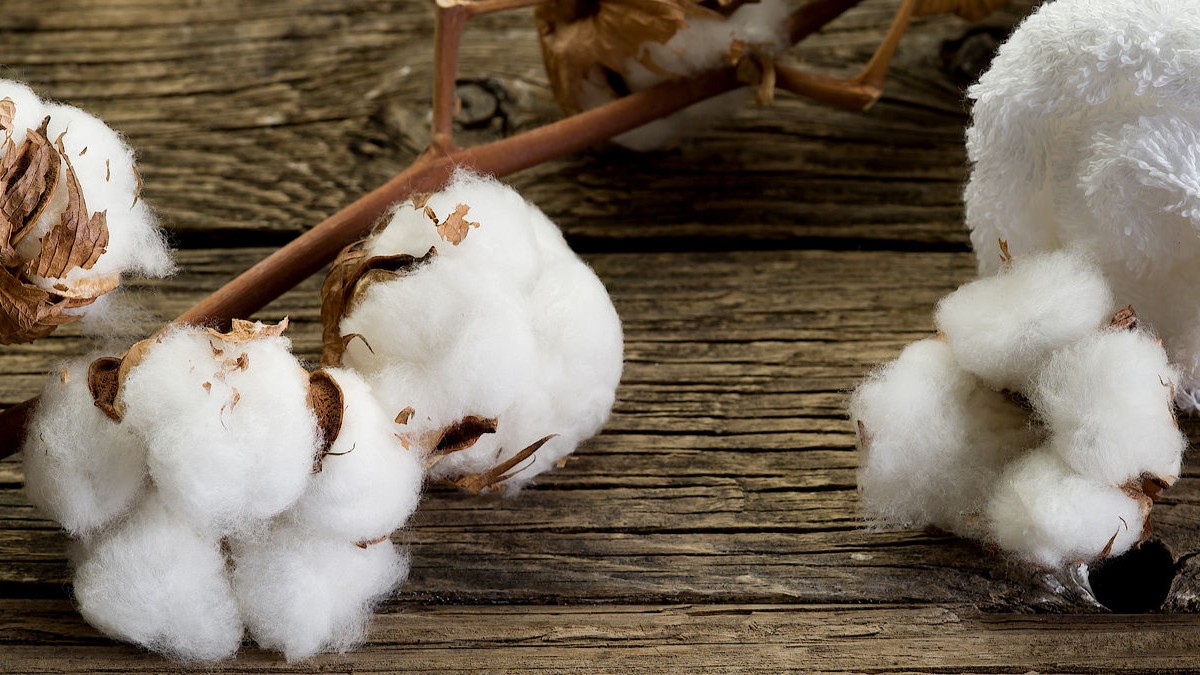
The global textile industry imposes a significant burden on the environment. According to statistics, the carbon emissions from the textile industry account for approximately 8–10% of global emissions, which is the combined total of the aviation and shipping industries. The annual water usage reaches 93 billion cubic meters, enough to supply drinking water for 5 million people for a year. The dyeing and finishing process causes about 20% of industrial wastewater pollution. Additionally, the total volume of clothing waste amounts to 92 million tons, of which 87% is incinerated or buried. Against this backdrop, the shift of the textile industry toward eco-friendly and sustainable materials has become urgent. This not only helps reduce resource consumption, wastewater, and carbon emissions, but also promotes the circular economy and supply chain transparency, ending the industry's high-consumption mode that harms the planet.
2025-08-04 12:02:49
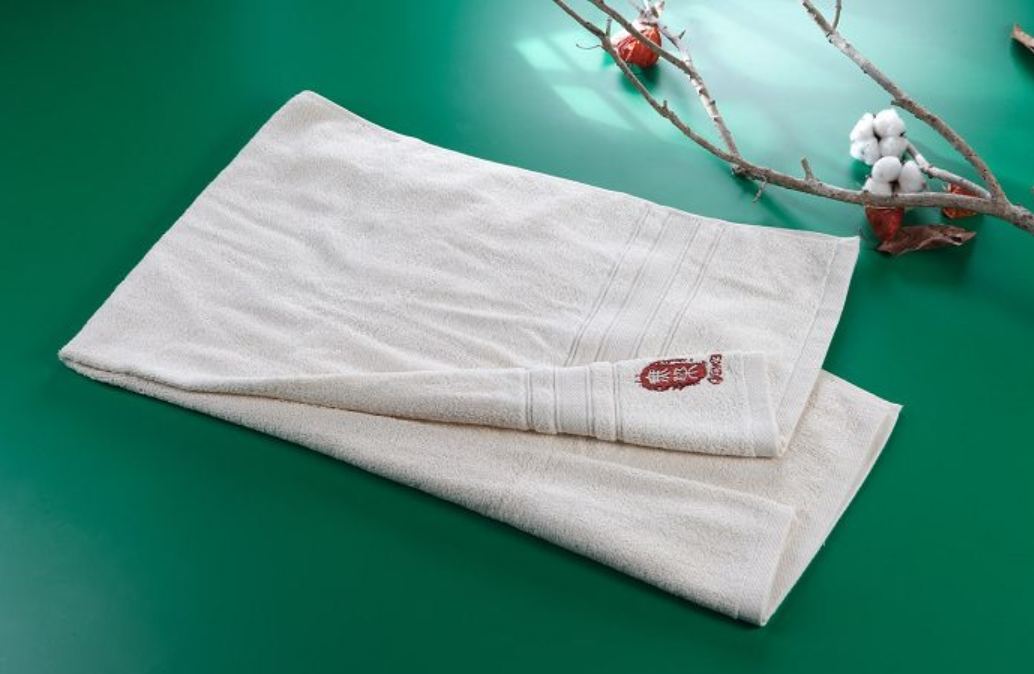
With the escalating global climate change and environmental crises, an increasing number of companies have begun to incorporate sustainable development (ESG) and environmental protection principles into their core values. However, as early as several decades ago, when the concept of sustainability was still emerging, the Taiwanese company CHAR WIE had already recognized this trend and decisively embedded environmental values into its product design and manufacturing processes, becoming a pioneer in sustainable business practices.
2025-07-31 13:43:31
The textile industry is one of Taiwan's major industries, covering a wide range from raw material procurement to end consumption. However, this large and complex supply chain has accumulated long-standing issues, such as unclear labor rights, environmental degradation, lack of transparency, and unclear product origins. As consumer demand for sustainable products increases, improving supply chain transparency and ensuring product quality has become a significant challenge.
2025-07-30 15:33:25
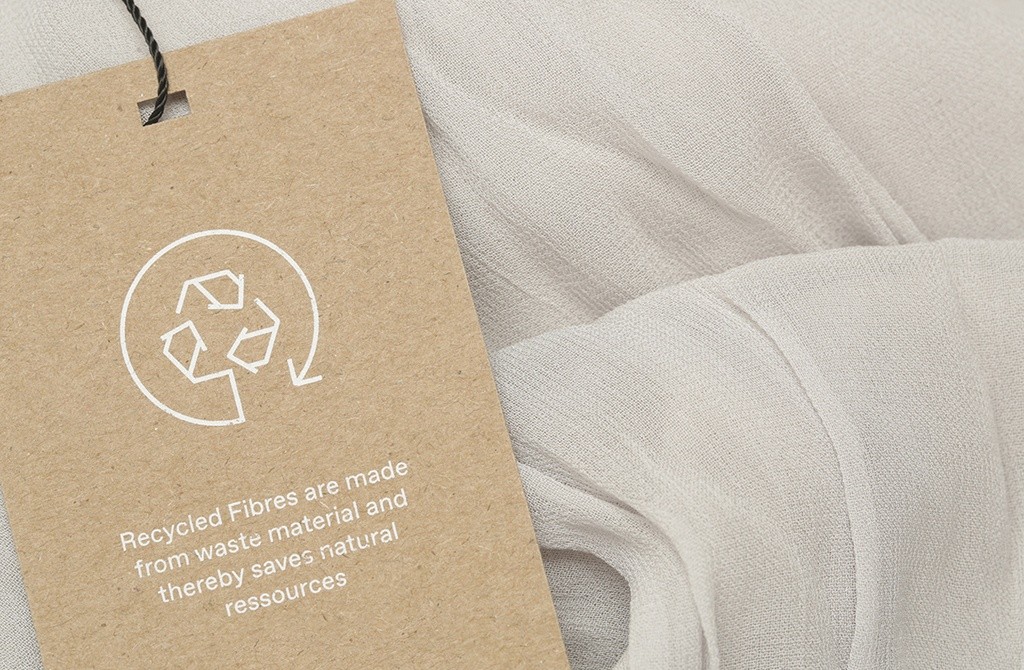
As the times evolve and the public’s aesthetic preferences advance, fast fashion has gradually become mainstream, characterized by rapid production, low prices, and mass consumption. Consequently, the textile industry’s waste problem has become increasingly severe. According to data, approximately 92 million tons of textile waste are generated globally each year, and the recycling rate for this waste is extremely low—less than 1% of garments are reused, while the majority are incinerated, placing a tremendous environmental burden on the Earth.
2025-07-29 16:31:30
Pineapple Leaves Fiber, as an innovative textile material, is not only eco-friendly but also effectively reduces agricultural waste. Exclusively developed and applied by Taiwan’s UKL, it creates a new fabric option that combines breathability, antibacterial properties, and durability.
2025-07-25 14:00:20

In recent years, concepts such as the SDGs and ESG have garnered widespread attention worldwide, and growing numbers of people are focusing on environmental protection and sustainability—textile manufacturing is no exception. Since its founding in 1976, HERMIN TEXTILE has specialized in natural‑fiber fabrics. As a pioneer in eco‑textiles, the company applies biomimetic design principles and collaborates with markets around the globe to drive green innovation. Guided by its mission of “Green Innovation, Infinite Future,” HERMIN TEXTILE continues to lead the sustainable‑development and eco‑textile revolution, committed to delivering high‑performance, sustainable products that meet stringent environmental standards.
2025-07-25 13:46:36
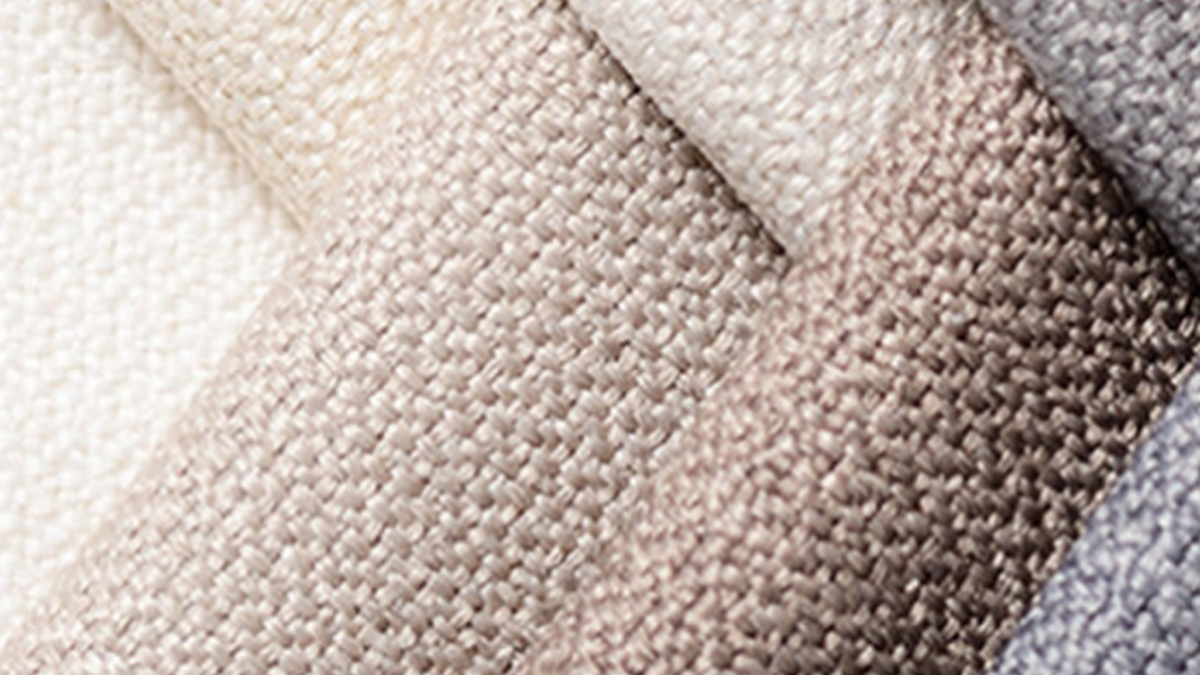
Nylon has been a widely used synthetic material since the early 1900s, valued for its strength, flexibility, and resilience. From fashion to industrial use, it’s found in countless products. But as sustainability becomes a global priority, nylon’s environmental impact has come under greater scrutiny. This article takes a closer look at how nylon is made, its environmental challenges, and the more sustainable options now available.
2025-06-25 10:36:04
Some of the most powerful innovations in fashion don’t come from high-tech labs - but from nature itself. EVOPURE+ is a visionary brand redefining sustainability by transforming agricultural byproducts into everyday essentials. Founded in 2020, the brand emerged with a simple but profound mission: to infuse sustainable practices into fashion without compromising style. Focusing on pineapple leaf fiber - an eco-friendly textile born from local agricultural waste - EVOPURE+ proves that the future of fashion can be both responsible and beautiful.
2025-04-25 10:13:32
Since its founding in 1976, HERMIN TEXTILE has been a leading manufacturer of Natural Functional Fabrics, Eco-Friendly Fabrics, Outdoor and Performance Fabrics, and Knitted Textiles. Their Custom Garment Manufacturing offers a broad range of Ready-to-Wear and Non-Apparel Fabrics. With innovative designs and products, including Bonded and Laminated Fabrics, HERMIN offers the advanced technical know-how and flexibility required to meet the evolving needs of leading brands.
2025-04-15 09:36:52

The word "function" originates from Japan, so it is understandable that functional textiles began in various chemical fiber factories in Japan. In the early days, it was emphasized that new materials produce new functions, often first with relevant fiber function technologies, and then looking for new functional applications. What is the "functionality" of textiles? The most incisive "functional" design is multi-faceted. Functions are related to people themselves and their living environment, including comfortable and healthy functions, leisure and sports functions, safety and protection functions. Contains medical and physiological functions.
2023-10-03 16:19:22
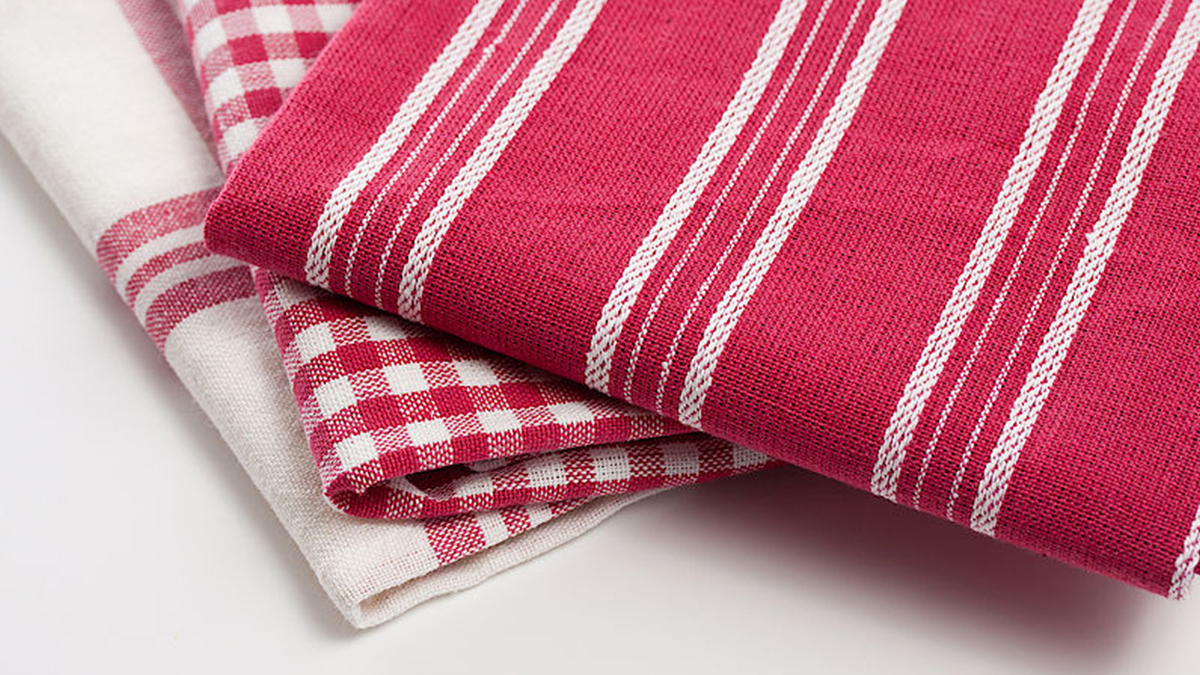
With the global economic development, the demand of the consumer market has driven the vigorous growth of the textile industry. However, under the business model of production-based sales, excessive production has not only caused environmental pollution but has also caused unnecessary waste of resources. Over the past few years, this has led the United Nations and the European Union, to begin to advocate "sustainability" and "environmental protection" as the focus of global development for the next 10 years.
2023-07-05 11:25:38
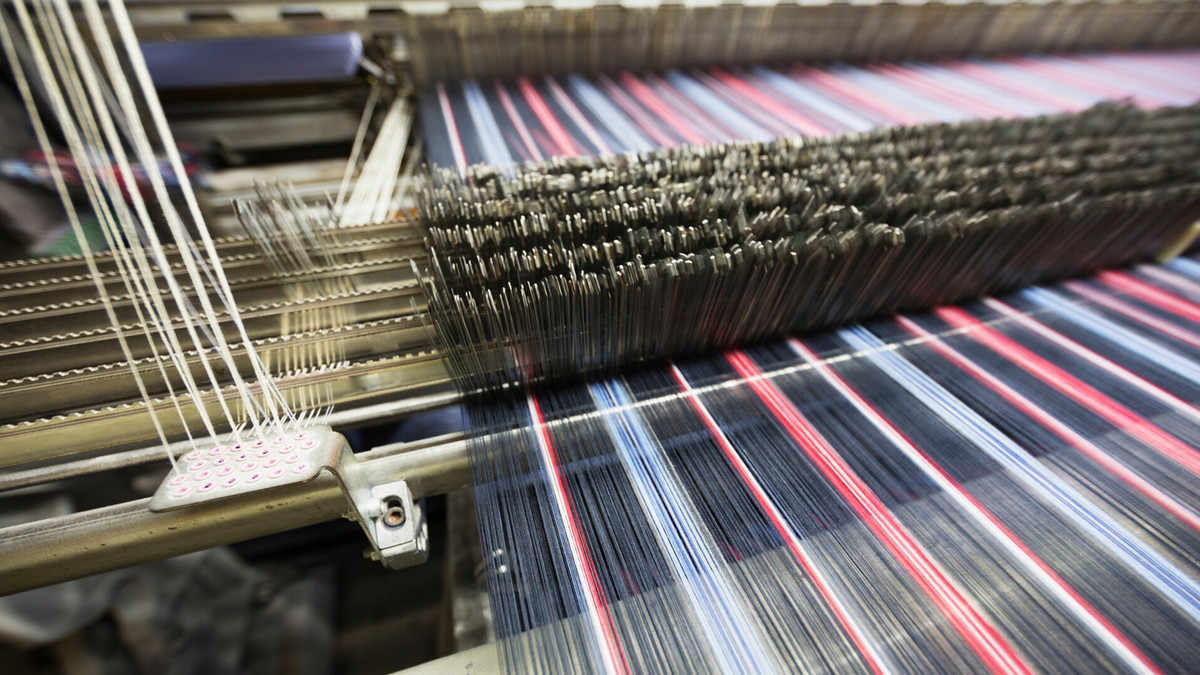
With the global economic development, the demand of the consumer market has driven the vigorous growth of the textile industry. However, under the business model of production-based sales, excessive production has not only caused environmental pollution but has also caused unnecessary waste of resources. Over the past few years, this has led the United Nations and the European Union, to begin to advocate "sustainability" and "environmental protection" as the focus of global development for the next 10 years.
2023-02-16 09:54:23
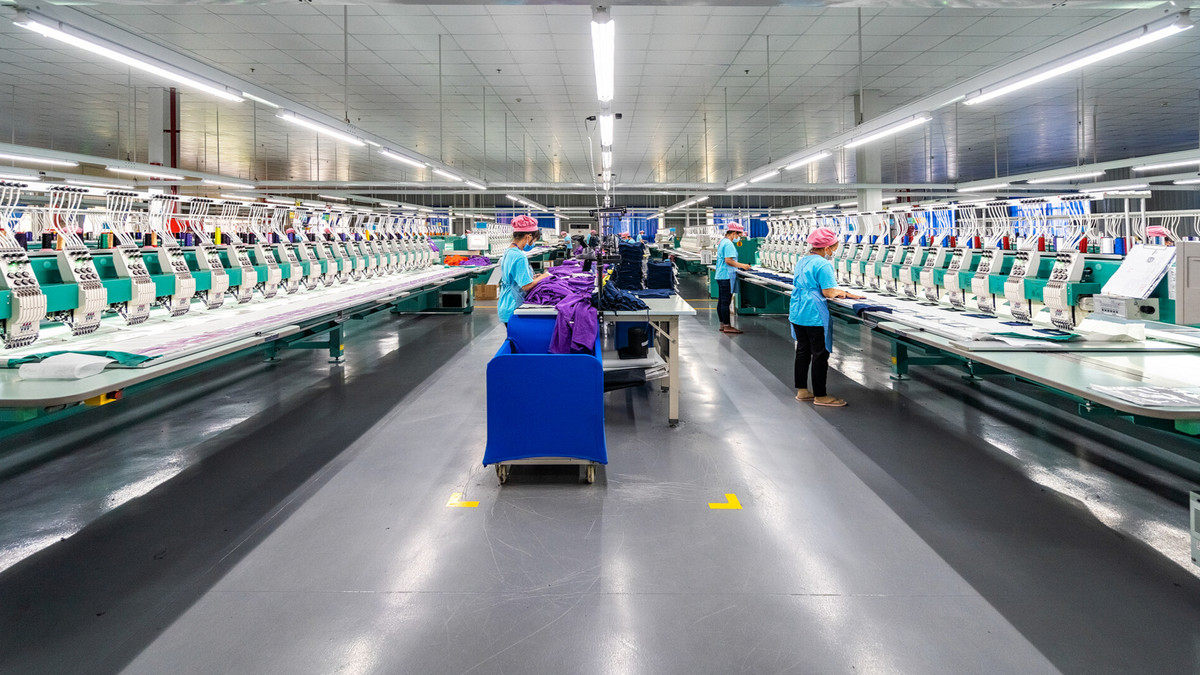
The textile industry was a leading sector in Taiwan's early industrialization stage. The growth and achievements of the textile industry also led to the development of other industrial sectors. The garment manufacturing industries are downstream industries in the textile industry chain. Its upstream includes fiber manufacturing, chemical additives, spinning, weaving, dyeing and finishing, and other industries. The garment manufacturing industry are the processing stage in the industry chain. It is also an important industry that gives added value to textiles.
2023-02-16 09:49:13
The digitalization of the textile industry, which is highly connected with the consumer market, is the general trend. In particular, the digitalization of the supply chain such as 3D simulation technology can greatly simplify and speed up the product development and production process, and at the same time achieve the reduction of manpower, which promotes fashion and textiles. Industry players are all vigorously promoting digital transformation, and the recent digital development of the textile industry has mostly focused on issues such as sustainable fashion, circular economy, and digital innovation.
2023-01-16 14:06:28
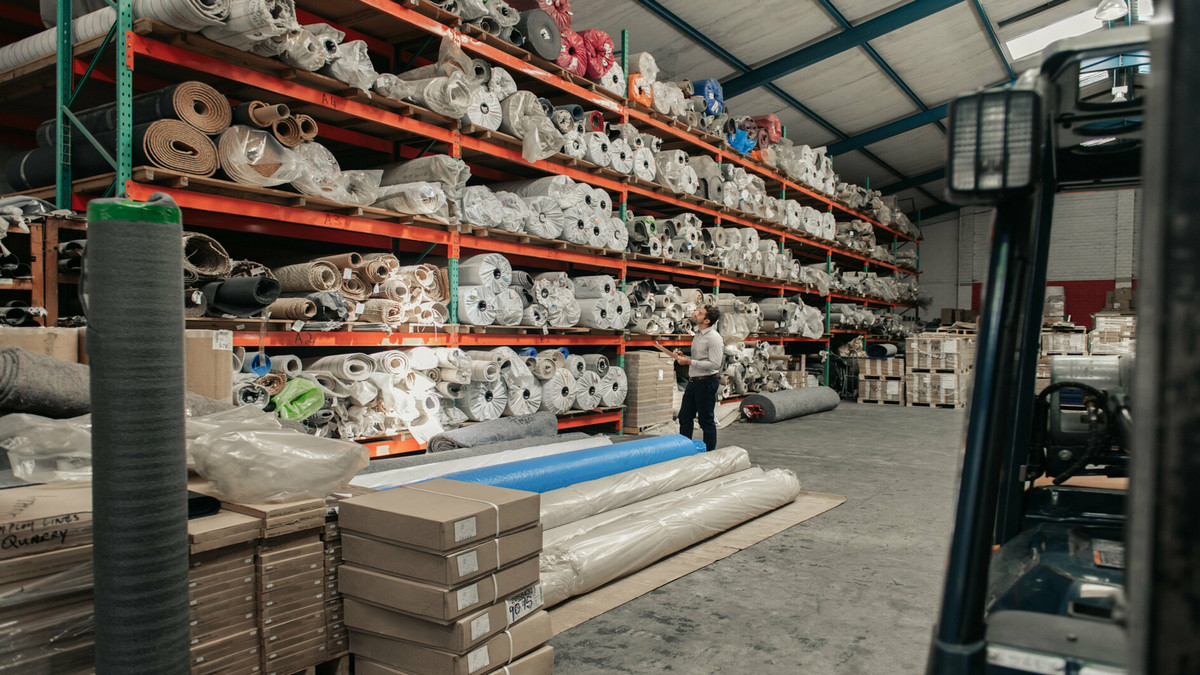
One of the simplest ways of classification is to classify textiles other than general clothing and home decoration textiles as technical textiles. Let’s see what are so called Technical Textiles.
2022-11-14 16:38:21
The upstream of the textile industry chain is the petrochemical raw material. After being manufactured into nylon fiber, polyester fiber, rayon fiber, carbon fiber and other human fiber products, it is spun into yarn, then woven into cloth, and then bleached, dyed, printed, Dyeing and finishing procedures such as coating, finishing, tailoring and sewing into garment products or other related textile products. The textile manufacturing process can be divided into four stages: fiber, textile, dyeing and finishing, ready-to-wear/home textiles, among which textiles can be further divided into two steps: spinning and weaving: spinning is the transformation of roving into spun yarn. After being sent to the factory, the yarn is inserted into the operation axis of the textile machine table, and the textile machine table pulls the yarn upward and sends it to the textile machine; the next step is the weaving step, at this stage, the shuttle is used in the textile machine. It shuttles back and forth continuously, and finally weaves it into a piece of cloth. After finishing the cloth fabric (including cotton, wool, synthetic fiber, etc.) into a box, it can be sent to downstream manufacturers for post-processing to form a textile industry chain.
2022-11-11 11:43:31
Agree