How to evaluate brake disc cleaners for safer, cleaner and more practical vehicle maintenance.
A brake disc cleaner is not the most glamorous item on a garage shelf, but it plays a quiet role in reliable automotive maintenance. Brake discs, pads, calipers and nearby hardware are exposed to road grime, oil mist, brake dust, brake fluid residue and fingerprints during repair work. When contaminants remain on friction surfaces, they may contribute to noise, uneven pad bedding or an inconsistent pedal feel after service.
For beginners, many brake cleaners look similar. In practice, their solvent chemistry, drying speed, residue level, material compatibility and safety requirements can vary. Choosing the right one is not about buying the strongest product. It is about selecting a cleaner that fits the job, workspace and nearby vehicle components.
What Brake Disc Cleaner Is Designed to Do
Brake disc cleaner removes oil, grease, dust and other deposits from metal brake components. It is useful during pad or rotor replacement, caliper work, hub cleaning and inspections where a clean surface helps identify wear, leaks, corrosion or incorrect assembly. It is not a repair product. A warped rotor, seized caliper, worn pad, leaking hose or contaminated friction lining still needs proper service.
Brake cleaner differs from ordinary household degreaser. Many general cleaners contain surfactants or water-based ingredients that may dry slowly or leave a film. Brake disc cleaners are usually formulated to evaporate quickly and leave little or no residue, although performance depends on the formula.
Chlorinated vs. Non-Chlorinated Formulas
Beginners often compare chlorinated versus non-chlorinated cleaner. Chlorinated products have historically been valued for strong degreasing and nonflammability. However, some chlorinated solvents are associated with health and environmental concerns and their use may be restricted. Non-chlorinated products often rely on hydrocarbons, acetone, alcohols or similar solvents. They are common for routine maintenance, but many are highly flammable and require careful control of ignition sources.
| Type |
Common strengths |
Key cautions |
Typical fit |
| Chlorinated cleaner |
Strong degreasing, fast drying, often nonflammable |
Higher toxicological concern; avoid heat, welding and poor ventilation; check restrictions |
Controlled professional settings where allowed |
| Non-chlorinated cleaner |
Broad availability, effective general cleaning, often VOC-compliant options |
Flammable; drying speed and residue vary |
Routine DIY and workshop brake maintenance |
The label and Safety Data Sheet matter more than the category name. Two non-chlorinated cleaners can behave differently and a “low VOC” cleaner is not automatically harmless. Before spraying, check the hazards, PPE, storage advice and restricted uses.
Key Factors to Consider Before Buying
Cleaning power should match the task. Light brake dust may require only a moderate cleaner, while grease or brake fluid residue may need stronger solvent action. Removing loose debris first and using controlled bursts is often more effective than overspraying.
Drying speed is practical. Fast-drying cleaners reduce downtime and help prevent trapped solvent near pads or hardware. Extremely fast evaporation, however, can be less convenient in hot weather because the cleaner may disappear before grime is dissolved.
Residue is critical around friction surfaces. Look for language such as “residue-free” or “leaves no residue,” then judge by actual use. A cleaned rotor should look dry, not glossy or oily. If a product leaves a film, it may be unsuitable for rotor faces or pad contact areas.
Material compatibility should never be assumed. Brake cleaners are usually intended for metal brake parts, but overspray can reach painted calipers, rubber boots, plastic sensor housings, coated wheels and bushings. If the label does not confirm compatibility, mask sensitive areas or spray the cleaner onto a cloth first.
Safety and ventilation are essential. Aerosol brake cleaners can expose users through inhalation, skin contact and eye contact. Work outdoors or in a well-ventilated area, wear eye protection and suitable gloves and keep cans away from sparks, heaters, cigarettes, open flame and hot brake components.
Regulatory fit also matters. VOC limits and chemical restrictions vary by jurisdiction. Shops, fleet operators and bulk buyers should confirm that a cleaner is compliant where it will be used, stored and disposed of.
How to Use Brake Disc Cleaner Sensibly
Start by reading the label and SDS. Lift and secure the vehicle correctly, remove the wheel and inspect the brake assembly before cleaning. Avoid blowing brake dust with compressed air. Dust from older brake components can be hazardous and safety authorities recommend wet-cleaning or HEPA-filtered methods for controlling brake and clutch dust.
Spray from a short, controlled distance and allow runoff to carry contaminants into a catch pan. Use only enough cleaner to wet the target area. For rotor faces, spray and wipe with a clean lint-free cloth if needed, then let the surface dry fully before reassembly. Do not spray hot parts and do not weld or heat parts that may still contain solvent residue. Dispose of used cloths, runoff and empty cans according to local rules.
FAQ
Q1: Can I spray brake disc cleaner directly on rotors?
Yes, rotors are one of the main intended surfaces, provided the label allows it and the rotor is cool. Let the cleaner evaporate completely before reassembly or driving.
Q2: Can brake cleaner fix squeaky brakes?
It may help if noise is caused by light residue, but squeal can also come from pad material, glazing, worn hardware, uneven wear or installation issues.
Q3: Is non-chlorinated brake cleaner always safer?
Not always. It may avoid some chlorinated solvent concerns, but many non-chlorinated cleaners are flammable and still require ventilation, gloves and eye protection.
Q4: Should I use brake cleaner on brake pads?
Use caution. Light surface contamination during installation may be cleanable, but pads soaked with oil, grease or brake fluid may need replacement. Follow the pad manufacturer’s guidance.
Q5: Can I use brake cleaner on ABS sensors?
Avoid direct spraying unless the label states it is safe for plastics and electronics. Apply cleaner to a cloth and clean nearby metal areas carefully.
Q6: How often should I clean brake discs?
There is no fixed interval. Cleaning is usually done during inspection, pad or rotor replacement or when contamination is visible. Regular brake inspection is more important than unnecessary spraying.
Conclusion
The right brake disc cleaner is chosen by matching the product to the job, workspace and nearby materials. For most beginners, a good option is residue-free, clearly labeled, compatible with intended surfaces, compliant with local rules and practical to use safely. Used carefully, it supports cleaner service work and better inspection, but it does not replace proper brake diagnosis or quality parts.
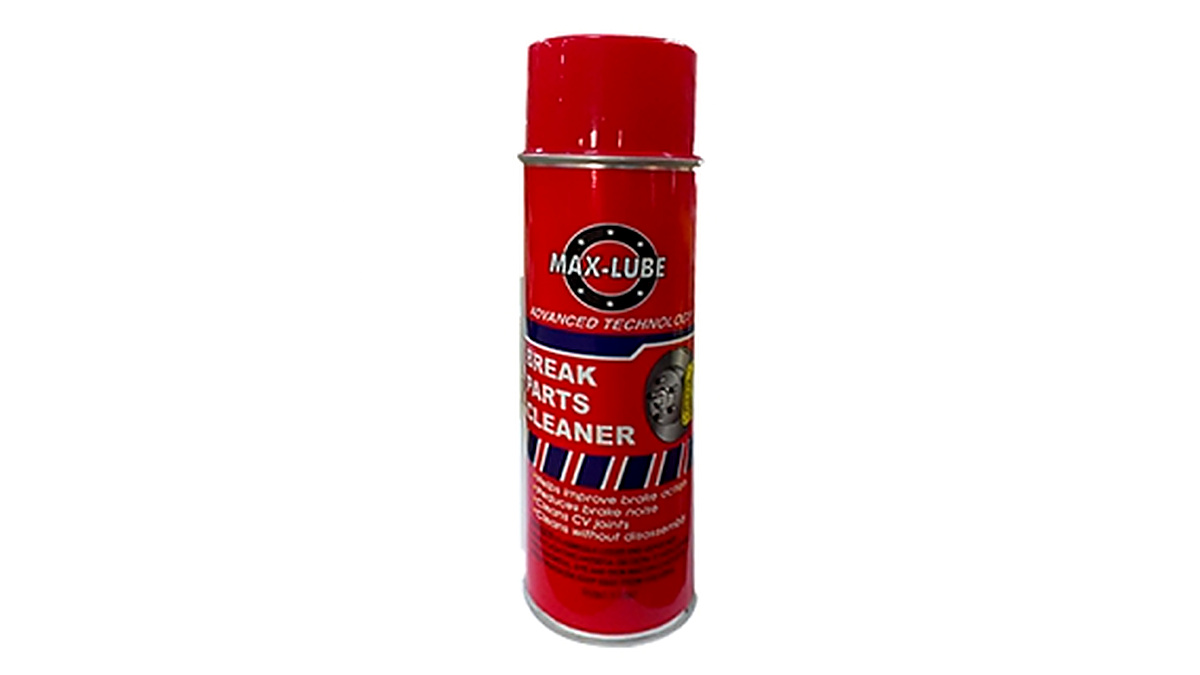
For readers comparing maintenance products for workshop, fleet or equipment use, Max-Lube offers a Brake Disc Cleaner with product details and application notes for automotive, industrial, agricultural and truck maintenance. Review it here: Max-Lube Brake Disc Cleaner.





.jpg)
.jpg)