This article explains how to select the right flange for oil & gas and petrochemical applications based on pressure, temperature, media, standards, materials, and facing type. It compares common flange types such as weld neck, slip-on, blind, socket weld, threaded, and lap joint, and highlights why weld neck flanges are often preferred for critical high-pressure service. It also includes a simple selection process, practical application examples, and common mistakes to avoid.
Selecting the right flange is a critical decision in oil & gas and petrochemical projects. In these industries, a flange is not just a mechanical connector; it is part of the pressure boundary that directly affects safety, reliability, and maintainability. A poor selection can lead to leakage, unplanned downtime, or accelerated corrosion, so the decision should always be based on actual service conditions rather than habit or convenience.
For engineers, buyers, and project teams, the best flange is the one that balances standards compliance, operating conditions, lifecycle cost, and installation practicality. Many industrial users start from general references and then refine their choice by pressure rating, material, size, and application type. In that process, practical selection guidance is often more useful than a simple catalog.
Why flange selection matters in demanding service
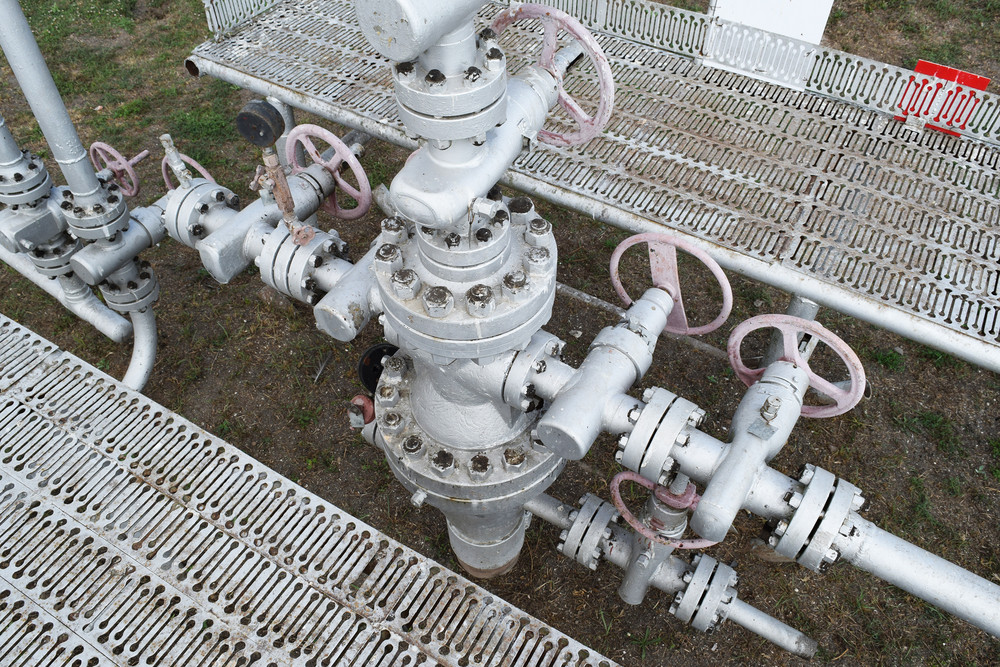
Oil & gas and petrochemical systems often operate under demanding conditions. Typical process lines may be exposed to high pressure, elevated temperature, corrosive media, vibration, and frequent inspection or shutdown requirements. In such environments, the flange must perform consistently over long operating periods and through multiple thermal and mechanical cycles.
Flange selection therefore has a direct impact on safety, maintenance cost, and system uptime. A flange that is technically compatible on paper but not suited to the actual service environment may create long‑term risk or cause repeated maintenance issues. Because of that, selection should always begin with a clear understanding of the application.
Key factors to consider before choosing a flange
When choosing a flange for oil & gas or petrochemical use, several factors should be reviewed together rather than in isolation. The following points are especially important:
- Operating pressure and design pressure.
- Operating temperature and potential temperature swings.
- Fluid or media characteristics, including corrosiveness and toxicity.
- Pipe size, wall thickness, and pipe material.
- Applicable flange standard (for example EN 1092‑1, ANSI / ASME, JIS, DIN, BS).
- Required facing type and gasket compatibility.
- Expected inspection, maintenance, and replacement frequency.
- Project specifications, client standards, and local regulations.
These factors typically determine whether a flange must prioritize strength, corrosion resistance, leak‑tightness, ease of installation, or repeated dismantling.
Common flange types and their typical use
Different flange types are designed for different roles within a piping or process system. Understanding their typical use in oil & gas and petrochemical environments helps narrow the choice more efficiently.
Overview table: flange type vs typical use
| Flange type |
Typical use in oil & gas / petrochemical systems |
Key strengths |
| Weld neck |
Main process lines, high‑pressure / high‑temperature service |
Strong, reliable, good stress distribution |
| Slip‑on |
Utility and auxiliary lines with moderate pressure |
Easier installation, cost‑effective in suitable service |
| Blind |
Line ends, test points, future expansion connections |
Simple isolation and pressure testing |
| Socket weld |
Small‑bore high‑pressure lines, selected instrumentation runs |
Compact design for small diameters |
| Threaded |
Low‑pressure, non‑weld or temporary service (if allowed by spec) |
No welding required in specific cases |
| Lap joint |
Connections requiring frequent dismantling and realignment |
Convenient alignment and repeated assembly |
Weld neck flange
Weld neck flanges are often preferred for critical service because they provide strong structural support and good stress distribution. Their tapered hub helps transfer stress more smoothly into the pipe, making them suitable for high‑pressure and high‑temperature applications commonly found in oil & gas and petrochemical plants. They are frequently selected for main process lines, high‑energy services, and other connections where long‑term integrity is essential.
Slip‑on flange
Slip‑on flanges are typically easier to install and may be used where pressure and temperature are moderate. They are often chosen for utility lines, auxiliary services, and certain non‑critical systems where installation speed and cost are important considerations. However, for the most severe service environments, they are usually not the first choice.
Blind flange
Blind flanges are used to close the end of a piping system, nozzle, or equipment opening. In oil & gas and petrochemical facilities, they are widely used for isolating sections during testing, maintenance, or future expansion. Because they can be removed and reinstalled, they offer flexibility for future modifications.
Socket weld flange
Socket weld flanges are common in smaller‑diameter pipelines that operate at higher pressures. Their compact design makes them suitable for selected process and instrumentation services where space is limited and welding is preferred over threading.
Threaded flange
Threaded flanges are generally used where welding is not practical, such as in some low‑pressure or temporary systems. For oil & gas and petrochemical applications, they are usually restricted to services where vibration is limited and code allows threaded connections. They are not typically used in the most demanding pressure or temperature conditions.
Lap joint flange
Lap joint flanges are useful where frequent dismantling or realignment is needed. They are often paired with stub ends and can simplify maintenance in certain systems, especially where the piping material differs from the flange material for cost or corrosion reasons. They are less common in the highest‑pressure services but can be effective in specific applications.
A simple decision path and scenario-based examples
To make selection more practical for project teams, a straightforward step‑by‑step approach can be helpful.
-
Define the service conditions
Confirm pressure, temperature, media, and whether the line is considered critical or non‑critical by the project.
-
Identify the applicable standard
Check project documentation for required standards such as EN 1092‑1, ANSI / ASME, JIS, DIN, or BS, and confirm regional and client requirements.
-
Choose the flange type
Match the service with appropriate flange types: weld neck for critical and severe service, slip‑on for moderate conditions, blind for line ends, socket weld or threaded for small‑bore lines, and lap joint where frequent dismantling is expected.
-
Select material and facing
Align material with corrosion and temperature conditions, and choose the correct facing and gasket combination to achieve the required sealing performance.
-
Validate against project and client specifications
Confirm that the final selection meets internal standards, client specifications, and applicable design codes before release for procurement.
Scenario-based examples
The following examples illustrate how this logic may be applied in oil & gas and petrochemical environments.
| Scenario |
Typical flange choice |
Notes |
| Main process line in severe service |
Weld neck, higher class, appropriate facing |
Focus on strength and sealing reliability |
| Low‑pressure utility line |
Slip‑on with a suitable pressure class |
Balance cost and installation speed |
| Line termination or test connection |
Blind flange |
Enables isolation and pressure testing |
| Small‑bore high‑pressure line |
Socket weld or threaded (if code permits) |
Check project rules on threaded joints |
| Frequently dismantled connection |
Lap joint with stub end |
Easier alignment and repeated disassembly |
Material, facing, common mistakes, and reference resources
Material selection for oil & gas and petrochemical service
Material selection is just as important as flange type. The material must be compatible with the media, temperature, pressure, and corrosion conditions of the system.
-
Carbon steel is commonly used in general industrial and many hydrocarbon services where corrosion risk is manageable.
-
Stainless steel is selected where higher corrosion resistance is required, for example in some process or chemical lines.
-
Duplex and super duplex stainless steels may be used in more aggressive environments, including certain offshore and subsea applications.
-
Alloy materials may be required for special services such as high‑temperature or sour environments, according to project and code requirements.
Availability, fabrication practice, and project schedule also influence the final choice, especially for large projects or remote locations.
Facing type and sealing performance
Facing type affects how the flange seals with the gasket and how the joint behaves under pressure and temperature changes. Common facing types include raised face, flat face, and ring type joint configurations, each with associated gasket options.
For higher‑pressure or more critical services, sealing integrity becomes more important than installation convenience. Selection should therefore consider the flange face, the gasket material, bolting, and the operating environment as a single system, rather than as separate components.
Common mistakes to avoid
Even experienced project teams can encounter issues if certain aspects are overlooked. Typical mistakes include:
- Selecting a flange type by habit, without checking the actual pressure and temperature limits.
- Mixing drilling patterns or standards (for example, combining EN 1092‑1 and ANSI drilling on connected flanges).
- Overlooking gasket compatibility with the chosen facing and media.
- Using threaded flanges in services where vibration or pressure fluctuations are significant.
- Underestimating the impact of corrosion on material selection over the full lifecycle of the installation.
How reference sites such as pipefittingweb.com support selection
In many oil & gas and petrochemical projects, engineers and buyers need to move from general selection principles to very specific dimensional and standard requirements. At that stage, structured reference sites become especially useful.
Manufacturers like Wellgrow Industries, which specialize in pipe flanges manufacturing, organize flange information by standard and application, covering standards such as EN 1092-1, ANSI, JIS, DIN, and BS, ensuring a consistent format. This helps teams quickly confirm whether a specific standard and flange type are suitable for the design before conducting detailed dimensional calculations and supplier evaluations.
For international projects, having access to multiple standards in one place also makes it easier to compare regional practices and align specifications across different facilities or contractors. In this way, general selection guides and standard‑based references complement each other throughout the project lifecycle.
Conclusion
Flange selection for oil & gas and petrochemical applications should always be driven by service conditions and formal project requirements. The most appropriate flange will depend on pressure, temperature, media, corrosion risk, maintenance needs, and applicable standards.
Weld neck flanges are often chosen for critical and high‑energy services, while slip‑on, blind, socket weld, threaded, and lap joint flanges each serve specific roles in less severe or more specialized applications. A clear, structured selection process—supported by reliable references and standard‑based information—helps project teams choose with confidence and reduce risk across the entire piping system.