A practical comparison of insulation, customer comfort, operating efficiency, and cost for hot beverage packaging.
Choosing a paper cup for hot drinks involves more than selecting a size and adding a logo. Wall structure affects how quickly heat reaches the user’s hand, how long the beverage stays warm, how much packaging must be stored, and what each completed serving costs.
Single-wall and double-wall cups can both work well, but they solve different problems. Single-wall cups emphasize simplicity, compact storage, and lower unit cost. Double-wall cups add an insulating outer layer that can improve hand comfort and create a more substantial feel. The better choice depends on beverage temperature, drinking time, customer expectations, and the full packaging system.
What Is the Structural Difference?
A single-wall cup uses one main paperboard body to contain the drink. Because paperboard alone is not sufficiently liquid-resistant for this application, hot-drink cups normally include a suitable barrier layer on the food-contact side. The paperboard, coating, ink, and adhesive must all be appropriate for their intended use.
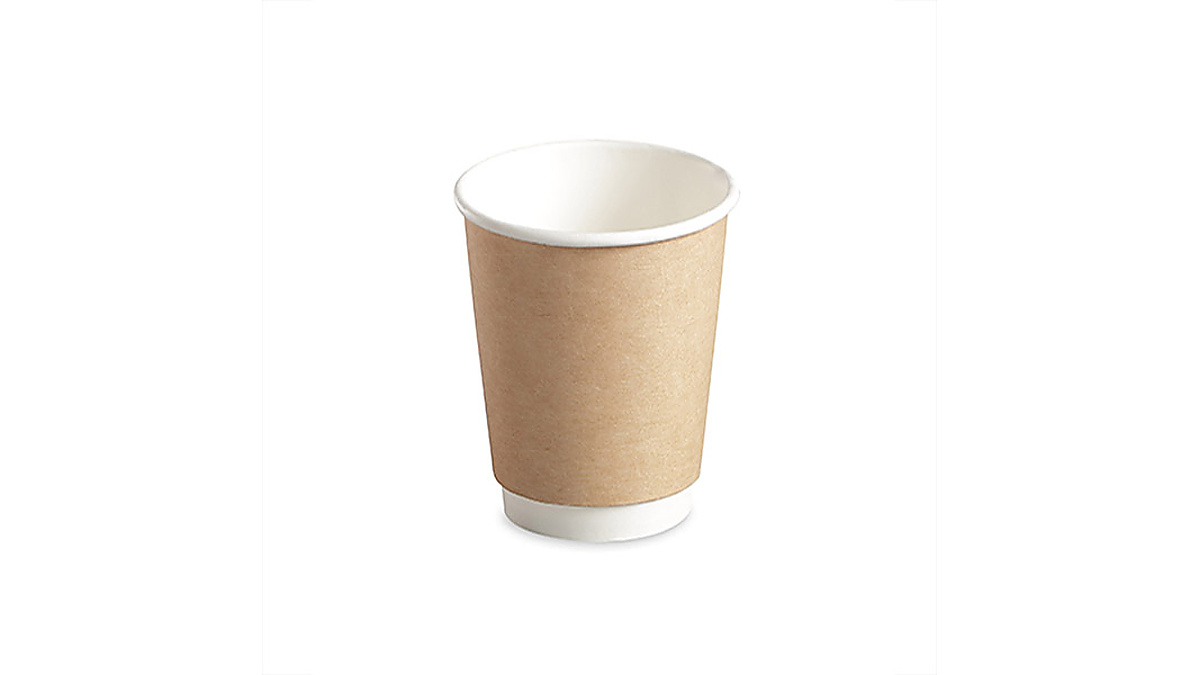
A double-wall cup contains an inner cup and a separate outer paper layer. Depending on the design, the space between them may be smooth, embossed, corrugated, or otherwise shaped to limit direct contact. The second wall creates an additional path that heat must travel before reaching the hand.
This matters because heat moves from the beverage through the cup wall and into the surrounding environment. Paperboard offers some resistance, while an extra layer and small air spaces can slow sidewall heat transfer. Research on paper and fiberboard also shows that thickness, density, structure, and trapped air influence thermal performance.
Heat Retention: Double-Wall Usually Has the Advantage
A double-wall cup generally slows heat transfer through the sidewall more effectively than a comparable single-wall cup. This can help the drink cool more gradually and lower the temperature felt on the outside surface.
However, wall construction is only one part of heat retention. Heat also escapes through the top, lid, and drinking opening. Cup size, fill volume, ambient temperature, beverage composition, and time before consumption all affect the result. A poorly fitted lid can reduce the practical benefit of an insulated wall.
For drinks consumed immediately, the difference may not be decisive. For takeaway coffee, tea, or hot chocolate carried for longer periods, double-wall construction is more likely to provide a noticeable benefit. Businesses should test cups with their actual drink temperatures, lids, serving volumes, and expected holding times.
Hand Comfort and the Need for Sleeves
Hand comfort is often the most obvious difference. A single-wall cup may feel hot when filled with a freshly prepared beverage, especially when the drink is served at a high temperature or held for several minutes. A sleeve can improve comfort, but it also becomes another item to purchase, store, stock, and apply.
Double-wall cups are designed to reduce heat reaching the outer surface. Many can be held comfortably without a separate sleeve, although performance varies by design and beverage temperature. Embossed or textured walls may also improve grip by reducing the amount of surface area touching the hand.
| Decision Factor |
Single-Wall Cup |
Double-Wall Cup |
| Sidewall insulation |
Basic |
Higher in most comparable designs |
| Hand comfort |
May need a sleeve for hotter drinks |
Often usable without a sleeve |
| Unit price |
Usually lower |
Usually higher |
| Storage space |
Generally lower |
Generally higher |
| Presentation |
Simple and familiar |
More substantial or premium |
| Typical use |
Fast service and cost-sensitive operations |
Takeaway, delivery, and comfort-focused service |
Cost: Compare the Complete Serving System
Single-wall cups are usually less expensive per unit because they use fewer layers and require fewer manufacturing steps. They are also often lighter and more compact, which may improve carton capacity and storage efficiency.
Double-wall cups generally cost more because of the added paperboard and converting process. Yet unit price alone can be misleading. If a single-wall cup regularly needs a sleeve, the business must add the sleeve cost, application time, extra storage, and the risk of one component running out before the other.
A double-wall cup may simplify counter operations because the insulation is built into the package. This can be valuable during busy periods or in self-service settings. It may also support a premium brand position when customers associate a thicker cup with better quality.
The most useful comparison is cost per completed serving. This should include the cup, lid, sleeve if required, printing, packing quantity, freight, storage, handling, and expected waste.
Choosing the Right Cup for the Business
Single-wall cups are often suitable when drinks are served at moderate temperatures, consumed quickly, or offered in settings where sleeves can be added only when necessary. They may also suit high-volume events, offices, and operations where price and storage efficiency are priorities.
Double-wall cups are often better for specialty coffee, premium tea, delivery, outdoor service, and situations where customers may hold the drink longer. They can reduce dependence on sleeves and provide additional opportunities for texture or full-surface branding.
Neither structure is automatically the more sustainable choice in every case. A single-wall cup uses less paperboard, but adding a sleeve changes the material total. A double-wall cup uses more material but may eliminate a separate component. Coatings, food residue, local collection rules, and recycling facility capabilities also affect end-of-life outcomes. Businesses should verify disposal claims with suppliers and local waste programs.
Frequently Asked Questions
1. Are double-wall cups always safe to hold without a sleeve?
Not always. They generally improve hand comfort, but performance depends on beverage temperature, cup design, size, and holding time. Testing under actual service conditions is advisable.
2. Do double-wall cups keep drinks hot much longer?
They usually reduce heat loss through the sidewall, but total cooling also depends on the lid, opening, cup volume, and surrounding temperature.
3. Are single-wall cups unsuitable for coffee?
No. They are widely used for coffee and other hot drinks. A sleeve may be appropriate when the serving temperature makes the outside uncomfortable.
4. Which type is cheaper for a café?
Single-wall cups usually cost less per unit. The better comparison includes sleeves, labor, storage, freight, and waste.
5. Can both types be custom printed?
Yes. Print area, surface texture, color reproduction, and minimum order quantities vary by manufacturer and cup structure.
6. Are paper hot cups recyclable?
Recyclability depends on cup composition, food residue, and local collection and processing systems. Local guidance should be checked before making recycling claims.
Conclusion
The choice between single-wall and double-wall paper cups is a balance among heat management, customer comfort, operating efficiency, and cost. Single-wall cups offer a simple and economical solution, especially when drinks are consumed quickly or sleeves are used selectively. Double-wall cups provide stronger sidewall insulation, a more comfortable grip, and a more substantial presentation, which can be useful for takeaway and premium beverage service.
Before placing a large order, test both structures with the actual drink, lid, fill level, and holding time used in daily operations. Businesses comparing single-wall, embossed double-wall, and insulated formats can review the Huang Guan paper hot cup range as a practical starting point for matching cup structure with service needs and brand positioning.

(4059)(20260924)(原).jpg)