ow bottle geometry, sealing materials, formulas, assembly torque, and distribution conditions combine to cause pump leakage.
A leaking dispenser pump may look like a defective-component problem, but the root cause is often the interaction among several otherwise acceptable parts. A pump that works with water can seep, loosen, dribble, or lose prime after it is filled with lotion, sanitizer, oil, detergent, or another commercial formula. The reason is simple: the pump is only one element in a complete packaging system.
Container-closure guidance and packaging standards emphasize compatibility, integrity, dimensional control, and stability testing. In practice, the pump, gasket, bottle neck, dip tube, formula, filling process, and distribution environment must remain compatible throughout the product’s intended life.
Start by Identifying the Leak Path
Product can escape between the closure and bottle neck, through the actuator or nozzle, around an internal seal, or through a vent. Troubleshooting should begin with the exact location and timing of the leak.
| Symptom |
Common compatibility issue |
First check |
| Wetness around the neck |
Poor thread fit, damaged sealing land, wrong torque, or gasket mismatch |
Inspect the neck and measure torque |
| Product at the nozzle after shipping |
Accidental actuation, pressure change, weak lock, or valve leakage |
Test locked packs under vibration and low pressure |
| Leakage after several weeks |
Seal swelling, shrinkage, stress cracking, corrosion, or torque loss |
Age the filled package with the actual formula |
| Dribbling or loss of prime |
Air entry, unsuitable viscosity, valve contamination, or dip-tube error |
Check valves, tube length, and product flow |
Neck Finish and Closure Mismatch
A pump closure must match more than the bottle’s nominal neck diameter. Thread profile, pitch, thread start, neck height, sealing-land width, and tolerances all affect how evenly the closure seats. Two parts described by the same general neck size may still form an unreliable seal if they were designed from different drawings.
Bottle defects also matter. Flash, ovality, scratches, sink marks, or an uneven top land may prevent uniform gasket compression. A closure can feel tight while only part of the sealing surface is engaged. Compatibility reviews should therefore compare engineering drawings and include production parts from multiple cavities and lots.
Application Torque and Torque Retention
Too little application torque can leave a small gap at the bottle interface. Too much can deform the closure, wrinkle a liner, damage threads, or place excessive stress on the neck. The correct setting is a validated range, not “as tight as possible.”
Torque can change after filling because plastics relax under load, gaskets compress, and product residue changes friction. Temperature cycling may also alter dimensions and clamping force. Measuring both application and removal torque after conditioning helps determine whether the package maintains an effective seal. ASTM publishes methods for torque retention and gross leakage in threaded closures, supporting evaluation of the assembled package rather than the initial capping value alone.
Formula-to-Material Compatibility
A dispenser may contain several plastics, an elastomeric seal, a spring, a ball or valve component, and exposed metal. A formula can be compatible with the bottle yet attack one small internal part.
Alcohols, fragrances, essential oils, surfactants, solvents, acids, and alkalis may cause swelling, shrinkage, softening, embrittlement, corrosion, discoloration, or environmental stress cracking. A swollen seal can increase friction or distort a valve; a shrunken seal can lose contact; a stressed plastic part may crack only after prolonged exposure.
Chemical-resistance charts are useful for screening, but they cannot reproduce a complete formula, concentration, temperature, contact time, or molded-part stress. Testing should use the actual product and intended production components. ASTM D4333/D4333M specifically covers compatibility testing of mechanical pump-dispenser components.
Gaskets, Product Flow, and Venting
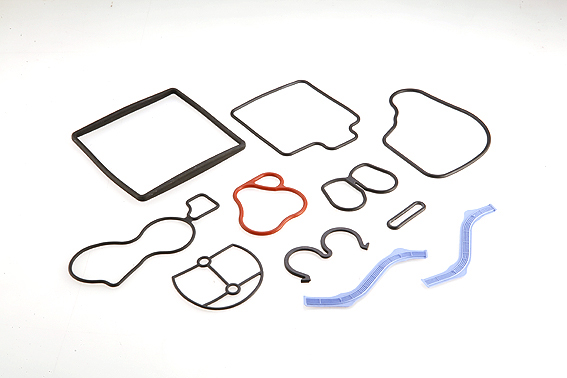
The gasket may be the main barrier against leakage at the neck. Its material, thickness, hardness, finish, and compression behavior must suit both the formula and bottle geometry. A hard gasket may not conform to surface variation, while an overly soft one may wrinkle, extrude, or take a permanent compression set.
Product flow also affects sealing. Thin liquids can pass through clearances that retain a cream. Thick products may prevent valves from reseating, causing stringing or drips. Particles can lodge on a valve surface, while dried or crystallized product may hold the nozzle open. Pump selection should consider viscosity across the expected temperature range, as well as output, spring force, valve design, orifice size, and dip-tube diameter.
Many pumps also vent air into the bottle as product is dispensed. A poorly controlled vent path can release liquid when the package is inverted. Fill level and headspace matter too: insufficient headspace can increase pressure during thermal expansion, while product trapped on the neck during filling may interfere with the seal.
Distribution Conditions Can Expose Marginal Seals
Packages encounter vibration, impact, changing orientation, and pressure differentials during distribution. A pack that remains dry on a warehouse shelf may leak in parcel or air shipment. ASTM methods address high-altitude effects on packaging, while ISTA Procedure 3A includes optional low-pressure vibration testing intended to assess whether a closure retains liquid without leaking.
Validation should therefore use the actual bottle, pump, gasket, formula, fill volume, locking position, and capping process. Useful measurements include leak location, weight loss, torque retention, priming strokes, output, actuation force, and visible material changes. Testing more than one lot is important because a design that works only near the center of each tolerance range may fail in routine production.
Frequently Asked Questions
1. Can a pump fit the bottle and still be incompatible?
Yes. It may screw onto the neck but have incorrect thread engagement, sealing-land contact, gasket compression, or tolerance overlap.
2. Why does leakage begin only after several weeks?
Material swelling, shrinkage, corrosion, compression set, stress cracking, or torque relaxation may develop gradually. Real-time and accelerated aging can help identify the mechanism.
3. Will a thicker gasket always stop leakage?
No. A gasket that is too thick can wrinkle or prevent proper thread engagement. Thickness must match the sealing geometry and required compression.
4. Why does a package leak during air shipment?
Lower external pressure can expand the headspace and force liquid or air through a marginal seal. Vibration and horizontal orientation may worsen the problem.
5. Can changing the pump solve nozzle dripping?
Sometimes, but formula properties may be responsible. Viscosity, surface tension, particles, crystallization, valve design, and spring force should be evaluated together.
6. How many samples are needed for testing?
There is no universal number. The plan should reflect product risk, component variability, distribution routes, markets, and relevant standards. Multiple component lots are preferable to a single small trial.
Conclusion
Dispenser-pump leakage is usually a system-compatibility issue rather than one defective part. Neck dimensions, torque, gasket behavior, chemical exposure, product flow, venting, headspace, and transport conditions can all contribute. The most reliable approach is to define the package as a complete system and validate it with production-representative components and the actual formula.
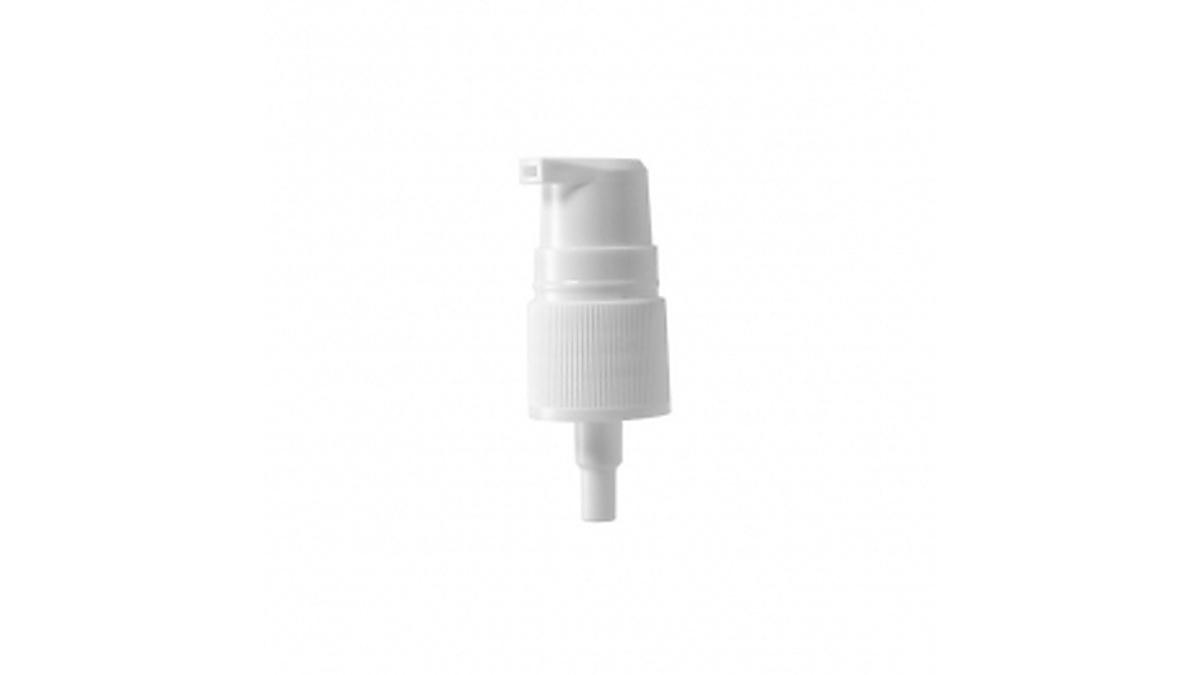
For teams comparing pump formats or preparing compatibility trials, Pin Mao’s dispenser pump provides a clear overview of available configurations, helping guide technical discussions and sampling decisions.

(4059)(20260924)(原).jpg)