Electronic Blueprint Returns: The New Role of PCBs in Smart Medical Devices
Trend

Electronic Blueprint Returns: The New Role of PCBs in Smart Medical Devices

As medical devices move toward intelligence and wearability, printed circuit boards (PCBs) have become a core foundation. Medical-grade PCBs must not only meet stringent safety and reliability standards, but also leverage technologies such as rigid-flex boards, Lab-on-PCB, and Parylene coatings to achieve miniaturization, functional integration, and biocompatibility. These advancements elevate PCBs from mere circuit carriers to key platforms driving smart healthcare.
Published: Aug 22, 2025
Electronic Blueprint Returns: The New Role of PCBs in Smart Medical Devices

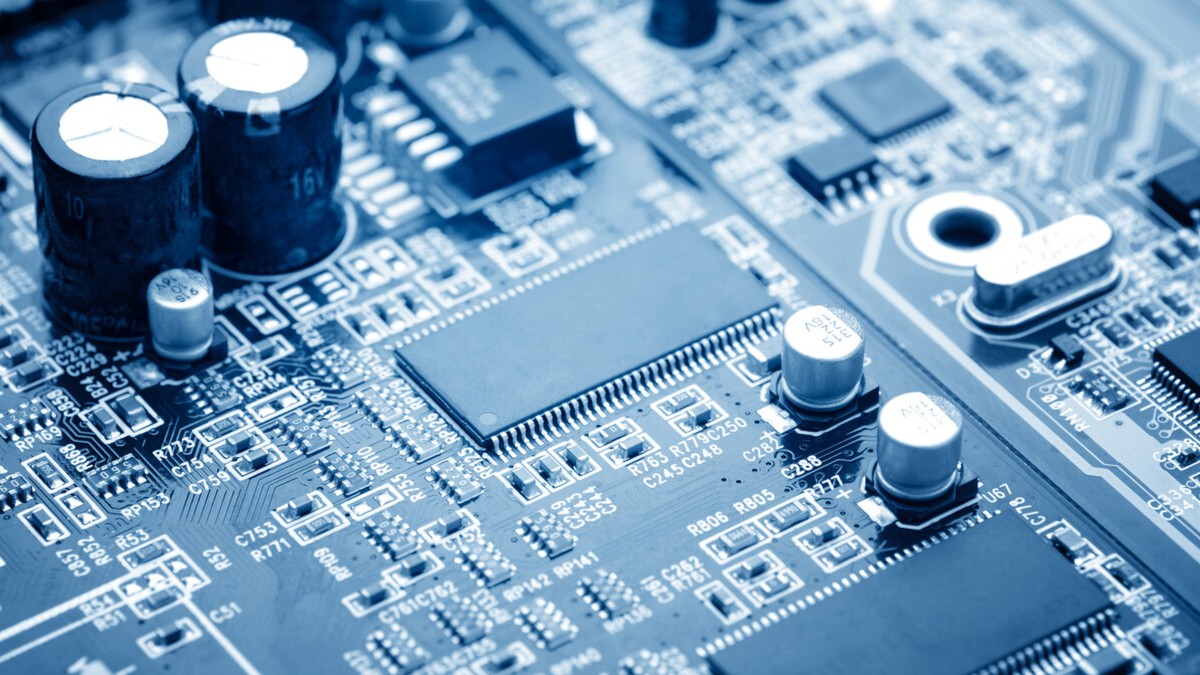
As medical devices continue to evolve toward greater intelligence, miniaturization, and wearability, the role of printed circuit boards (PCBs) is also advancing. With their inherent precision and reliability, PCBs have become central to a wide range of critical medical equipment. Today, they are extensively used in devices such as pacemakers, MRI machines, and CT scanners: in pacemakers, PCBs ensure continuous and stable cardiac monitoring; in MRI and CT imaging systems, they handle high-speed processing and transmission of high-resolution signals. In the field of wearable health monitors, PCBs enable real-time collection of physiological data and enhance care efficiency through wireless transmission. By supporting complex and compact circuit designs, PCBs have become an indispensable foundation of modern medical technology.

The Rigorous Demands of Medical-Grade PCBs: Standards, Materials, and Reliability

To apply PCBs in medical devices that remain in long-term contact with the human body, both design and manufacturing must undergo a series of rigorous validations. First, medical-grade PCBs must comply with relevant regulations and safety standards, such as FDA requirements in the United States and the IEC 60601 standard for medical device safety, to ensure functional stability and user safety. At the same time, most manufacturers adopt the ISO 13485 quality management system and achieve IPC Class 3 high-reliability certification to guarantee that circuit boards can withstand the harshest testing conditions.

When it comes to materials, substrates and conductive layers must be non-toxic, corrosion-resistant, and commonly made with RoHS-compliant eco-friendly materials. For applications involving direct contact with the human body, an additional medical-grade protective coating—such as FDA-approved Parylene film—is applied to effectively isolate body fluids and chemicals, minimizing potential risks.

In addition, medical PCBs must pass a series of environmental and durability tests, including vibration, bending, thermal cycling, and damp-heat testing, to ensure long-term, failure-free operation. Within the industry, it is widely accepted that reliability in medical applications is non-negotiable—a single failure could lead to data inaccuracies or even endanger patient lives.

Notably, experimental studies have confirmed that commercial PCB solder masks exhibit good biocompatibility. In retinal tissue culture tests, the solder mask showed no toxic reactions, indicating that with appropriate protective coatings, PCBs can indeed be safely applied in specific biomedical systems.

Three Breakthroughs Powering Medical PCBs: Rigid-Flex, Lab-on-PCB, and Parylene

  1. Rigid-Flex PCBs
  2. To address the need for space efficiency and high reliability, the industry widely adopts rigid-flex PCB technology. This structure integrates rigid and flexible boards into a single substrate, eliminating a large number of connectors and cables while significantly enhancing both electrical and mechanical performance. Leading PCB companies note that with the growing demand for miniaturized electronic components, rigid-flex PCBs have become a key enabler for wearable and implantable medical devices. Their ability to bend and conform to the body’s curves makes them especially suitable for implantable devices such as pacemakers, neurostimulators, and insulin pumps—saving space, reducing connection failures, and ensuring long-term stable operation.

  3. Lab-on-PCB (Microfluidic Lab-on-a-Chip)
  4. Lab-on-PCB technology integrates microfluidic channels, sensors, and control circuits into a single PCB, essentially creating a “miniaturized laboratory on a circuit board.” Leveraging the mature mass-production foundation of the PCB industry, this approach inherently offers scalability at low cost. Researchers point out that processes such as PCR amplification, biosensing, and rapid test analysis can all be automated on a microfluidic PCB, making it a vital platform for point-of-care diagnostic devices. By using standard PCB manufacturing techniques, Lab-on-PCB significantly reduces production costs, enabling faster and more widespread adoption.

  5. Parylene Coating Protection
  6. For applications involving direct contact with the human body, Parylene coating is the most common protective solution. Applied through chemical vapor deposition (CVD), this uniform thin film is FDA-approved for use in long-term implantable devices. Parylene is non-toxic, biologically stable, and highly insulating, providing effective barriers against body fluids, moisture, and chemicals, while its Teflon-like lubricity reduces friction and tissue response. Studies have confirmed its excellent biocompatibility, which is why Parylene is widely used as a surface coating for pacemaker electrodes, catheters, and implantable sensors. Beyond extending device lifespan, it also enhances patient safety.

Shaping the Future Together: PCBs as the Multifunctional Foundation of Smart Healthcare

When rigid-flex PCB design brings innovation in space utilization and structural reliability, Lab-on-PCB technology integrates microfluidics and signal processing into a scalable platform, and Parylene coatings provide safe protective interfaces, the role of PCBs in medical devices becomes increasingly indispensable. Together, these technologies enable PCBs not only to withstand the rigorous demands of biocompatibility but also to evolve into the “multifunctional physical foundation” of smart medical hardware. From implantable devices and surgical instruments to diagnostic equipment and wearable sensors, all stand to benefit directly from these advancements. Looking ahead, as manufacturing processes advance and application cases continue to grow, the role of PCBs in healthcare will become even more critical, collectively driving the ongoing wave of intelligent medicine.


Published by Aug 22, 2025 Source:HashStudioz.

Further reading

You might also be interested in ...

Headline
Trend
Why U.S. and European Cafes Are Embracing Bubble Tea: Market Trends & Business Insights
Over the past decade, bubble tea—once a niche Taiwanese beverage—has become a global sensation. What was once considered a novelty is now a mainstream beverage option in cafés, restaurants, and even hotels across the United States and Europe. The question many in the foodservice industry are asking is: Why are Western businesses adding bubble tea to their menus?
Headline
Trend
Why Smart Factories Are Prioritizing High-Efficiency Oil Mist Filtration
An analysis of how cleaner air leads to longer machine life and lower costs in the CNC industry.
Headline
Trend
Navigating the Future: Taiwan's Lathe Industry in 2025 and Beyond
Taiwan's lathe industry, a cornerstone of the global machine tool sector, is currently at a critical juncture. Known for its expertise in mid-to-high-end CNC lathes and multi-axis machining centers, the industry has a storied history of evolution and resilience. However, the late 2025 landscape is complex, demanding strategic agility to overcome intense international competition and technological shifts.
Headline
Trend
2026 Precision Machining Trends- Essential Tools for Smart Manufacturing
As we approach 2026, the precision machining industry is poised for significant transformation. The increasing demand for complex and high-precision parts has driven the adoption of smart manufacturing and automation technologies. In this article, we'll explore the top 5 trends in precision machining for 2026 and how SYIC is supporting the industry's evolution.
Headline
Trend
The Application of Materials Science in Medical Device Manufacturing
In the field of medical device manufacturing, materials science plays a central role, directly impacting the safety, durability, and clinical performance of equipment. With the rapid development of smart healthcare and precision medicine, the demands for material performance have become increasingly stringent, particularly in the areas of biocompatibility, antimicrobial properties, and lightweight design.
Headline
Trend
Globalization and Steel-and-Glass Structures: Has the Architectural Divide Between East and West Disappeared?
In the West, concrete is a symbol of strength and efficiency, yet in the hands of a Japanese master, it can become a vehicle for Zen philosophy. In Asia, bamboo is revered as a sustainable material, but in the West, it is being redeveloped into a high-tech, eco-friendly solution. This article will delve into why architects from the East and West, even when faced with the same materials, can create two completely different architectural identities. The root of this lies in a fundamental difference in philosophy: the Eastern focus on living in harmony with nature and the Western drive to challenge physical limits.
Headline
Trend
Sewing Challenges in the Era of Sustainability: Balancing Durability and Eco-Friendliness
In discussions on sustainable textiles, sewing threads may seem insignificant, yet they play a crucial role. The material and production process of threads not only affect the durability of garments but also have long-term environmental impacts. In particular, under the influence of “fast fashion,” low-quality threads often break or fade easily, leading to garments being quickly discarded. In contrast, durable threads made from sustainable sources help extend the life cycle of clothing, reduce waste, and embody the concept of “slow fashion.”
Headline
Trend
Smart Breathing Masks: From Pandemic Essential to Intelligent Healthcare
The evolution of healthcare is a continuous response to the needs of the times. Breathing masks, a medical consumable we once paid little attention to, are a concrete example of this transformative wave. They are shifting from being a cold, professional tool to a gentle companion infused with intelligence and human-centered care.
Headline
Trend
Addressing Packaging Challenges Across Industries: Key Strategies for Food, Chemical, and Pharmaceutical Sectors
Do different industries face the same challenges? While the products of the food, chemical, and pharmaceutical industries vary greatly, their packaging lines share a common set of core challenges: how to ensure quality and safety while balancing high efficiency and regulatory compliance. As a result, customized packaging solutions have become the mainstream. Packaging machines are no longer single-function devices for "capping and filling" but rather comprehensive systems designed to meet the specific regulations of each industry.
Headline
Trend
The AI Revolution in Healthcare: Redefining the Future of Medicine
The explosive rise of artificial intelligence (AI) is ushering in an unprecedented transformation within the healthcare industry. No longer just a data analysis tool, AI has evolved into a smart assistant capable of deep collaboration with human experts and even operating independently. From diagnostic assistance to personalized treatment plans, AI is making healthcare more efficient, precise, and accessible to every patient.
Headline
Trend
Waterless Printing & Smart Tech: The New Eco-Standard for Label Printing
As global expectations for environmental protection rise, both consumers and brands are placing greater emphasis on the environmental impact of a product’s entire lifecycle—from production to recycling. Labels and stickers, as common products in the printing industry, have traditionally relied on large amounts of water, solvents, and energy in their production processes, creating a significant environmental burden. Today, sustainable printing is no longer an optional add-on but a key strategy for building brand trust and enhancing market competitiveness. Brands with clear eco-friendly initiatives are more likely to gain favor from both policymakers and the market, positioning themselves at the forefront of the global sustainability trend.
Headline
Trend
Modern Scaffolding: A Guide to Revolutionizing Construction Safety & Efficiency
From the construction of the ancient pyramids of Egypt to the rise of modern skyscrapers, one crucial temporary structure has always played the role of an unsung hero: scaffolding. This support system not only provides a safe foothold for workers but has also continuously evolved from a simple framework into a highly efficient, precise, and intelligent engineering system.
Agree