
Insights
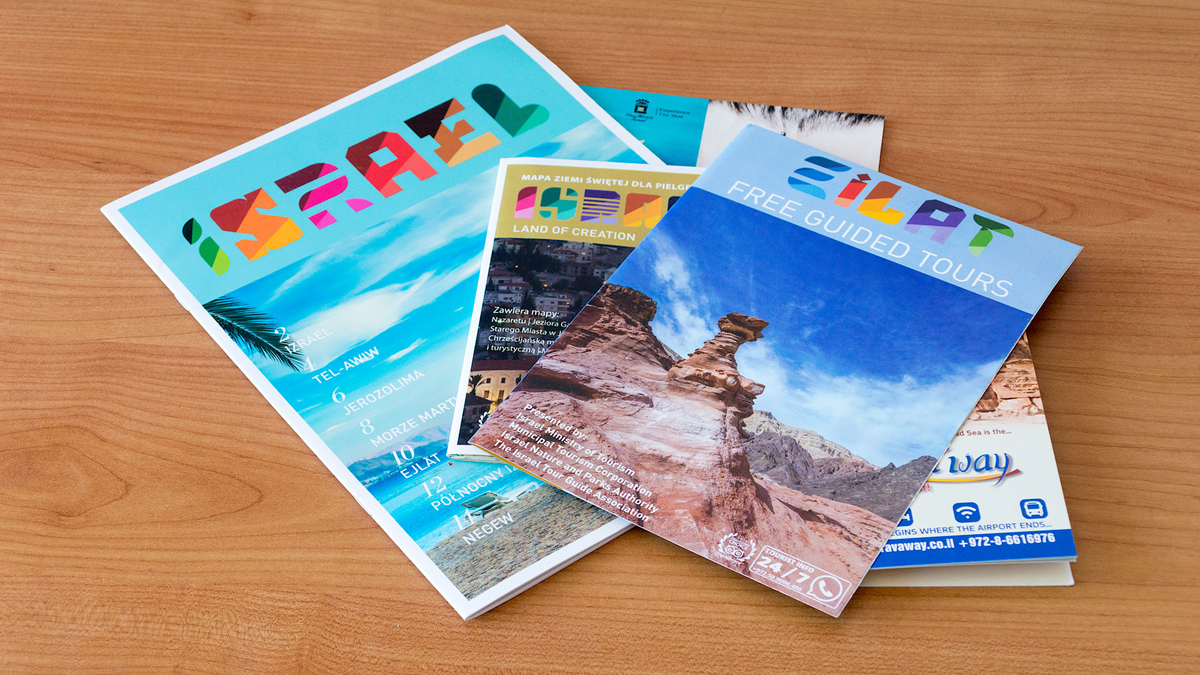
For over a century, the printing industry has been regarded as a relatively mature and stable sector. However, as market demand diversifies and the wave of digitalization accelerates, printing is undergoing a profound transformation. In the era of Industry 4.0, intelligence and automation have become the keywords of competitiveness. From AI (Artificial Intelligence) to IoT (Internet of Things), and the rise of post-press automation, these technologies are quietly reshaping every step of the printing process. Printing is no longer just about reproducing text and images; it is evolving into an era of “smart manufacturing” that is more efficient, precise, and environmentally friendly.
2025-08-26 11:58:58

From construction sites to home renovations, ladders play an indispensable role in both our daily lives and various industries. With a global rebound in construction investment, the rise of home improvement trends, and increasing attention to safety regulations worldwide, the ladder market is entering an unprecedented period of growth. Yet, opportunities come with challenges: from international safety certifications to diverse application demands, ladder manufacturers must demonstrate innovation and flexible supply capabilities to stand out on the highly competitive global stage. Amid this wave, CHIAO TENG HSIN Enterprise Co., Ltd. is steadily climbing new heights, leveraging its three core strengths—comprehensive certifications, rigorous quality management, and a diverse product portfolio.
2025-08-26 11:55:40
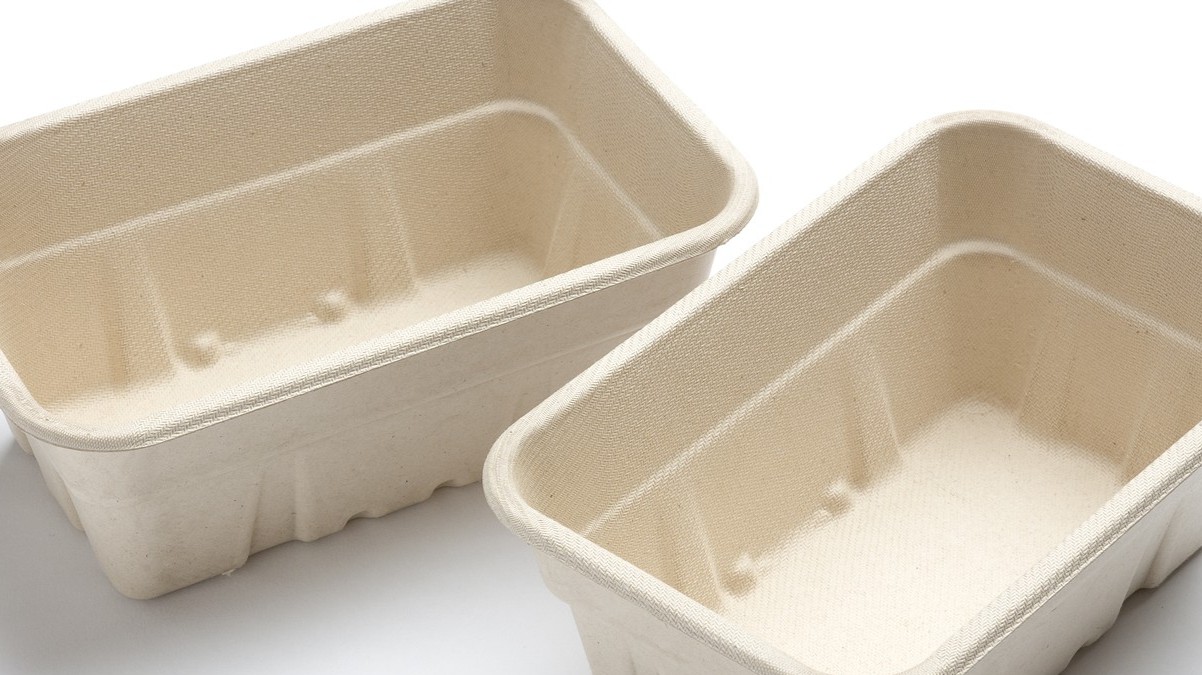
Imagine a typical morning, a warm drink in your hands, held in what looks like an eco-friendly paper cup. You think to yourself, "At least it's not plastic. It must be better for the environment." But have you ever wondered how that paper container holds a hot liquid without leaking? Can it really be recycled with ease? The truth is, there are hidden secrets about packaging materials you may not know.
2025-08-26 11:40:53
Amid a rising global environmental consciousness and increasingly strict regulations, the manufacturing industry is undergoing an unprecedented materials revolution. Traditional plastic packaging is being phased out by consumers and businesses, replaced by recyclable and compostable paper-based materials. This shift from conventional methods to sustainable solutions isn't just a technological change; it's a reflection of corporate social responsibility. At the forefront of this transformation is Win Shine Machinery Co., Ltd., a Taiwanese company leveraging its deep expertise and forward-thinking smart solutions to become a key force in green manufacturing.
2025-08-26 11:34:35

Is your impression of a bathroom still defined by the stereotype of "tiles, grout, and coldness"? In international architecture and design, the bathroom is evolving from a purely functional space into a crucial indicator of a building’s quality and brand value. This transformation is driven by a comprehensive upgrade in material innovation, manufacturing craftsmanship, and smart technologies. Yu Home International Co., Ltd. leverages five core technologies—smart design, durable materials, project customization, green initiatives, and international certifications—to not only create products that align with market trends but also to prove the reliability and differentiation of its solutions in diverse projects, including post offices, apartment complexes, and restaurants.
2025-08-26 10:46:30

Positioned at the forefront of the rapidly evolving global electronics industry, LIN HORN leverages its outstanding PCB technology and innovation to focus on developing and manufacturing high-quality multilayer rigid circuit boards for sectors like servers, networking, consumer electronics, and automotive electronics. Facing the challenges and opportunities brought by emerging technologies such as 5G, AI, and the Internet of Things, the company continuously drives technological upgrades, process optimization, and eco-friendly manufacturing. Guided by its core values—“Quality First, Customer Priority, Innovation and Adaptability, and Sustainable Operation”—LIN HORN aims for steady growth and long-term competitiveness, striving to be the most trusted partner for its customers while actively contributing to society and the environment to promote sustainable industry development.
2025-08-26 10:16:54
.jpg)
The aerospace industry demands extremely high standards for component precision, lightweight design, and durability, and CNC (Computer Numerical Control) technology is a key enabler to meet these requirements. It is widely used in the production of critical parts such as turbine blades, airframe structures, and landing gear. With the global aerospace market expected to grow from USD 900 billion in 2023 to USD 1.2 trillion by 2030 (CAGR ~4.2%), CNC technology, with its micron-level precision and automation capabilities, not only helps improve aircraft fuel efficiency by around 10% but also ensures all components comply with the stringent AS9100D certification standards, making flight safer and more reliable.
2025-08-26 10:06:19
.jpg)
The core requirements for food processing equipment lie in safety, efficiency, and durability. CNC (Computer Numerical Control) technology, with its precision and automation advantages, has become a key enabler in the manufacturing of slicers, packaging machines, mixers, and other equipment. With the global food processing equipment market projected to grow from USD 55 billion in 2023 to USD 75 billion by 2030 (a CAGR of approximately 4.5%), CNC is driving the industry toward greater intelligence and efficiency.
2025-08-26 10:02:34
.jpg)
In the sports equipment industry, CNC (Computer Numerical Control) machines are the key driver for high product performance, extended durability, and enhanced market competitiveness. From golf clubs to bicycle frames, CNC machining combines high precision and flexibility, not only meeting the strict quality demands of professional athletes but also providing efficient and customizable manufacturing solutions for buyers.
2025-08-26 09:57:49
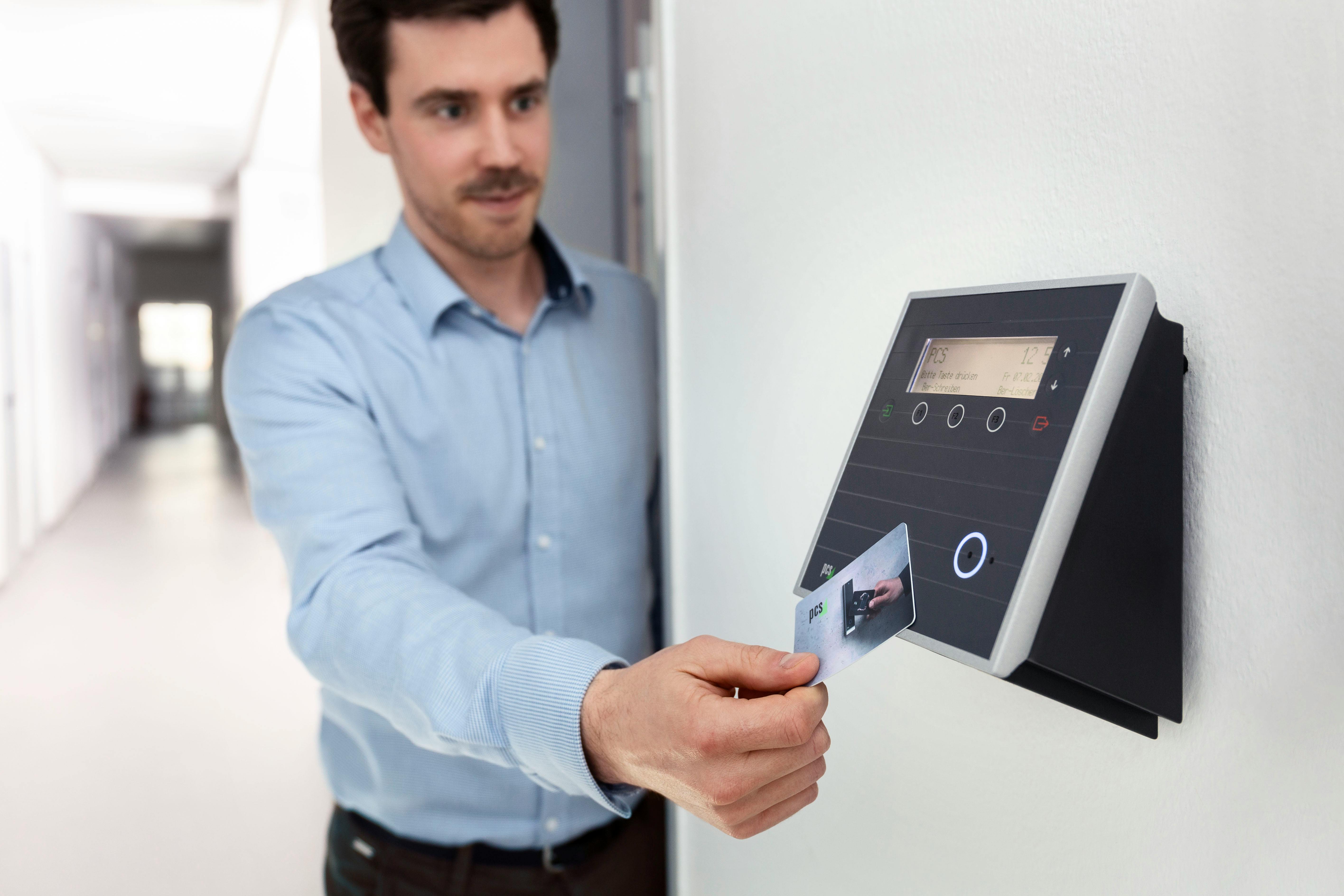
Founded on July 18, 2000, Chiyu Technology Co., Ltd. has spent over two decades cultivating its expertise and has become a leading brand in security and access control systems. The company’s strong R&D capabilities and local manufacturing prowess are widely recognized. Since its inception, Chiyu Technology has actively developed fingerprint recognition, RFID access control devices, and TCP/IP industrial automation solutions, spanning diverse market demands and transformational phases.
2025-08-26 09:27:42
Hot Topic
Agree