
- Showing results for
- CNC Machine Tool
.jpg)
When comparing a CNC punching press with a CNC laser cutting machine, the best answer is rarely “one is better than the other.” The real question is which process creates the most value for a specific mix of part geometry, batch size, material flow, and downstream operations.
2026-08-21 14:15:24
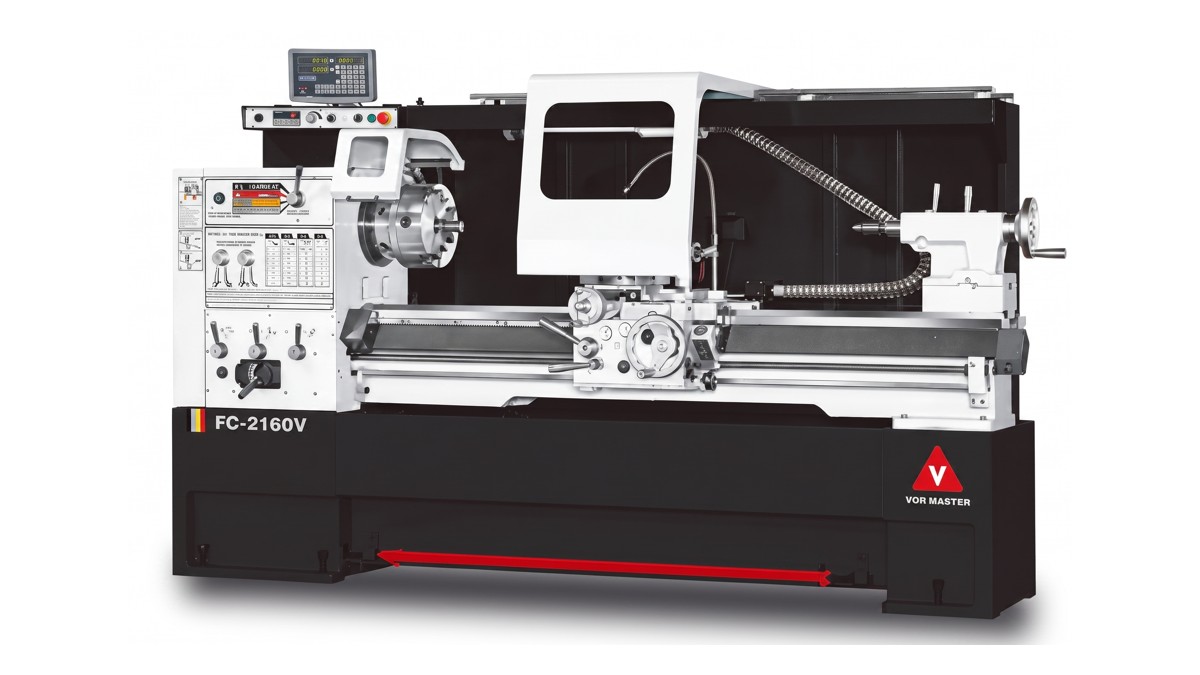
The right machine is not always the most automated one, but the one that delivers the required part with the greatest speed, flexibility, and confidence.
2026-08-20 12:14:55
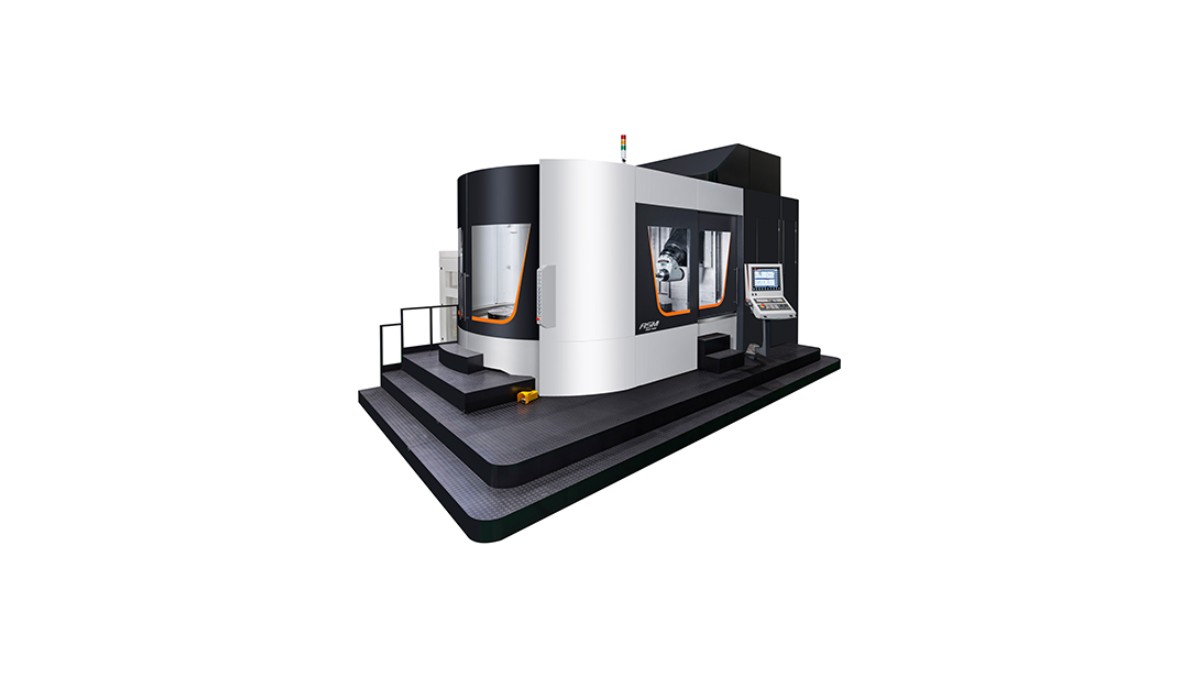
Find the Real Production Bottleneck Before Choosing Automation
2026-08-19 10:25:25
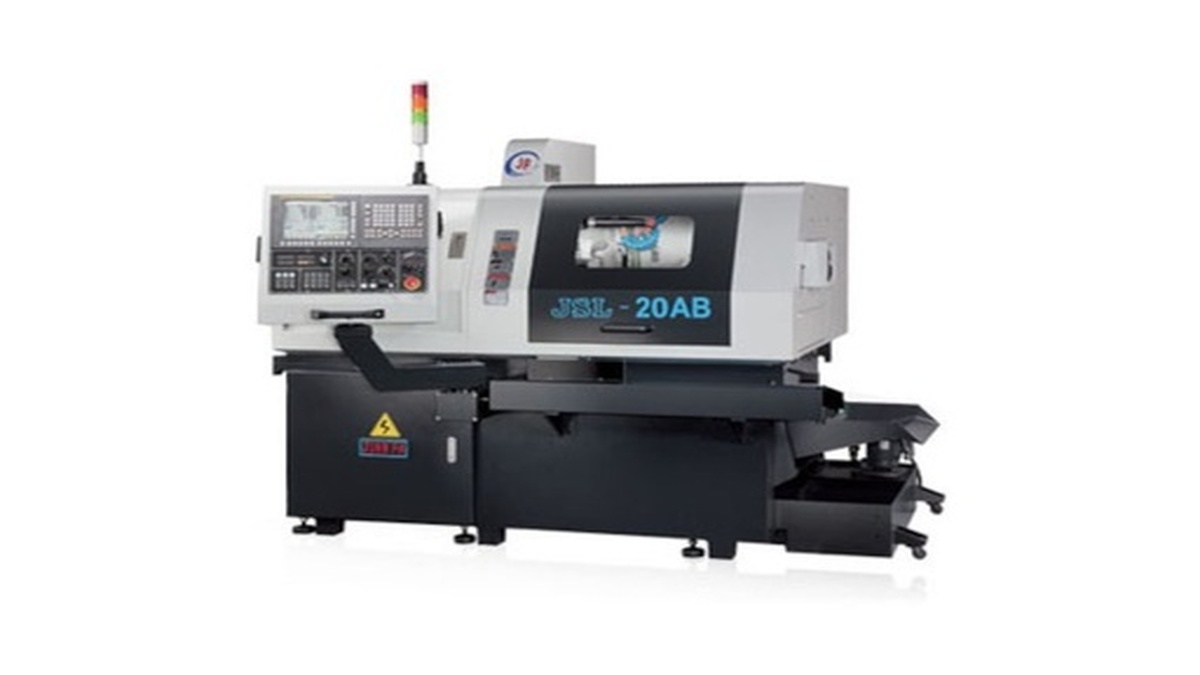
CNC Swiss-type lathes deliver the precision and production efficiency medical components demand.
2026-07-27 12:05:30
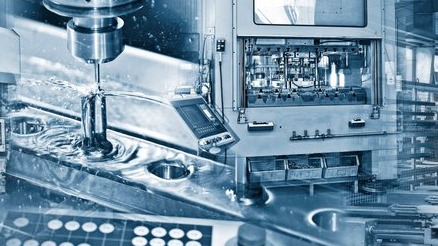
AI, IoT, and digital twins are driving machine tool upgrades, helping manufacturers reduce downtime, improve quality, and build smarter production lines.
2026-07-23 11:05:54
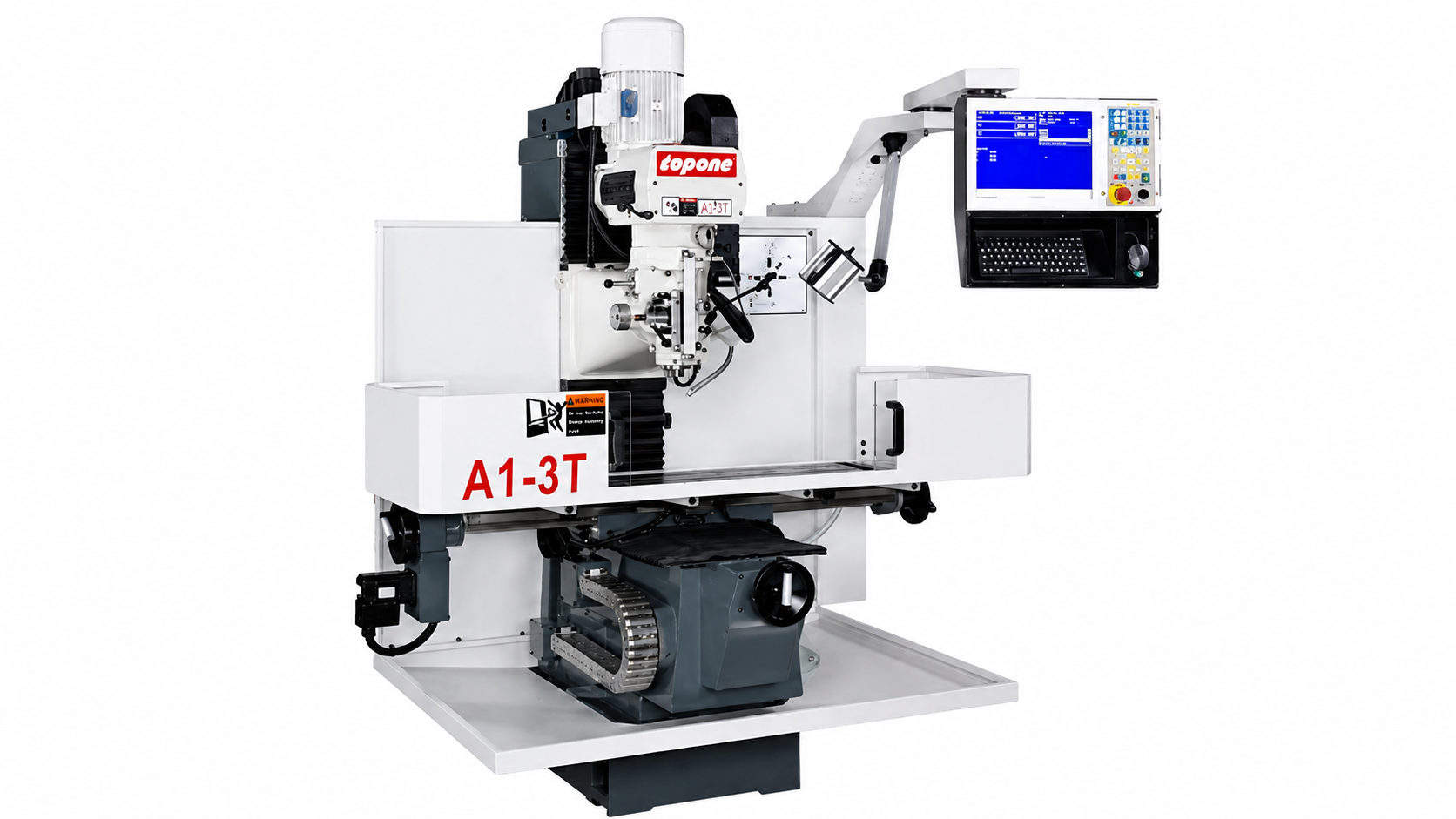
Why Choosing Between a Knee Mill and a CNC Bed Mill Matters
2026-06-09 17:24:22

JIMTOF 2026, the 33rd JAPAN INTERNATIONAL MACHINE TOOL FAIR, will take place at Tokyo Big Sight from October 26 to 31, 2026. The event will feature machine tools, accessories, precision instruments, software, and related manufacturing technologies.
2026-05-26 13:39:12
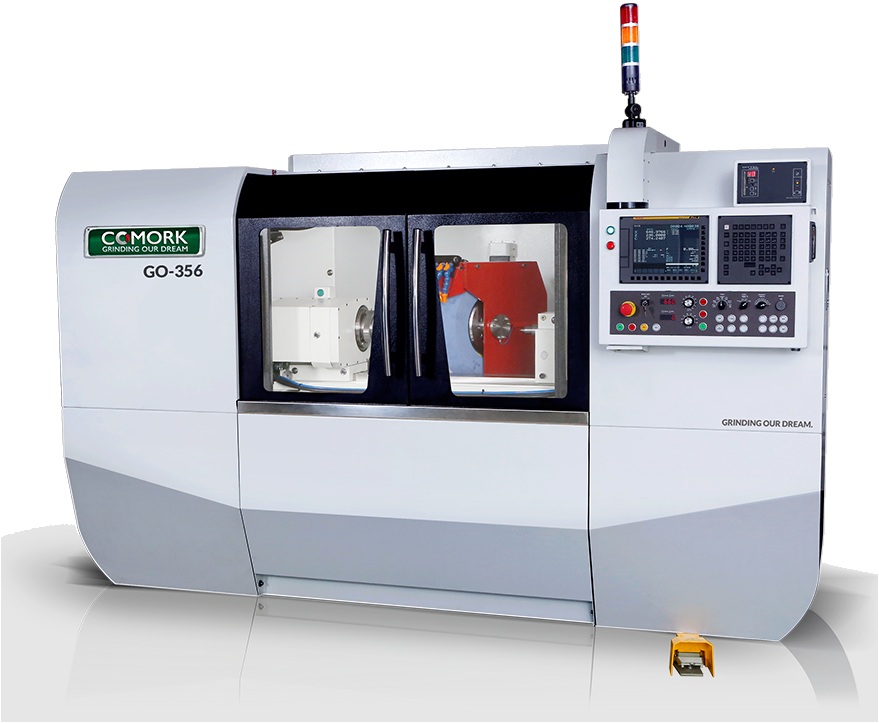
A neutral overview of how automated work handling is changing cylindrical grinding, from part consistency and labor efficiency to safety and smart manufacturing integration.
2026-05-19 16:17:56
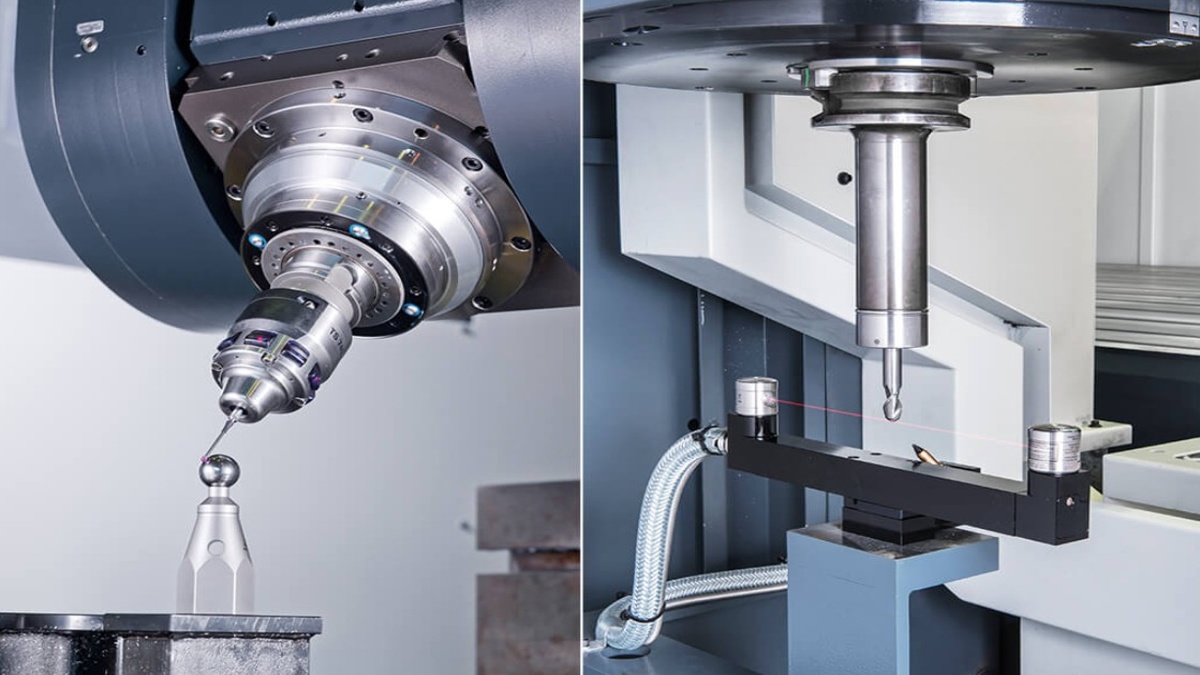
Selecting a cnc machining center for semiconductor equipment and precision industrial components is not simply a matter of comparing specifications on a brochure. For procurement teams, factory owners, process engineers, and equipment builders, the more important question is this: which machining platform can consistently deliver the required accuracy, surface quality, material compatibility, production efficiency, and long-term reliability without creating unnecessary cost or process risk? In semiconductor-related manufacturing, tolerance for instability is extremely low. Components such as vacuum chambers, structural frames, heat exchangers, cooling plates, tooling bases, precision fixtures, and motion-related housings often require not only dimensional precision, but also repeatable performance over long production cycles. Even if a part is not directly wafer-facing, its machining quality can still affect assembly accuracy, sealing performance, thermal behavior, vibration control, and overall equipment uptime. This article explains how buyers and technical teams can evaluate a cnc machining center for semiconductor equipment and precision industrial applications from a practical, decision-oriented perspective.
2026-05-12 15:10:50

Precision machining has become increasingly dependent on the performance of the CNC machine tool holder, a component often underestimated in its influence on accuracy, surface finish, and tool life. With today’s high-speed spindles, multi-axis machining centers, and micro-tolerance production standards, the interaction between dynamic balance, runout behavior, and clamping mechanics has never been more critical. This article provides a neutral, engineering-focused analysis of these performance factors and introduces several leading global manufacturers contributing to advancements in tool-holding technology.
2026-03-02 17:06:33

An analysis of how cleaner air leads to longer machine life and lower costs in the CNC industry.
2025-12-15 15:53:19

Taiwan's lathe industry, a cornerstone of the global machine tool sector, is currently at a critical juncture. Known for its expertise in mid-to-high-end CNC lathes and multi-axis machining centers, the industry has a storied history of evolution and resilience. However, the late 2025 landscape is complex, demanding strategic agility to overcome intense international competition and technological shifts.
2025-12-08 09:38:47
.jpg)
The aerospace industry demands extremely high standards for component precision, lightweight design, and durability, and CNC (Computer Numerical Control) technology is a key enabler to meet these requirements. It is widely used in the production of critical parts such as turbine blades, airframe structures, and landing gear. With the global aerospace market expected to grow from USD 900 billion in 2023 to USD 1.2 trillion by 2030 (CAGR ~4.2%), CNC technology, with its micron-level precision and automation capabilities, not only helps improve aircraft fuel efficiency by around 10% but also ensures all components comply with the stringent AS9100D certification standards, making flight safer and more reliable.
2025-08-26 10:06:19
.jpg)
The core requirements for food processing equipment lie in safety, efficiency, and durability. CNC (Computer Numerical Control) technology, with its precision and automation advantages, has become a key enabler in the manufacturing of slicers, packaging machines, mixers, and other equipment. With the global food processing equipment market projected to grow from USD 55 billion in 2023 to USD 75 billion by 2030 (a CAGR of approximately 4.5%), CNC is driving the industry toward greater intelligence and efficiency.
2025-08-26 10:02:34
.jpg)
In the sports equipment industry, CNC (Computer Numerical Control) machines are the key driver for high product performance, extended durability, and enhanced market competitiveness. From golf clubs to bicycle frames, CNC machining combines high precision and flexibility, not only meeting the strict quality demands of professional athletes but also providing efficient and customizable manufacturing solutions for buyers.
2025-08-26 09:57:49
.jpg)
Have you ever wondered why smartphones are becoming increasingly thinner? Driven by user convenience and portability, devices are shrinking while still retaining the functionality of previous generations, or even upgrading it, all while becoming lighter and slimmer. The key behind this lies in CNC (Computer Numerical Control) machine technology, which plays a central role in consumer electronics manufacturing. The consumer electronics industry encompasses smartphones, laptops, wearable devices (such as smartwatches), and various household appliances. These products demand extremely high standards for aesthetic design, structural precision, and functional performance. CNC technology is primarily applied in precision component machining, casing production, thermal management components, and customized designs.
2025-08-26 09:54:45
.jpg)
CNC technology is an automated system that precisely controls machinery through computer programs, widely applied across various manufacturing sectors. The robotic arm industry encompasses both industrial uses (such as assembly and welding) and service applications (such as latte art or maintenance). In Japan, for instance, people with disabilities can remotely operate robots from home for work. This industry is visibly experiencing rapid growth. According to 2025 market data, the global robotics market is expected to reach USD 50.8 billion, with service robots accounting for USD 40.58 billion, demonstrating strong growth potential. The application of CNC in the robotic arm industry extends beyond component manufacturing to control systems and versatile task execution.
2025-08-26 09:51:33
.jpg)
When discussing the energy transition, attention often falls on the surface area of solar panels, the blades of wind turbines, or the massive structures of nuclear power plants. Yet behind these world-changing energy systems, the critical components that drive solar, wind, and nuclear operations rely heavily on precision-manufactured CNC machines. Often hailed as the “brains of manufacturing,” these machines, with micron-level precision and highly automated capabilities, serve as the invisible engine powering technological breakthroughs and future innovations in the energy sector.
2025-08-26 09:40:10
.jpg)
Traditional woodworking has long been synonymous with craftsmanship. In the past, the meticulous shaping of wood required artisans wielding hand planes, relying on time and experience to perfect every piece. Today, however, we live in an era of automation, and CNC (Computer Numerical Control) machinery has become the backbone of modern woodworking. Through precise computer control and high-speed processing, CNC enables wood cutting, carving, and complex shaping with exceptional accuracy and consistency. The woodworking industry is entering a new phase centered around digital control, ushering in higher quality and greater value-added production.
2025-08-26 09:35:57
.jpg)
Traditionally, a car window’s main function is to shield occupants from wind and rain. Today, however, modern automotive windows have evolved to incorporate multiple convenience and safety features. High-end vehicles often feature acoustic glass, which uses multi-layer structures with sound-dampening films to effectively block wind and road noise, allowing passengers to enjoy a quiet cabin even at high speeds. Meanwhile, tempered glass undergoes specialized manufacturing processes to ensure that, upon impact, it shatters into small, uniform pieces, reducing the risk of injury and complying with the latest safety regulations. This integration of precision engineering relies heavily on CNC (Computer Numerical Control) machinery. From maintaining uniform glass thickness and precise curvature to ensuring perfect adhesion between layers, even the slightest deviation can compromise noise insulation, thermal performance, and safety. Automakers therefore demand exceptionally high-quality standards from window manufacturers, as these components directly impact brand image and, more importantly, driver and passenger safety.
2025-08-26 09:33:38
Agree