NC is the most important revolution since the first industrial revolution in the manufacturing industry. Since its successful development in 1950, NC technology has been undergoing important developments in hardware and software.
Manufacturing competitiveness
The computerized value control machine tool (CNC) has become the current manufacturing industry to increase production, faced with strong competition.
To know CNC, it must start from NC. NC is the abbreviation of "Numerical Control", Chinese translation for numerical control, because it is Numerical, clearly shows that the use of numerical values to control the movement of machinery and equipment, and through some simple digital control components, such as counters and thermometers. It appears to replace manual control.
Therefore, in the era of NC numerical control, numerical control is used, not the current concept of digitization. At this time, preliminary computer tools have also begun to be used to program and design the path of cutting machine tools. Numerical data such as letters, numbers, and symbols are used to compile processing instructions. To control the operation and movement of the machine, these instructions are called machining programs or NC programs.
From NC to CNC computer brings automation change
The origin of NC numerical control is about the United States in the 1940s. At that time, because the US Air Force wanted to produce helicopter propellers, it required a lot of precision machining. So they entrusted civil mechanical engineers to carry out related research and development. By 1949, the Massachusetts Institute of Technology was commissioned by the US Air Force to begin research on numerical control, and cooperated with Parsons at the time to develop the technology of contour cutting and milling machines. It didn't take long for the first numerical control working machine to be released (in the 1950s).
With the successful experience in cutting and milling machines, numerical control technology has also been widely used in other metal processing fields, and the technology has been continuously improved.
In the 1970s, with the rapid development of semiconductor technology, computers (personal computers) also began to enter the consumer and commercial markets on a large scale. New-type micro-control processing chips have also been used in NC machines. Powerful, various multi-axis processing machines have also been born, and the applied processing field is also wider, so the concept of CNC (Computer Numerical Control) is gradually generated.
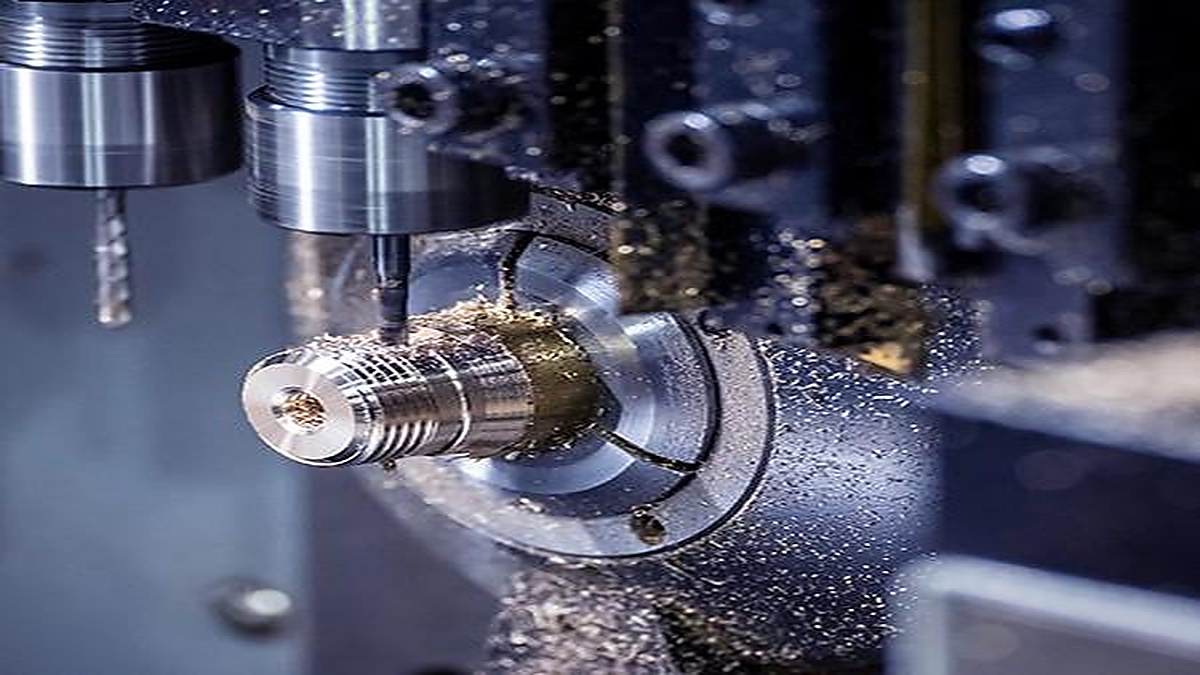
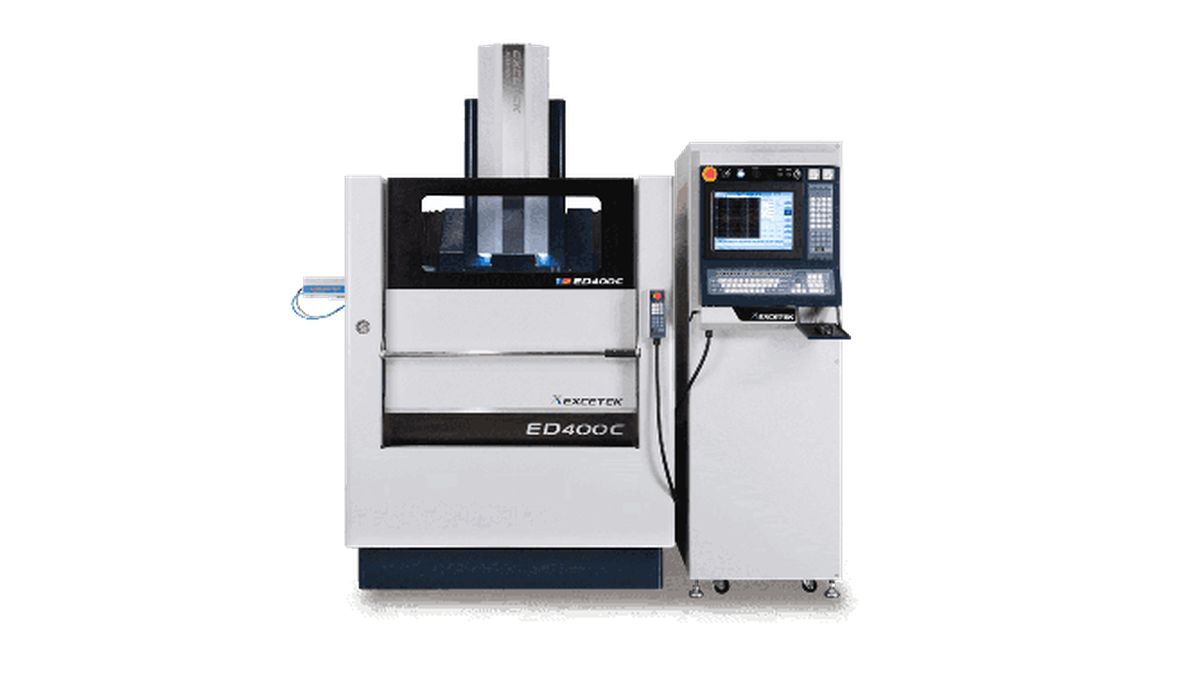
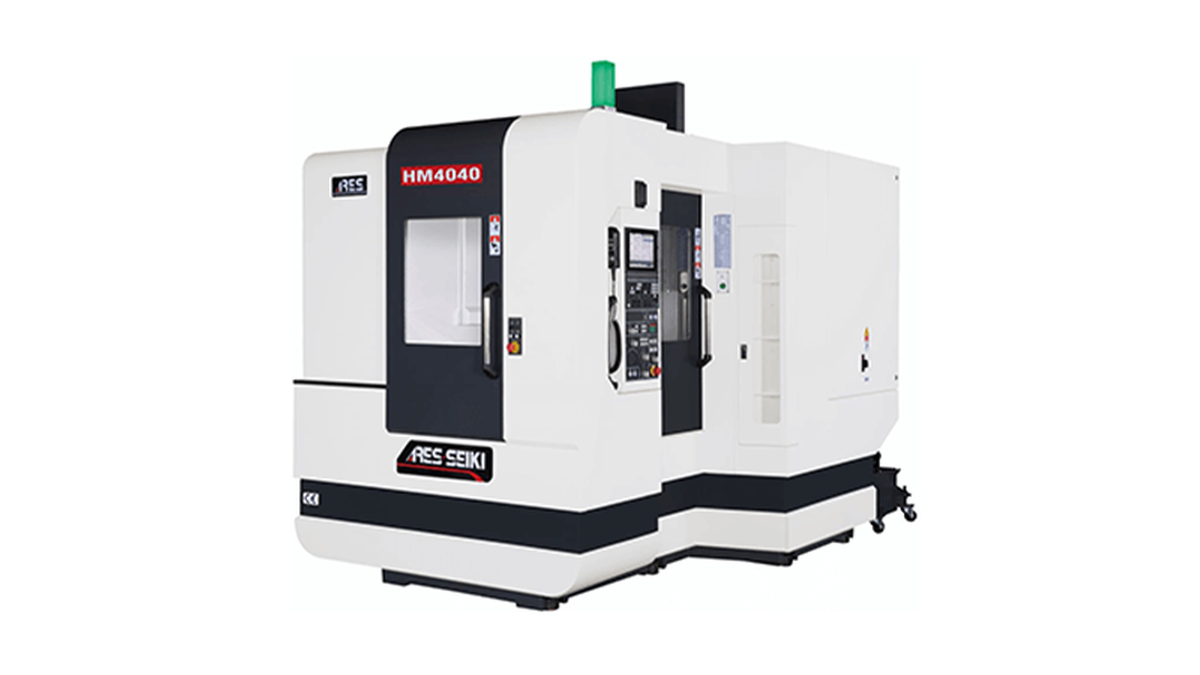
In the age of CNC, the process of manufacturing has been different. Due to the use of computers, the flow of processing design has been converted to a more comprehensive digital form. It first edits the instructions and additions through the computer, and then sends them to the automatic machine tool for processing. Most current machine tools have adopted the CNC mechanism, and the computer not only intervenes on the design side, but also plays the role of integrated control and production.
With the continuous advancement of computer technology and applications, more complex workpiece design and production have also been realized, especially the application of CAD and CAM, which has further strengthened the overall production capacity of CNC machine tools. These software can not only design the workpiece, but also calculate the movement instructions in various processing processes, and pass these digitalized instructions to the processing machine through the computer control system of the machine tool. And the motor and various drive systems are carefully and accurately controlled to achieve so-called precision machining, and even more advanced ultra-precision machining.
However, the evolution of processing technology has never stopped, and the current mature CNC technology is not its final completion. Especially after the addition of big data and Internet of Things technology, CNC processing has also entered a new turning point. The era of basic wisdom manufacturing.






.jpg)