LEO Leads the Smart Cleaning Revolution for a Cleaner, Sustainable Future
Firm News

LEO Leads the Smart Cleaning Revolution for a Cleaner, Sustainable Future

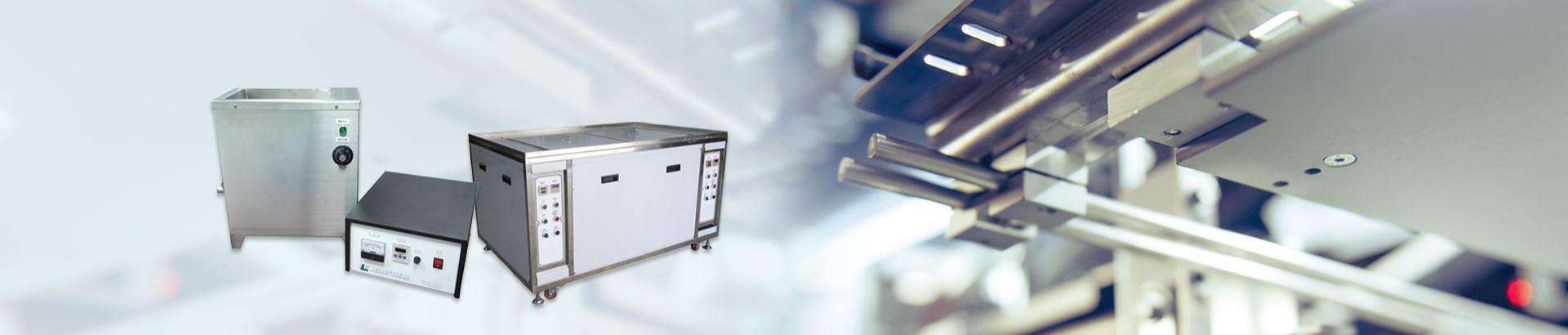
LEO proudly introduces its latest dual-frequency ultrasonic cleaning system, integrating automatic lifting and intelligent control for a significant breakthrough in cleaning processes across industrial and medical sectors. This innovation not only enhances cleaning quality and efficiency but also reduces operational risk and labor costs, reinforcing LEO’s core value and competitive edge in precision cleaning technology.
Published: Aug 12, 2025
LEO Leads the Smart Cleaning Revolution for a Cleaner, Sustainable Future

Technology Highlights

  1. Dual-Frequency Vibration Technology (e.g., 28/40 kHz, 40/80 kHz, or 40/120 kHz)
    • Low frequency (e.g., 28 kHz) produces larger cavitation bubbles, effectively removing heavy contaminants such as grease and sticky residues.
    • High frequency (e.g., 80 kHz or 120 kHz) targets fine particles and deep crevices, ideal for delicate areas such as micro wiring on PCBs and optical lens edges.
    • The dual-frequency design ensures more comprehensive and uniform cleaning, achieving both efficiency and quality.
  2. Intelligent Control & Automated Design
    • Integrated PLC control system supports timer settings, frequency switching, and automatic lifting, minimizing manual errors in the cleaning process.
    • User interface and mechanical structure are ergonomically designed to reduce physical strain and improve usability and safety, meeting the demands of modern manufacturing environments.
    • Automatic lifting models allow users to set up hands-free cleaning cycles, with baskets lowering and rising automatically for a highly efficient workflow.
  3. Durable Stainless Steel Construction & Precise Heating Control
    • Constructed with stable-thickness SUS304 stainless steel tanks, offering strong resistance to acids and alkalis, and compatible with various chemical environments and cleaning solvents.
    • Heating temperature can be adjusted from room temperature up to 99 °C (practically reaching about 65 °C), accelerating the cleaning process and enhancing results when used with detergents.

Typical Applications & Key Benefits

  1. Use Cases:
    • Semiconductor & Electronics Industry: Cleaning of PCBs, IC packaging components, optical lenses, electronic parts, etc.
    • Aerospace & Tooling Industry: High-efficiency cleaning of aircraft tire rims, hand tools, and other precision components.
  2. Performance & Benefits:
    • Significantly reduces cleaning time while enhancing decontamination results.
    • Automated systems reduce labor needs and operator error, lowering long-term operational costs.
    • Compatible with a wide range of materials and complex geometries, ensuring consistent cleaning quality and improved process reliability.

Industry Trends & Market Alignment

The global ultrasonic cleaning equipment market is steadily expanding—from USD 2.1 billion in 2024 to an estimated USD 3.9 billion by 2035, with a CAGR of approximately 5.8%. Dual-frequency technology, automation, and energy-saving designs have emerged as key industry trends, perfectly aligning with LEO’s technological direction.

Expertise & Future Outlook

With over 30 years of experience in dual-frequency and intelligent ultrasonic cleaning technologies, LEO offers deep R&D capabilities, customized solutions, and international service experience. The company aims to expand its innovations into smart manufacturing platforms by integrating eco-friendly cleaning agents, IoT-based monitoring, and remote control systems—accelerating its global service deployment and achieving higher levels of automation.

Conclusion

This breakthrough dual-frequency ultrasonic cleaning system delivers high-quality, high-efficiency, and high-safety cleaning solutions across industries. It embodies LEO ’s leadership in precision cleaning and smart manufacturing technologies. Looking ahead, LEO is committed to partnering with industry leaders to build a cleaner, greener, and smarter future for ultrasonic cleaning.

Published by Aug 12, 2025 LEO Ultrasonic Co., LTD

Further reading

You might also be interested in ...

Headline
Firm News
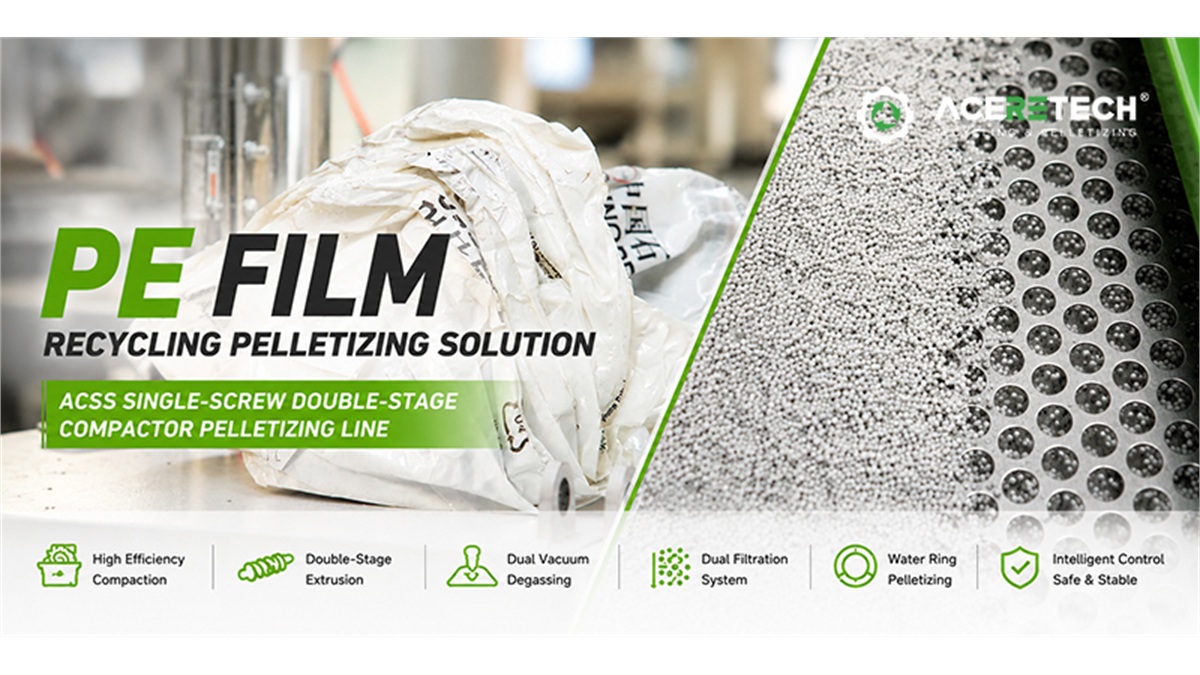
From PE Film Waste to Recycled Pellets: ACERETECH’s ACSS Processing Solution
Integrated compaction, two-stage extrusion, vacuum degassing, and dual filtration address feeding and contamination challenges in PE film recycling.
Headline
Firm News
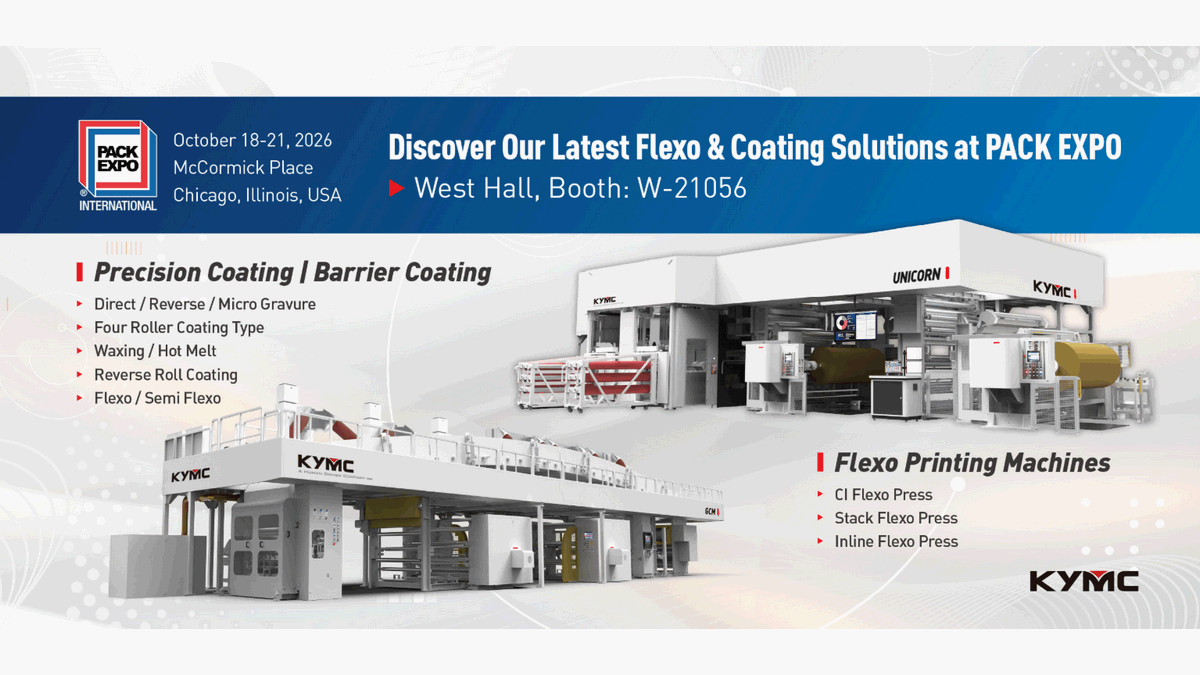
PACK EXPO International 2026 to Pair 150+ Free Learning Sessions with Live Packaging Solutions from Taiwan’s KYMC
Taiwan-based KYMC will showcase integrated flexographic printing and coating solutions, along with the North American debut of its plastic-free and PFAS-free barrier coating technology, at PACK EXPO International 2026 in Chicago.
Headline
Firm News
Textile-to-Textile Recycling: How Discarded Clothes Can Become New Yarns
From poly-cotton waste to regenerated fibers, explore how textile-to-textile recycling brings recovered materials back into textile production.
Headline
Firm News
Acelon to Present Sustainable and Functional Yarn Solutions at TITAS 2026
At TITAS 2026 in Taipei, Acelon will present recycled, dope-dyed, bio-based, and functional yarn solutions for apparel, outdoor, and technical textile development.
Headline
Firm News
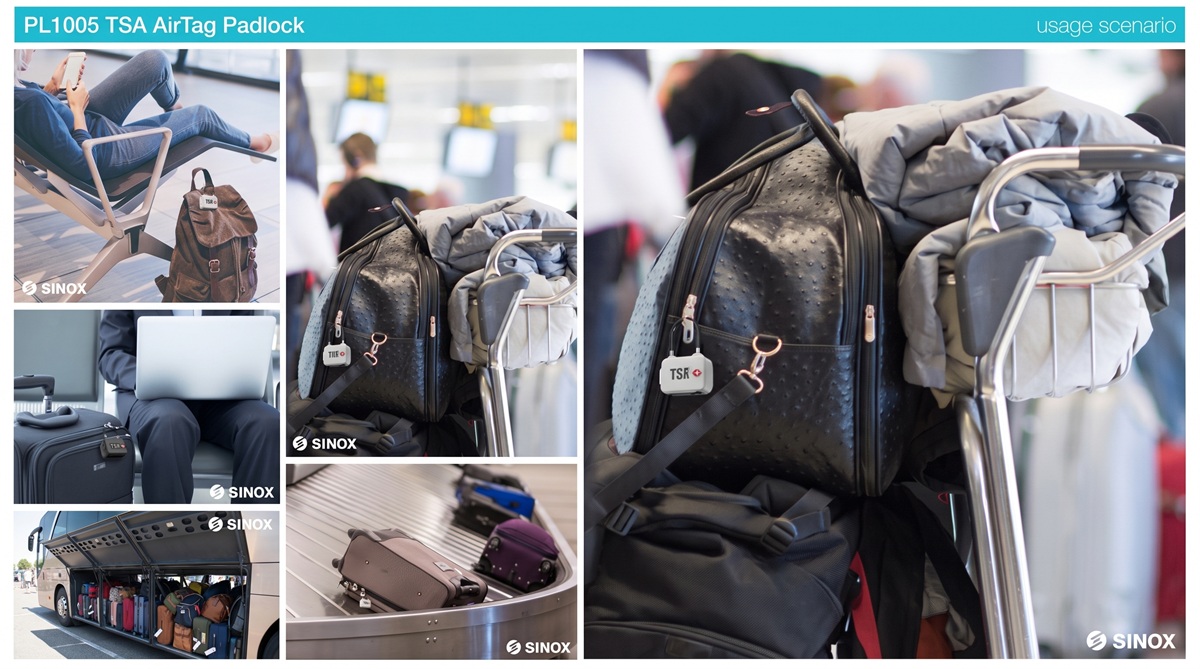
Sinox PL1005 TSA AirTag Padlock Wins Gold at the 2026 Travel Sentry Product Awards
Why Discreet Tracking Is the Next Innovation in Travel Security
Headline
Firm News
SYIC at AMB 2026: Quick-Change Clamping, High-Pressure Coolant and Precision Tool Holding for European Production
SYIC showcases AWC jig tool holders, PSC quick-change clamping systems and high-pressure coolant tool holders at AMB 2026 in Stuttgart, helping European manufacturers reduce non-cutting time and improve machining stability.
Headline
Firm News
EuroBLECH 2026 – Sheet Metal Processing Solutions by Yeh Chiun
Taiwan-based manufacturer to present machinery for sheet metal cutting, forming, deep drawing, and bending in Hanover, Germany.
Headline
Firm News
From Pineapple Leaves to Localized Textile Supply: UKL's 2026 PALF Rollout
How UKL is turning 700,000 tons of pineapple leaves into a localized, low‑carbon textile supply chain in 2026.
Headline
Firm News
Jeremy Lin’s JLIN × PASSION 24: A New Take on Everyday Hydration
How Jeremy Lin and PASSION 24 are bringing zero-added-sugar electrolyte hydration into everyday life.
Headline
Firm News
From Requirements to Mass Production: How Custom Sheet Metal Cabinets Are Developed
Custom sheet metal cabinets require more than fabrication. This article outlines Machan’s disclosed development process, including requirement definition, feasibility assessment, structural development, drawing review, prototyping, pilot production, integrated manufacturing, coating, inspection, and production transition in Taiwan.
Headline
Firm News
How a 25-Tonne Boring Mill Gets Built: Inside Chung Sing Machinery's Cast-Iron-to-Shipment Process
Taiwan's Chung Sing Machinery has been building FORTWORTH-brand boring and milling machines since 1988. For buyers of 12- to 25-tonne machine tools, the purchase decision rests less on the headline spec sheet and more on how the machine was made. Here is what that process looks like.
Headline
Firm News
How to Evaluate Filling Equipment for Multi-Viscosity Lubricant Products
In modern lubricant manufacturing, handling multiple viscosities and container sizes requires more than just a fast machine. This guide breaks down how to evaluate filling equipment based on viscosity stability, changeover efficiency, and full-line workflow integration to ensure long-term operational success and reduce reliance on manual adjustments.
Agree