Ying Pao Chia Partners with Thermolysis Green Energy to Explore Recycled Carbon Fiber Applications in Footwear
Recycled Carbon Fiber in Footwear: Ying Pao Chia and Thermolysis Partner
Published: Nov 04, 2026
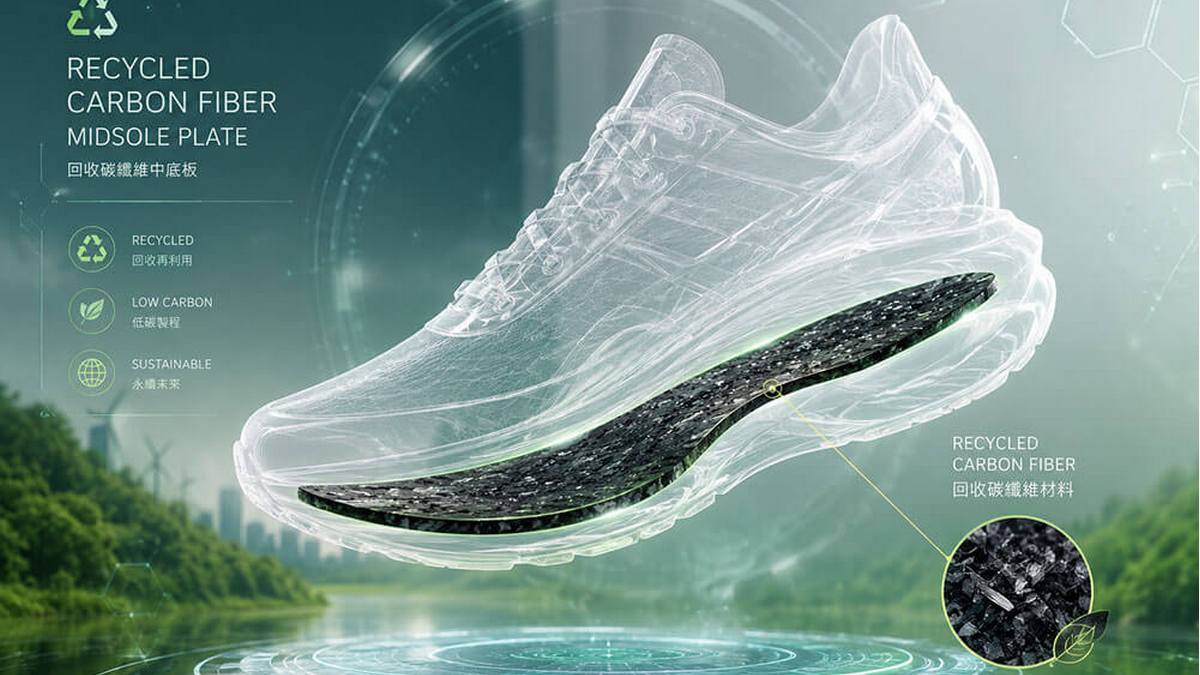
As international footwear brands place greater emphasis on sustainability, material traceability, and supply chain emissions, footwear manufacturers are reviewing the materials used in their products. Recycled materials have become an area of interest as suppliers consider ways to respond to changing sourcing requirements while maintaining product performance.
Against this background, Ying Pao Chia Enterprise has partnered with Thermolysis Green Energy to explore the application of recycled carbon fiber (rCF) in footwear components. The collaboration connects carbon fiber recycling technology with Ying Pao Chia's experience in footwear material manufacturing.
Sustainability Trends Influence Footwear Material Selection
Environmental considerations are becoming increasingly relevant to footwear supply chains. International brands, including Nike, Adidas, and PUMA, have established sustainability targets covering greenhouse gas emissions, resource management, and material sourcing.
These developments are encouraging suppliers to examine how alternative materials may fit into existing manufacturing processes. For footwear components that require specific mechanical properties, material selection involves balancing performance requirements with sourcing and environmental considerations.
Carbon fiber is used in applications where structural properties are important. However, virgin carbon fiber production can be energy-intensive, creating interest in recycled carbon fiber as a potential alternative. Its suitability for footwear applications depends on the characteristics of the recovered material and the requirements of the finished component.
Ying Pao Chia and Thermolysis Green Energy Collaboration
The partnership between Ying Pao Chia and Thermolysis Green Energy focuses on exploring recycled carbon fiber applications in footwear materials.
Thermolysis Green Energy contributes carbon fiber recycling technology, while Ying Pao Chia brings its background in footwear material manufacturing. The collaboration reflects an effort to examine how recycled materials may be incorporated into footwear components as industry expectations evolve.
Several factors remain important when considering rCF for footwear development. Material performance must be evaluated according to the intended application, while manufacturing compatibility depends on the formulation and production processes involved. Information about recycled material content and traceability is also relevant to customers assessing material sourcing.
Although recycled carbon fiber offers a potential alternative to virgin materials, its use requires application-specific evaluation. Recycled content alone does not establish mechanical performance, environmental benefits, or regulatory compliance.
The collaboration highlights Ying Pao Chia's interest in recycled material development within the footwear industry. It also reflects the broader attention being given to cooperation between material manufacturers and recycling technology providers as footwear supply chains consider alternative material options.
Published by Nov 04, 2026
Source: Ying Pao Chia Enterprise – How Taiwan Footwear Material Suppliers Can Win Global Orders with rCF