
Knowledge

OTA programming is to realize the remote control of the data of the mobile device or equipment through communication and use the wireless network to update the database to obtain the latest version.
2022-02-22 08:52:59

The core value of the brain-computer interface: Communication without action. People can communicate with the outside world and even control surrounding objects through the will of the brain without the need to move any part of the body.
2022-02-18 16:21:47

In-mold manufacturing, casting and forging are often used for processing. What is the difference between these two manufacturing processes?
2022-02-10 17:07:49
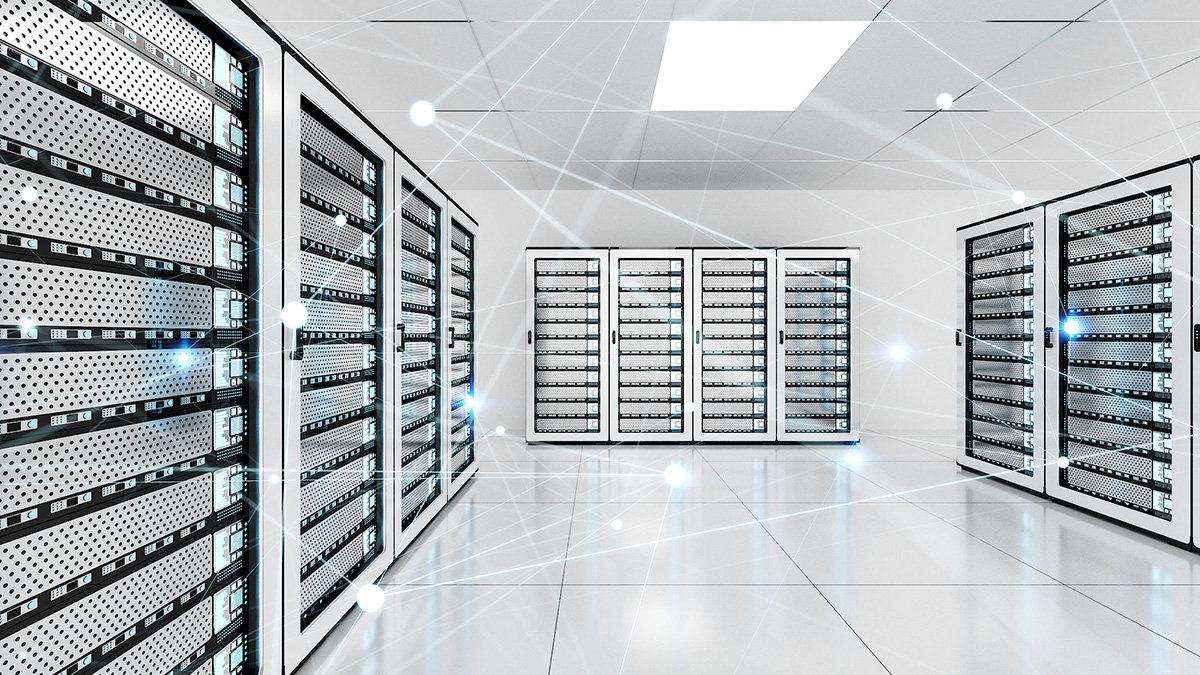
Characteristics of the 5G network include high-speed large-traffic communication, high-reliability, low-latency communication, and large-scale machine-type communication. In the architecture of the 5G network, network slicing will be a key technology.
2022-02-07 11:53:14
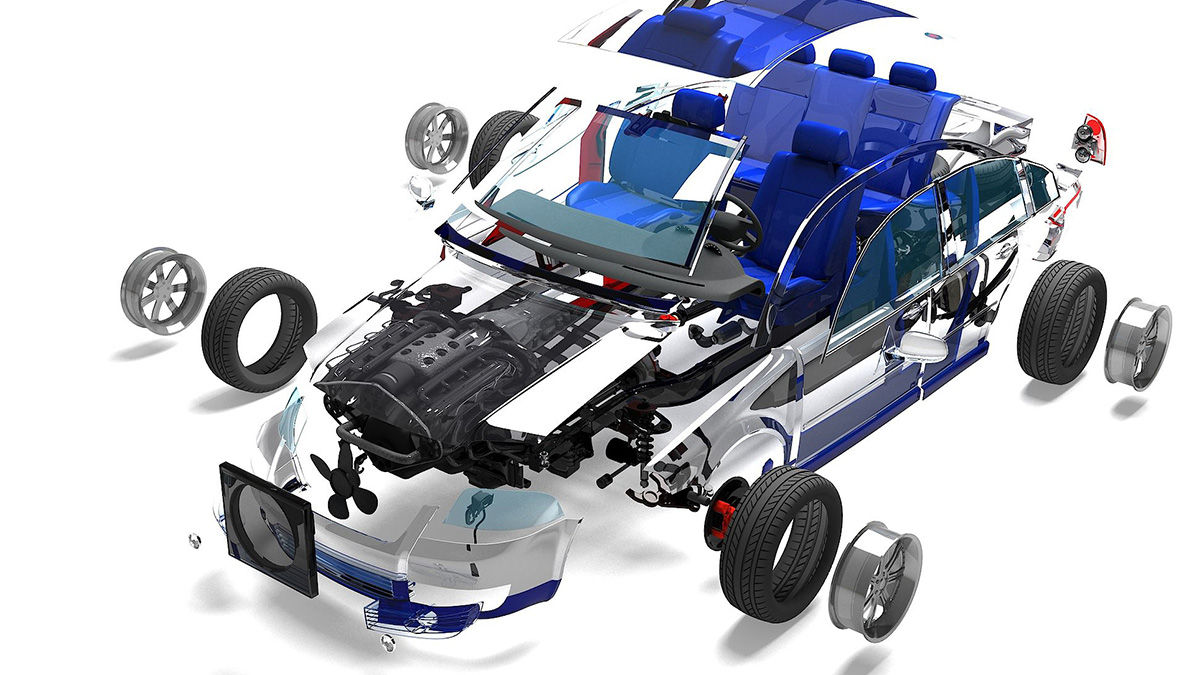
MCUs (microcontroller units) have a wide range of terminal applications, including home appliance controls, automotive electronics, education and entertainment, medical equipment, etc. Among them, automotive electronics and the Internet of Things are the main driving forces of the MCU industry.
2022-01-24 10:56:06
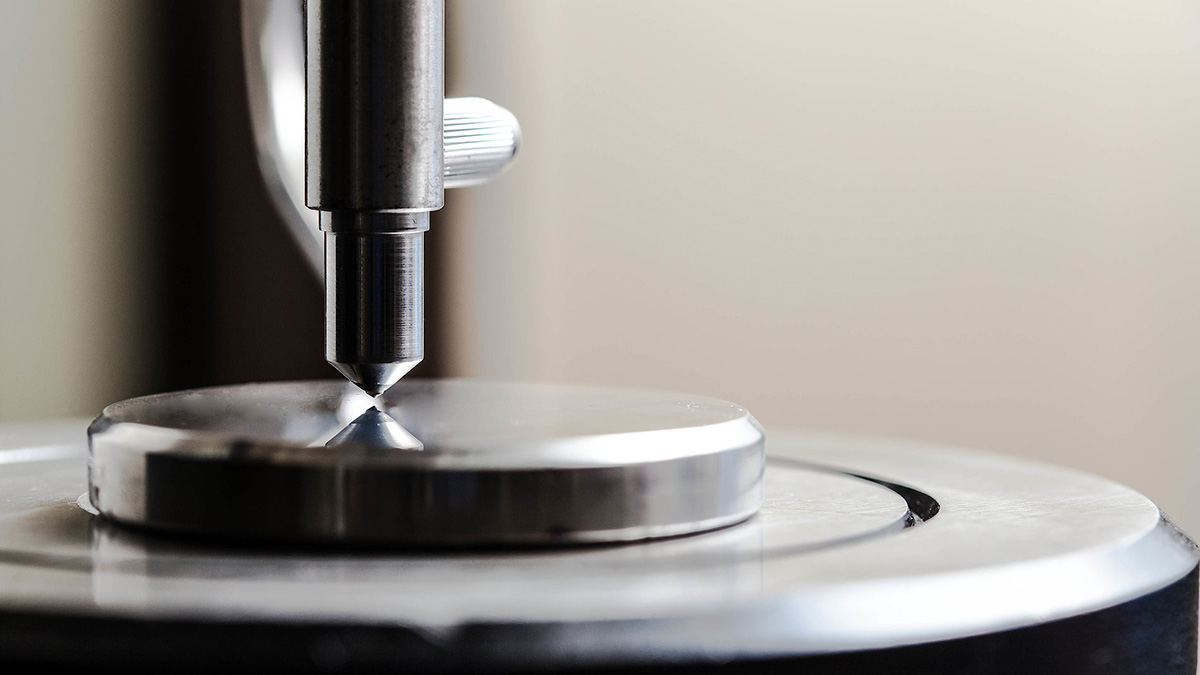
To maintain the accuracy of finished products in the manufacturing industry, rapid detection and adjustment of machine tool performance is essential.
2022-01-21 14:57:05
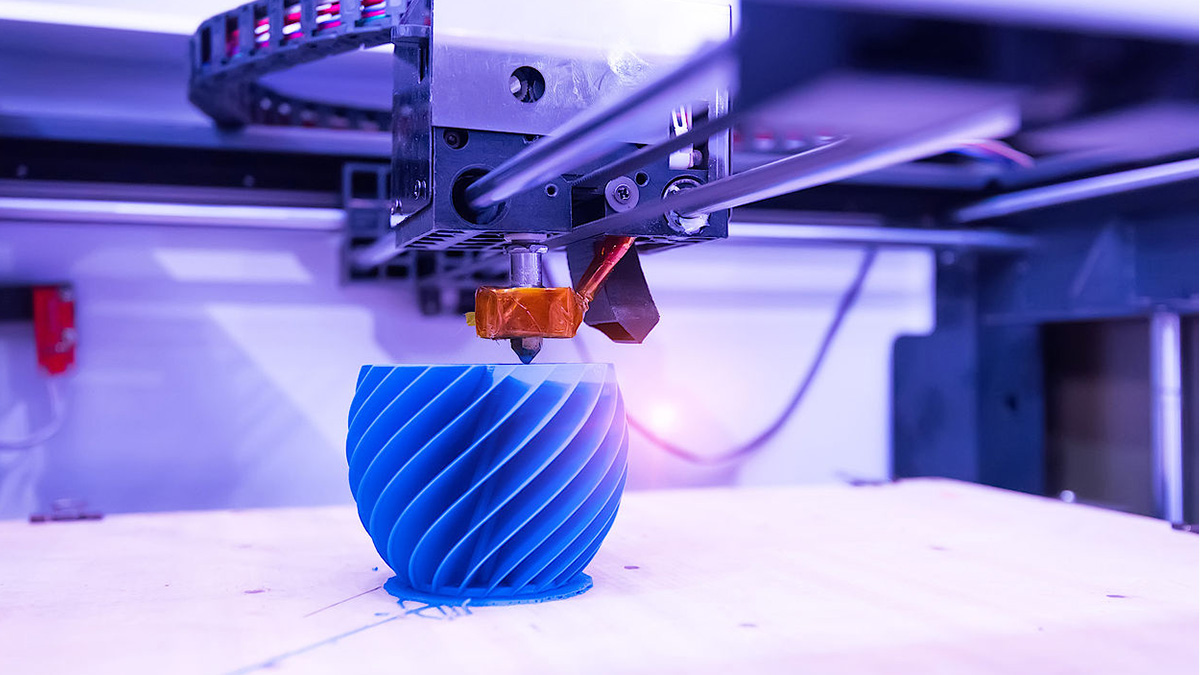
The global manufacturing industry is moving towards intelligent manufacturing, and Industry 4.0 is driving the manufacturing industry towards trends of higher efficiency, lower costs, and intelligent and flexible production. The nine technologies of Industry 4.0 include Big Data, Laminated Manufacturing, Cloud Technology, Automation, System Integration, Internet of Things, Cyber Security, Augmented Reality, and Simulation.
2022-01-21 10:42:18

Natural Language Processing (NLP) is a subfield of computer science and artificial intelligence that focuses on how to get computers to process and analyze large amounts of human natural language data. Common NLP challenges are speech recognition, natural language understanding, machine translation, and natural language generation.
2022-01-19 14:14:12

The NFT market is growing explosively. In January 2021 alone, the transaction volume of NFTs reached a high of 200 million US dollars, compared with 250 million US dollars for the whole year of 2020.
2022-01-17 10:07:14
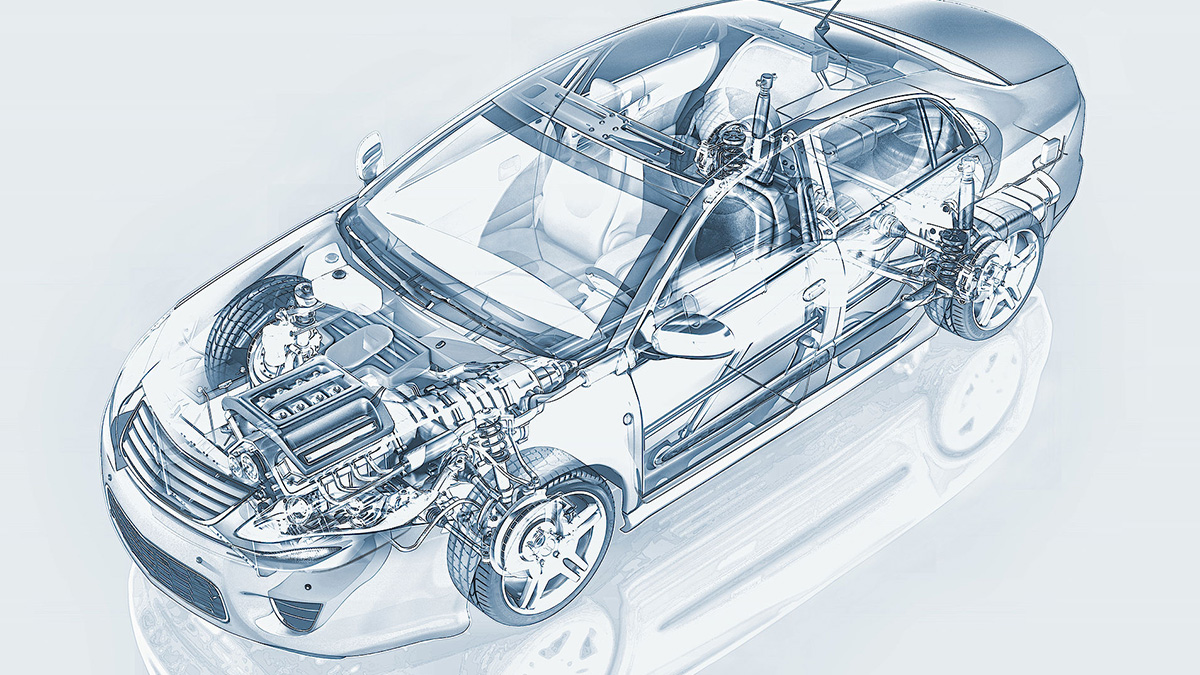
With the development of the electric vehicle market, the braking energy recovery system has received extensive attention, because driving distance can be extended through the braking energy recovery system.
2022-01-13 13:44:58
Hot Topic
Agree