
Knowledge
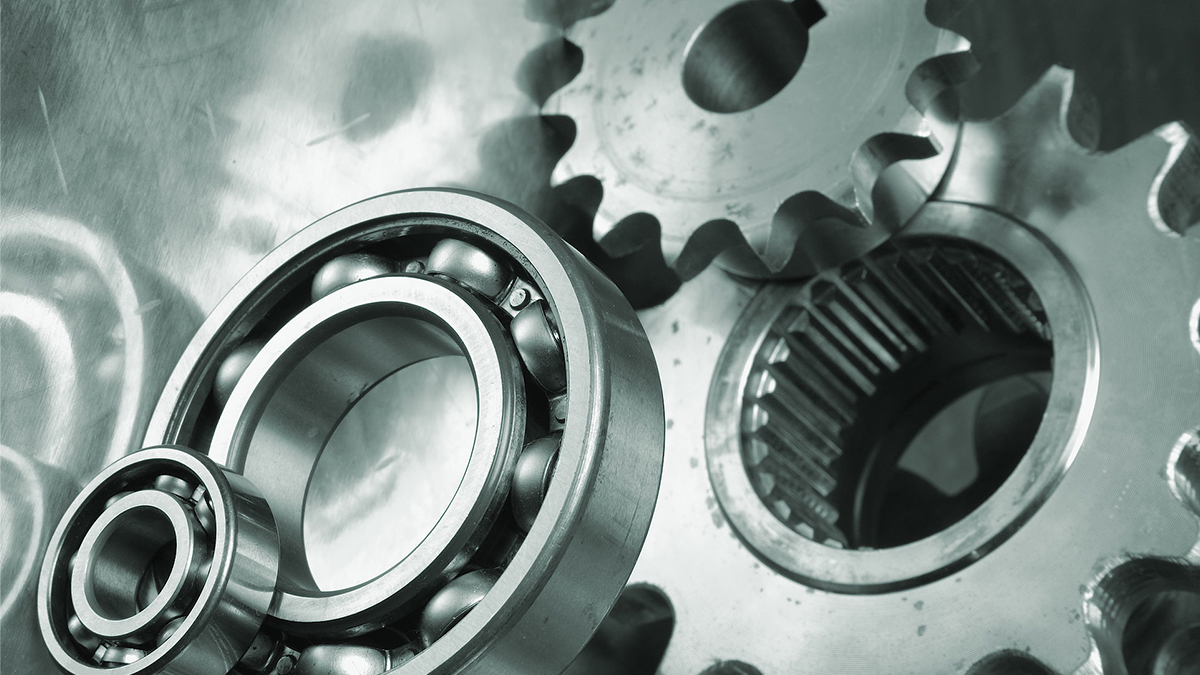
With the constant development of modern technology, the power output of equipment, such as internal combustion engines and motors is getting stronger and stronger. To attain the full efficiency of these power sources, reducers are incorporated.
2021-05-20 16:46:14

Low-temperature treatment is a sub-zero process, which is carried out immediately after quenching and is carried out by continuous tempering. The ultra-cold treatment has a significant improvement in the wear strength of the workpiece and has a breakthrough benefit for the stability of the mold size.
2021-05-05 19:06:21
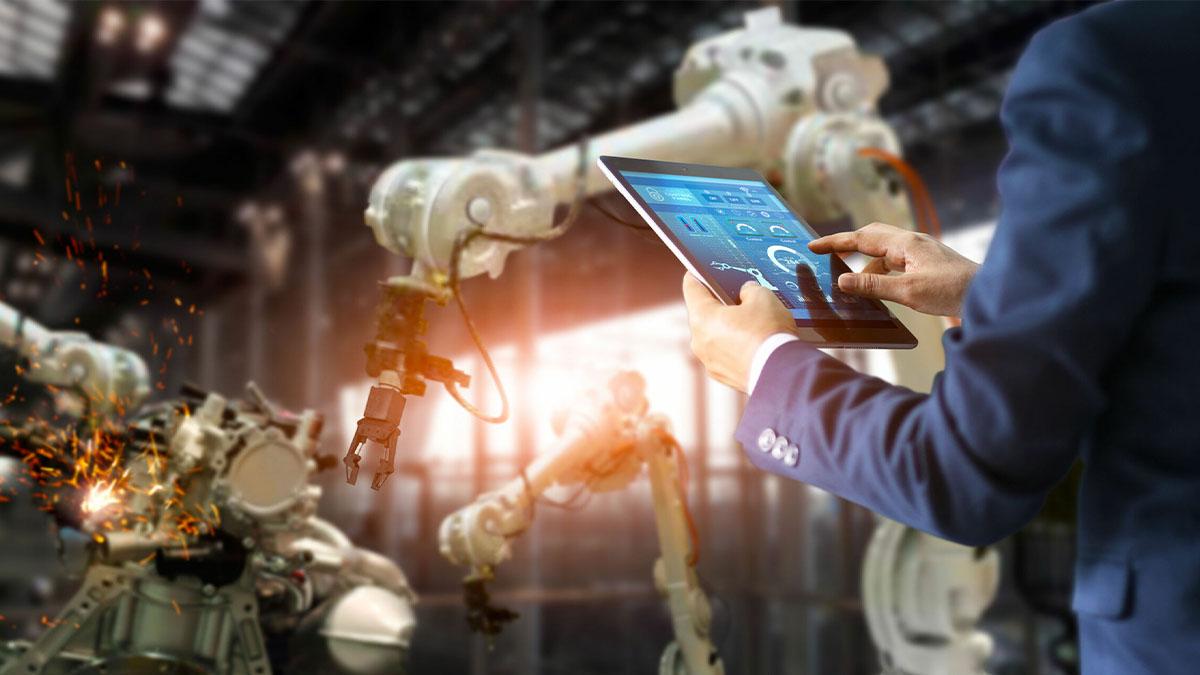
Information is power. Information can not only adjust decision-making but also help discover market opportunities. Use advanced motion control technology to optimize the performance of automated machines.
2021-03-26 10:53:46
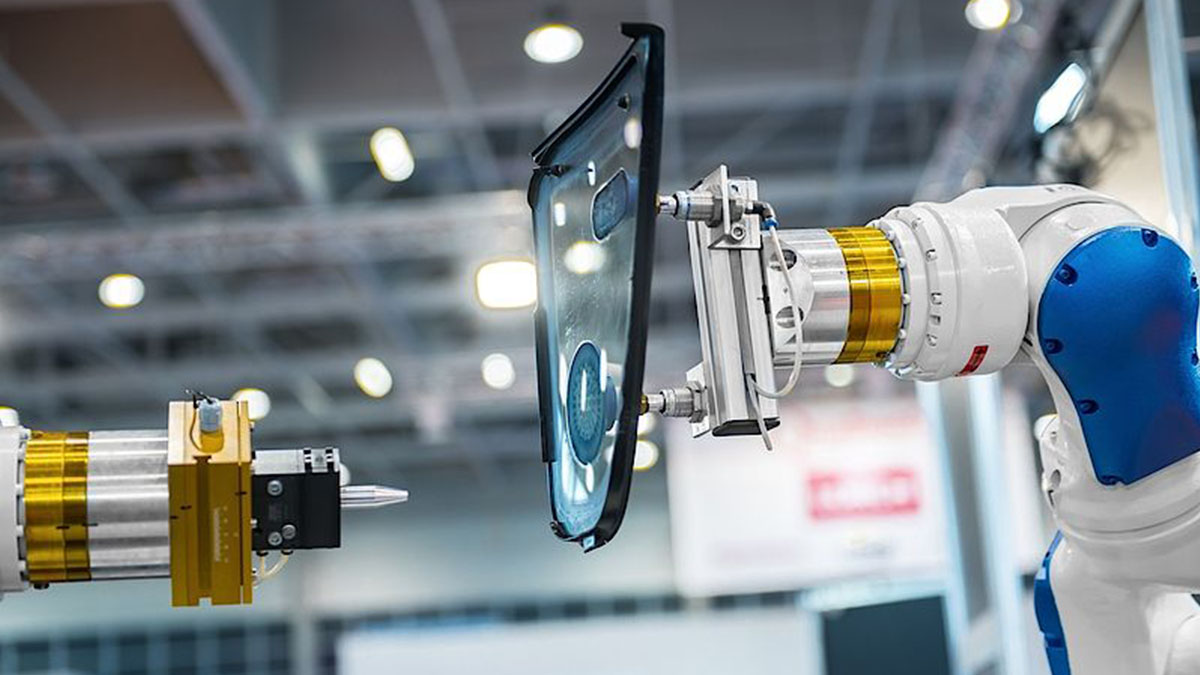
Motion control (MC) is a branch of automation. It uses some equipment commonly known as servo mechanisms such as hydraulic pumps, linear actuators, or motors to control the position or speed of the machine.
2021-03-24 17:09:12

In recent years, plastic electroplating has been widely used in decorative electroplating of plastic parts. ABS plastic is the most widely used kind of plastic electroplating.
2021-03-09 19:21:33

There are two kinds of RFID systems that exist- passive and active. If you're new to RFID, you might be wondering what the difference is between these types, and which one is best for your application. Below, we provide a short answer.
2020-10-26 15:27:06
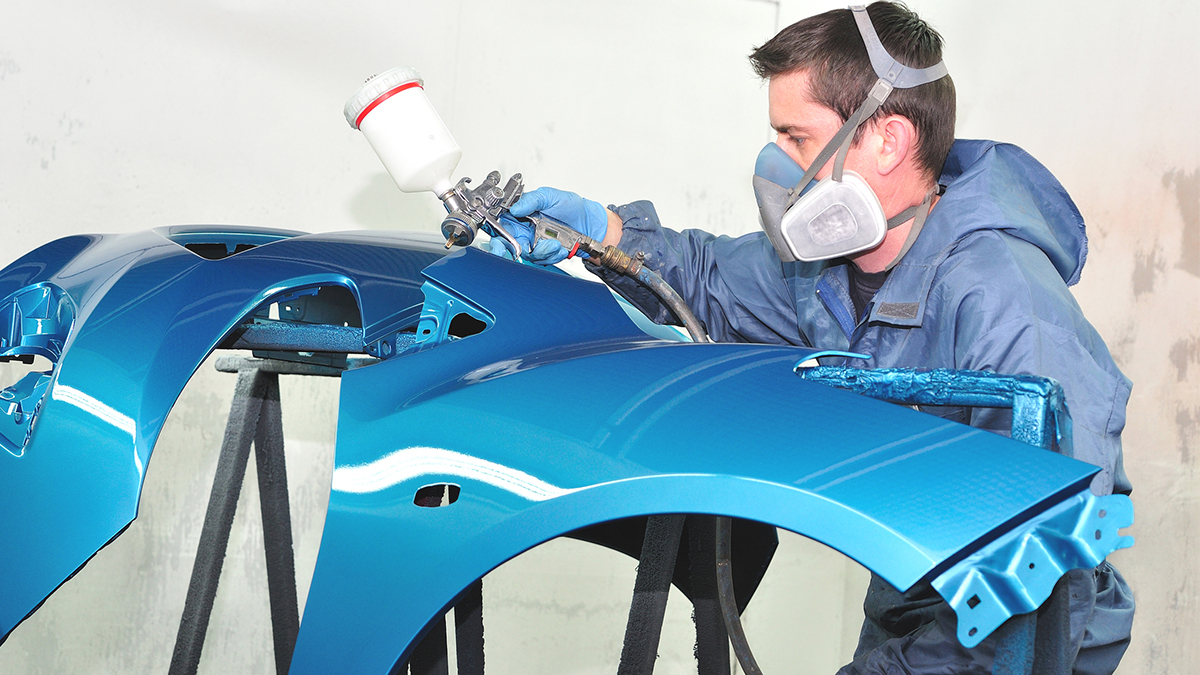
Metal fabricators looking to take on finishing should know about two of the most common finishing alternatives—liquid and powder coating—and the requirements involved for a company hoping to apply one or both.
2020-10-20 16:24:45

The discipline of tooling design is fundamental to manufacturing. The cost of manufacturing and of the end product depends heavily upon tool design.
2020-10-16 14:42:42
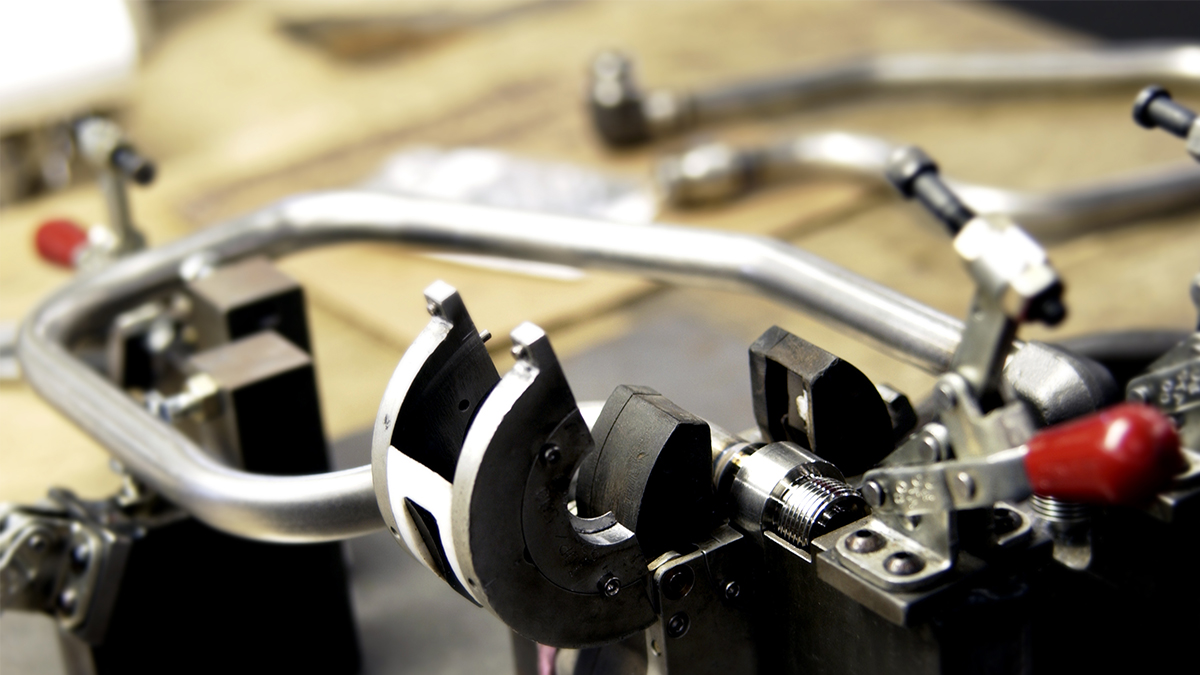
Metal stamping refers to the use of the power of punching machinery and the use of molds as metal plate forming tools to produce punching separation or plastic deformation effects to achieve the production technology of parts in terms of size, shape, and performance requirements.
2020-10-05 11:32:57

In response to the development of international industry demand, the laser industry and technology have begun to develop towards 5G semiconductors and smart vehicle process requirements. Taiwan’s laser industry has developed for many years and has a solid foundation, but to continue to keep up with the international pace, the need for independent laser technology step up.
2020-09-28 11:18:01
Hot Topic
Agree