
Insights

From the perspective of capacity, flash memory has a smaller capacity than hard disk types, but the flash memory has a faster reading speed than hard disk memory. Flash memory also has much stronger resistance to damage from vibrations. If you are only listening to songs, it is recommended to buy a flash memory type, which does not require too much capacity. But if you want to record and watch a movie, it is recommended to use a hard disk, to assure you have enough memory to save the entire movie.
2021-12-17 11:30:46
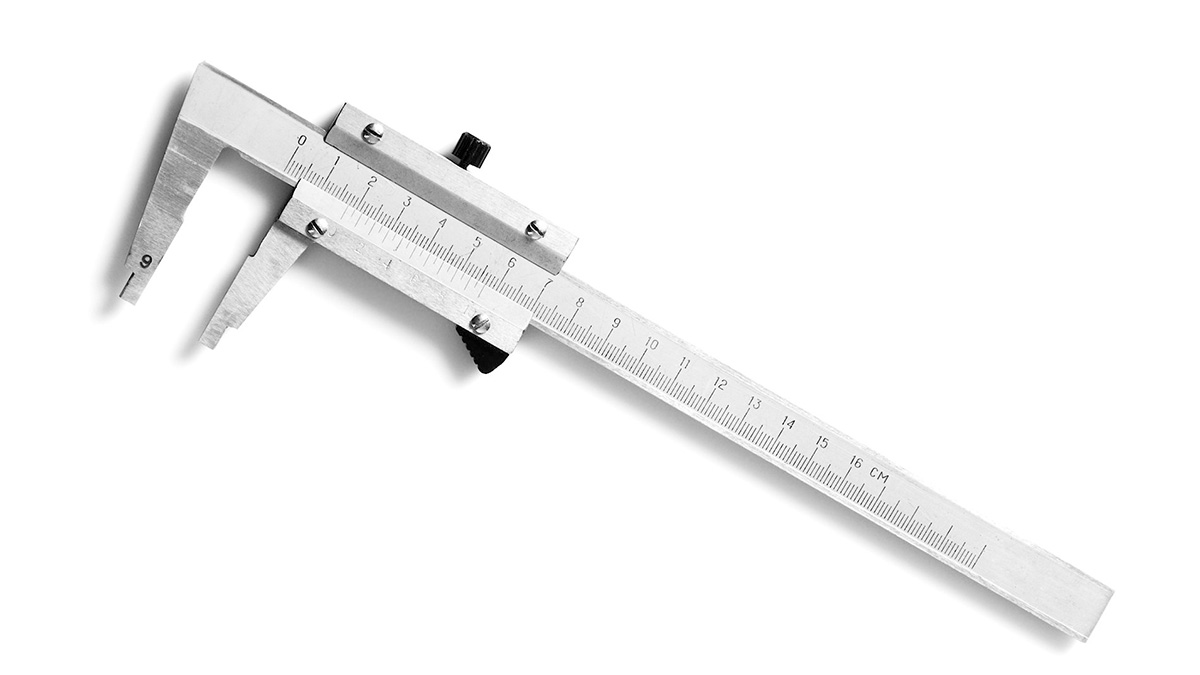
One of the tools a mechanic must use is a caliper. Although not as accurate as a micrometer, the caliper is a convenient and practical tool that can help mechanics quickly measure parts and use the measurement results to evaluate subsequent processing.
2021-12-15 15:59:55

Hand tools are mainly used in construction projects, home repairs, and automobile maintenance. Among them, power hand tools, have continued to increase in efficiency and convenience, and the market size has continued to expand in recent years. The overall demand for hand tools in the United States and the real estate market is showing positive growth.
2021-12-15 11:18:47
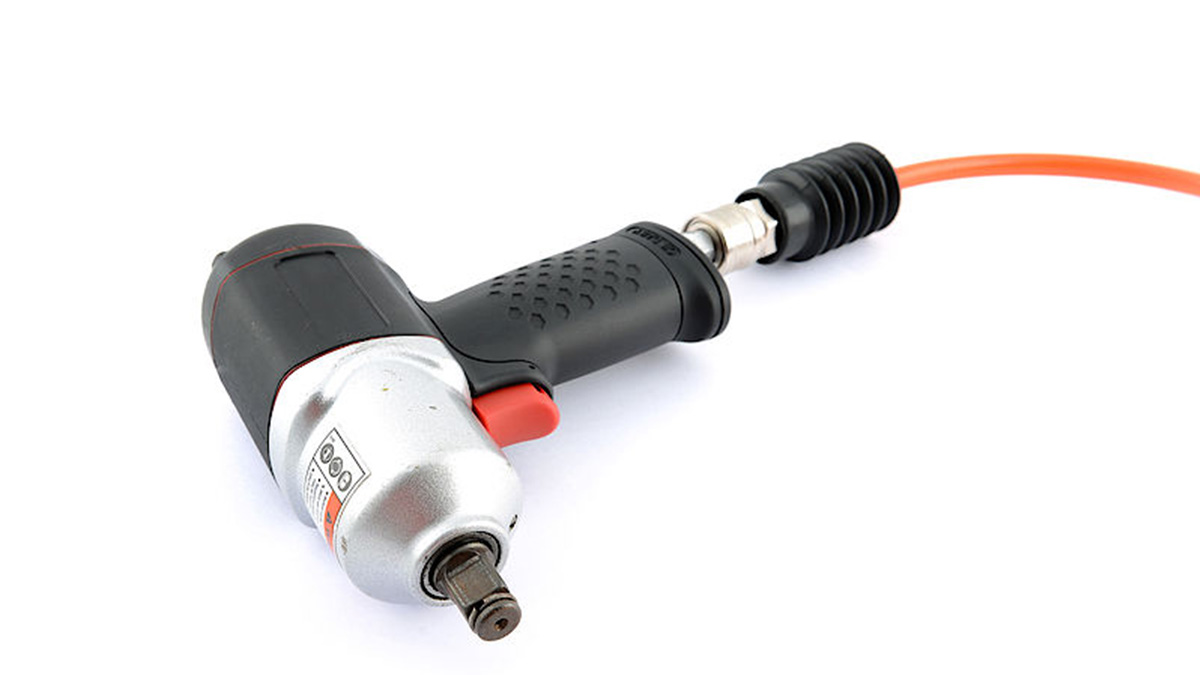
With the development of weapons, machinery, and chemical industries, pneumatic tools have been widely used and developed.
2021-12-14 13:35:17

The growth of the overall global biotech pharmaceutical market is slowing down. Europe and the United States have entered a mature period, and global development in the overall biotech pharmaceutical industry market has slowed down in recent years.
2021-12-13 14:30:01

Not just Taiwan, but the whole world is currently at a critical moment in energy transition. With the increasing demand for green electricity, more and more governments or organizations are paying attention to the development of green and low-carbon energy. Among the developing technologies, wind power is the mainstay. The development of wind power not only promotes a solution for green energy electricity consumption, but also plays a key role in economic growth. The acceleration and momentum of wind powered electric generation has brought new opportunities in industrial upgrading and transformation that will drive the economy.
2021-12-10 16:17:03
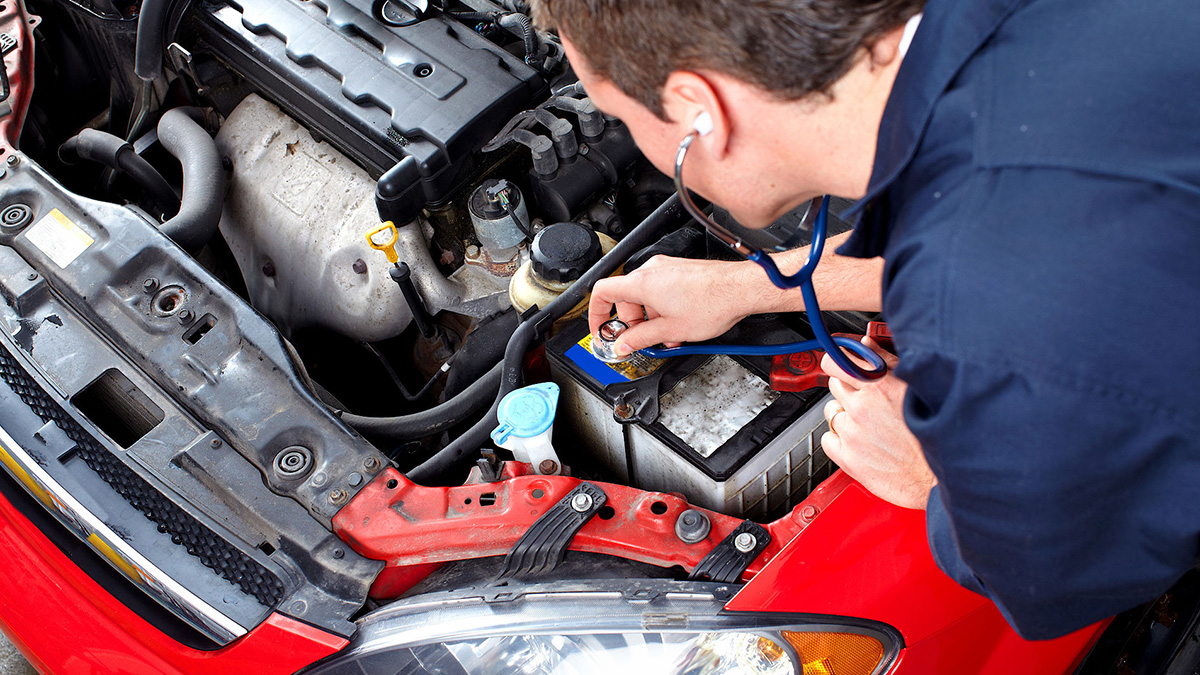
The sheet metal parts, plastic parts, and lights of the car body account for the majority of car damage in car accidents. Hundreds of thousands of accidents involving damage to these parts occur every year. The repair and replacement of these parts are an important source of income for car repair shops and parts manufacturers.
2021-12-10 11:32:53

A hidden important market in the automotive supply chain is the automotive after market (AM) which is used to satisfy after-sales repairs, inspections, maintenance, replacement, or modification services, and is an important part of the automotive supply chain.
2021-12-09 11:40:58

Even though global automotive supply chain manufacturers have mostly invested in the development and production of electric vehicles, the old car repair market still remains. As automotive component customer demand has changed, global original car manufacturers (OEMs) are turning to the Taiwan After Market (AM) supply chain to place orders for OEM parts with companies that are originally AM manufacturers.
2021-12-08 17:02:32

In the face of the spread of the epidemic, people minimize their chances of contacting people when going out, but how should the necessary medical services be solved? The telemedicine consultation will be used to advance subordinates and provide remote medical interviews and consultations that do not require contact.
2021-12-08 09:44:27
Hot Topic
Agree