Today we are going to learn more about "under one roof" in manufacturing. All disciplines are under one roof, which brings several advantages.
There are short lines of communication between the different departments, we can quickly respond to the changing demand and we are literally on top of the quality of all products.
Improving Continuously
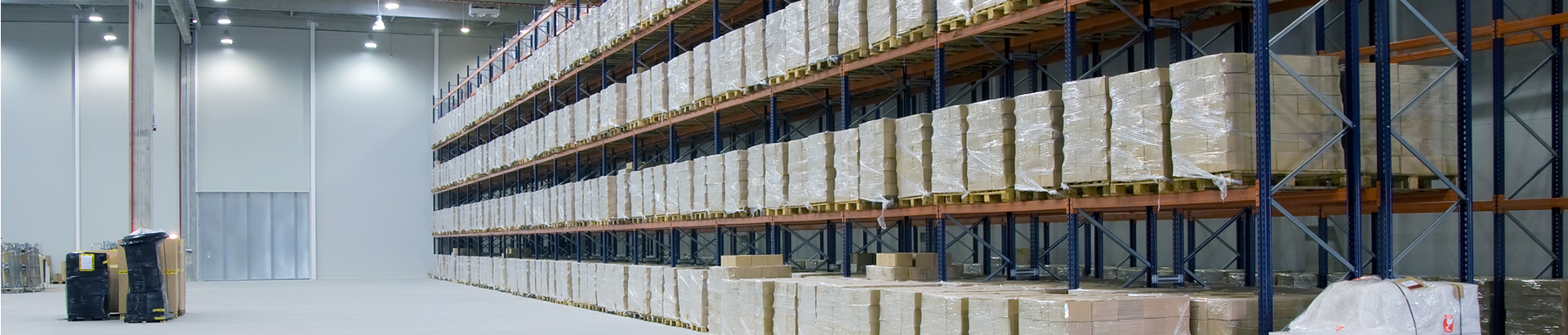
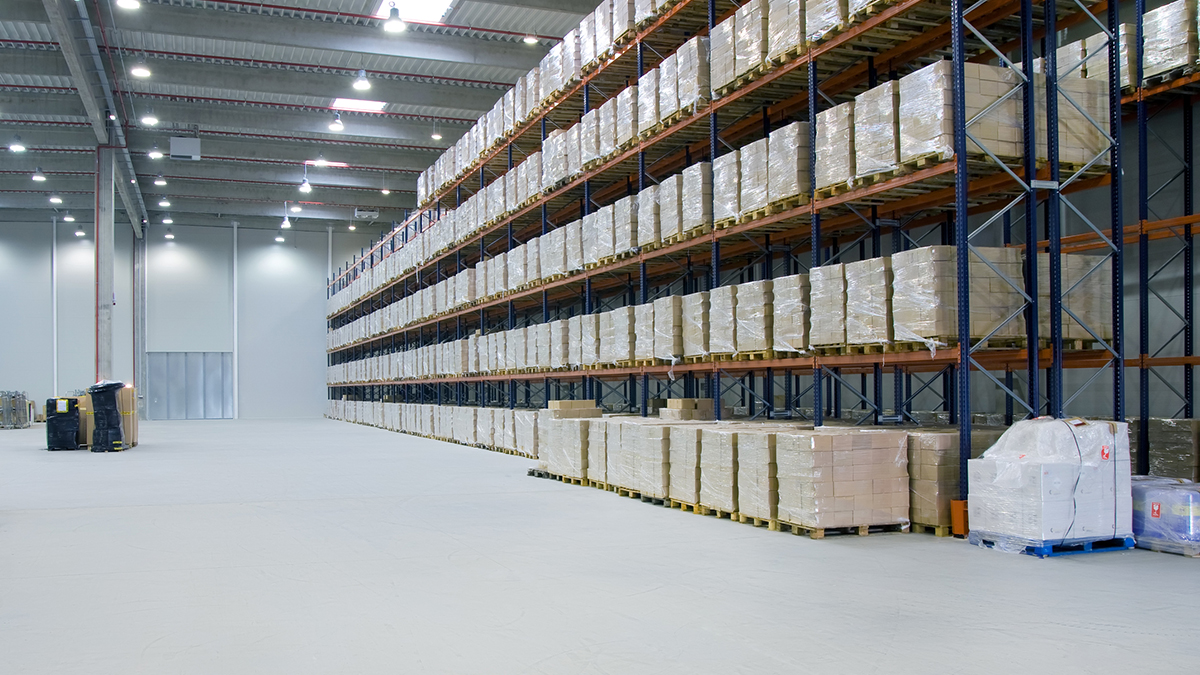
The logistics team has made comprehensive improvements in arranging the warehouse more efficiently. The routing is modified and by working more efficiently the pick time has been drastically reduced. The high-volume items are stored together near the front of the warehouse to avoid losing time. As a result, we can deliver even faster than before.
How To Save Time With Service Kits?
Imagine, you need to perform maintenance on your seal. You order a new lip seal and afterward, you think: I also need a spring or packing. Now you have to place a new order, which costs time and money. This inconvenience can be avoided with our service kits. A service kit includes all soft components for a seal that needs to be replaced. Each sealing system has its own service kit.
Study Case: Under One Roof in Assembly Services
There are plenty of advantages to assembling and installing parts in-house. The reason operates this way is that it allows manufacturers to install parts correctly, maintain proper alignment, and avoid failure as a result.
Engineering, manufacturing, and assembling are all tightly connected with each other. And we recognize this and understand that managing all of them allows a company to produce a high-quality result and increase their customer’s satisfaction. So here we go through the top four ways in-house assembly is beneficial.
Advantages of In-House Assembly
- Reduces Costs
As you can probably guess, outsourcing an assembly team will increase the cost to the OEM manufacturer, and it will cost them an unnecessary amount of time. OEM manufacturers original parts according to their specifications, so why can’t they do the same with assembly?
Taking the entire process just one step further eliminates the need for outsourcing, which eliminates unnecessary time and costs to the OEM.
- Reduces Labor
While both manufacturing and assembling, you also reduce the need for labor requirements.
An OEM then becomes an assembly solutions provider whose parts and inventory can be more easily managed. All of the originally manufactured parts are under one roof and do not need to undergo the hassle of outsourcing and the time/cost increase that comes with it.
- Consistent Quality
It makes sense for an OEM manufacturer to know the ins and outs of their part, and the engineering involved. So why wouldn’t they know the best way to install those parts without failure?
The ultimate goal is customer satisfaction. The goal becomes easier to reach when manufacturing teams and assembly teams can work under the same roof and have easy access to the same engineering and knowledge. A quality product can’t be made without a team. When manufacturers and assemblers are under one company, they are a closer team – and therefore – a better team.
The in-house assembly also gives us the option to use automation, robotics, and various systems to constantly improve the assembly process.
- Increased Speed
Again, outsourcing costs OEM time and money. When manufacturing and assembly solutions can be done by one company, everyone saves on time. When manufacturers provide assembly, they are saving time and money for both themselves and for the customer.
Instead of having to deal with an outsourced assembly team, the finished module comes to you much faster, properly installed, and with higher quality. Want to have a product or module get to you faster? Choose an OEM that provides in-house assembly solutions.
Study Case: Under One Roof In IT Services
There are many benefits to keeping your business’ services all under one roof. You need to make sure your business is more streamlined than ever and as you continue to grow, it becomes difficult to manage all your providers for your business. With that in mind, it would be useful to analyze what you currently have in your business that you outsource and see if there is anybody out there that supply multiple services so that you can bring it under one roof. It’s not just IT Support that you can bring under one roof but there are numerous departments and products you can do this with.
Four Advantages of In-House IT Service
- Easier to manage
If you run into a problem you will need to make sure you contact the right provider for the right issue. It can sometimes cause confusion if there are numerous different providers. If you have everything under one roof it makes it easier for you to be directed to the right company to speak to about the issues you are having.
IT Support under one roof makes it difficult when the services are under two separate providers. This can delay the problem being resolved and can sometimes affect business downtime.
- Cost-effective
If a business provides more than one service that is relevant to you can more than likely be cost-effective. Some organizations offer package deals or discounts if you have more than one service with them. Plus there is also the factor that different providers offer different rates. You could be using a service or product with a provider that is more expensive than what it would be with another.
It is often pointless going for the cheaper option as you may not get the quality of service. Any organization needs to be aware of this because it’s not just about the price, it’s about the quality of service too. Ideally, you want to go for a business that has great reviews, a great portfolio, and offers the services at a reasonable cost.
- Integrate services
There can be solutions within a provider that offer other services that could one day be relevant and needed for the development and growth of your business. For example, here at Aspect IT our main focus is IT Support but we do offer other services such as VoIP, Software Development, and Website Design. We have seen customers initially come to us to support their technology in the business and then develop further but having Sage Integration or a new website.
It’s useful for businesses to operate like this as it saves a business going elsewhere for work when it can all be dealt with under one business.
- Quick resolutions
Every year a business should review everything they have in place and see how they can either better their processes, look at alternative providers, etc. It’s useful to meet with your providers to review everything and see what recommendations they can make to improve your business performance with their products or services and if you should change anything.
As an IT business, we meet with our customers to conduct an IT review to see what equipment they use both hardware and software to see if they’re secure enough, performing efficiently, and to see if there is anything we can do to better their business with technology.
With different providers, it will take up time organizing numerous meetings, whereas if you had several services under one roof it can be done in one go.




(3796)(20260924)(原).jpg)
(4005)(20260924)(原).jpg)