A practical look at how recycled PET bottle flakes are converted into food-grade sheet materials for thermoformed packaging and other high-value applications.
As the packaging industry moves toward more sustainable materials, recycled PET (rPET) has become an important part of the conversation. Among the many recycling applications for PET, food-grade rPET sheet production stands out as a high-value pathway that transforms post-consumer bottle flakes into packaging materials for thermoforming and other downstream uses.
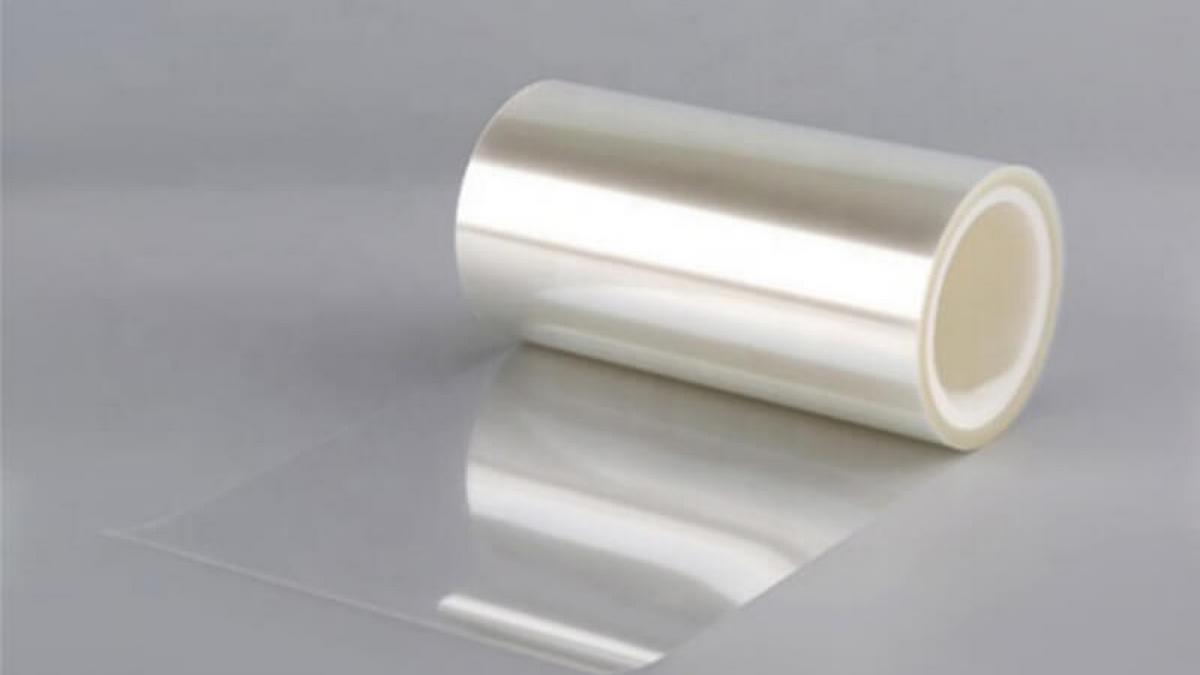
A food-grade rPET sheet extrusion line is designed to process recycled PET into sheets suitable for packaging applications such as food trays, blister packs, cup lids, and containers. For manufacturers, converters, and recycling businesses, understanding how this process works is essential when evaluating the future of circular packaging production.
Introduction
Food-grade rPET sheet extrusion has become an important topic in plastics recycling and sustainable packaging. By converting post-consumer PET bottle flakes into packaging-grade sheets, manufacturers can move recycled material into higher-value applications while supporting circular economy goals.
This production route is especially relevant for thermoformed packaging, where both material performance and product appearance matter. As demand for recycled-content packaging continues to grow, food-grade rPET sheet extrusion is receiving more attention from recyclers, converters, and packaging manufacturers.
Why Food-Grade rPET Sheet Matters
PET is one of the most widely used plastics in consumer packaging, especially for beverage bottles. As collection and recycling systems improve, more businesses are looking for ways to upgrade recovered PET into materials with stronger market value.
Food-grade rPET sheet provides that opportunity. Instead of being limited to lower-end secondary applications, recycled PET bottle flakes can be processed into packaging materials suitable for products such as thermoformed trays, blister packaging, lids, and food containers.
In practical terms, food-grade rPET sheet is widely used in:
- thermoformed food trays
- blister packaging
- disposable lids
- clamshell packaging
- food containers
These are packaging segments where transparency, consistency, and quality control are particularly important.
What Is a Food-Grade rPET Sheet Extrusion Line?
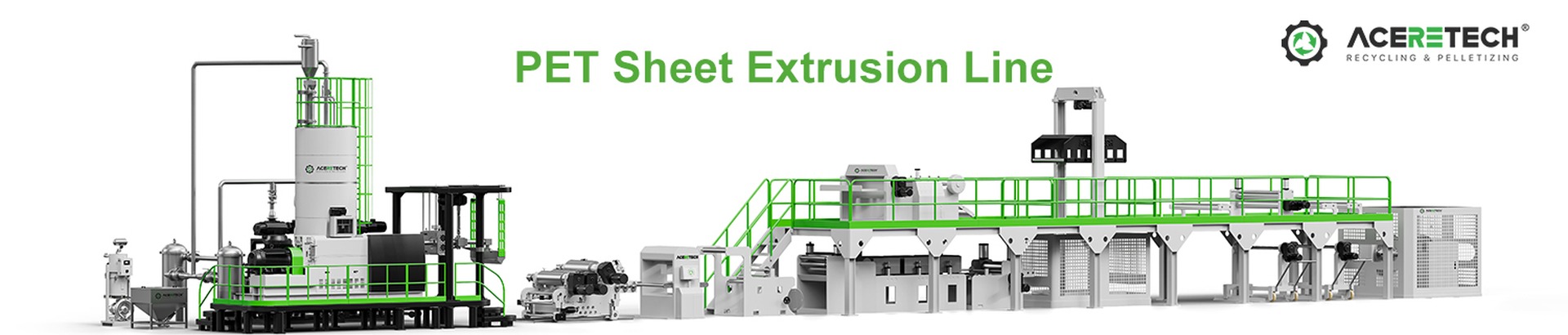
A food-grade rPET sheet extrusion line is an industrial system that converts PET raw material—especially recycled PET bottle flakes—into flat sheets for packaging applications. In advanced production setups, the process may use direct sheet extrusion technology to reduce intermediate steps and improve overall efficiency.
This type of line is typically designed to support:
- recycled PET bottle flakes as raw material
- sheet production for thermoforming applications
- stable melt processing and filtration
- high transparency and consistent sheet quality
- downstream packaging uses that require reliable material performance
The objective is not only to recycle PET, but to convert it into a higher-value material suitable for circular packaging applications.
How the rPET Sheet Extrusion Process Works
Modern food-grade rPET sheet extrusion lines are often built around a direct sheet extrusion concept. In this process, PET bottle flakes are converted into finished sheets through a continuous production flow.
A typical process flow includes:
PET bottle flakes → automatic feeding system → reaction chamber → extrusion system → filtration system → melt pump → T-die → three-roll calendering → winding system
Each section contributes to melt quality, sheet consistency, and downstream processing performance.
1. Automatic Feeding
The line begins with the controlled feeding of PET bottle flakes into the system. Stable feeding is important for maintaining consistent throughput and process balance.
2. Reaction and Extrusion
The material moves through a reaction chamber and extrusion system, where it is heated, plasticized, and prepared for shaping. This stage strongly affects melt quality and sheet performance.
3. Filtration
Filtration is one of the most important steps in food-grade rPET sheet production. It helps remove contaminants and improves melt cleanliness, which is essential for sheet appearance and quality stability.
4. Melt Pump and T-Die
The melt pump helps maintain stable pressure and flow, while the T-die forms the molten PET into a sheet with the desired width and thickness characteristics.
5. Three-Roll Calendering
The sheet then moves through the calendering section, where thickness control, surface finish, and cooling are managed.
6. Winding
Finally, the finished sheet is wound for storage, transport, or direct use in downstream thermoforming applications.
Why Direct Sheet Extrusion Is Important
One of the key developments in PET recycling equipment is direct sheet extrusion technology. Instead of first converting PET flakes into pellets and then processing those pellets into sheet, direct sheet extrusion reduces intermediate conversion steps.
This can offer several operational advantages:
- lower process complexity
- reduced material handling between stages
- better production efficiency
- improved integration between recycling and sheet manufacturing
- a more direct route from recovered PET to packaging material
For companies focusing on circular packaging, this makes the production route more attractive from both a technical and commercial perspective.
Key Factors That Influence Sheet Quality
Producing food-grade rPET sheet requires more than simply melting recycled plastic. The final sheet must meet performance expectations for downstream packaging applications, which means process control is essential throughout the line.
Important quality factors include:
- raw material consistency
- moisture control
- contamination removal
- melt stability
- sheet thickness uniformity
- transparency and visual appearance
- compatibility with thermoforming requirements
Because packaging applications are often sensitive to defects, the extrusion line needs to support stable and repeatable operation.
Main Applications of Food-Grade rPET Sheets
Food-grade rPET sheets are widely used in packaging sectors where sustainability and appearance both matter. Common applications include:
- fresh food trays
- fruit and vegetable packaging
- bakery packaging
- blister packs
- beverage cup lids
- takeout food containers
These applications continue to grow as brands, converters, and packaging suppliers increase the use of recycled content in response to regulatory pressure and market demand.
Business Value of rPET Sheet Extrusion
The value of food-grade rPET sheet extrusion extends beyond waste reduction. For many businesses, it also represents a path toward higher-value recycling and stronger positioning in the circular packaging supply chain.
Instead of selling recycled PET only as a lower-margin secondary material, companies can move closer to finished packaging applications and participate in a more valuable part of the market. This can help support:
- better material utilization
- stronger circular economy positioning
- access to packaging-related markets
- alignment with sustainability goals
- greater value creation from post-consumer PET
What Buyers Should Evaluate When Choosing a Line
For companies considering investment in this type of equipment, several factors should be reviewed carefully before making a decision.
- What type of PET raw material will be used?
- What level of cleanliness and consistency can be maintained?
- Is the process based on direct sheet extrusion or pellet-to-sheet conversion?
- How stable is the filtration and melt delivery system?
- Can the line support the required sheet width, thickness, and output?
- Is the final sheet intended for thermoforming or other packaging uses?
- What support is available for installation, startup, and process optimization?
These questions can help determine whether an extrusion line matches both production goals and packaging quality requirements.
Conclusion
Food-grade rPET sheet extrusion lines play an increasingly important role in the shift from plastic waste to circular packaging materials. By converting recycled PET bottle flakes into packaging-grade sheets, these systems support both sustainability and higher-value material utilization.
For manufacturers and recyclers looking to participate in this transition, understanding the extrusion process, quality factors, and downstream applications is an important first step. As demand for recycled-content packaging continues to grow, food-grade rPET sheet production is likely to remain a key investment area across the plastics and packaging industries.

(4059)(20260924)(原).jpg)
(2367)(20260924)(原).jpg)