
Knowledge
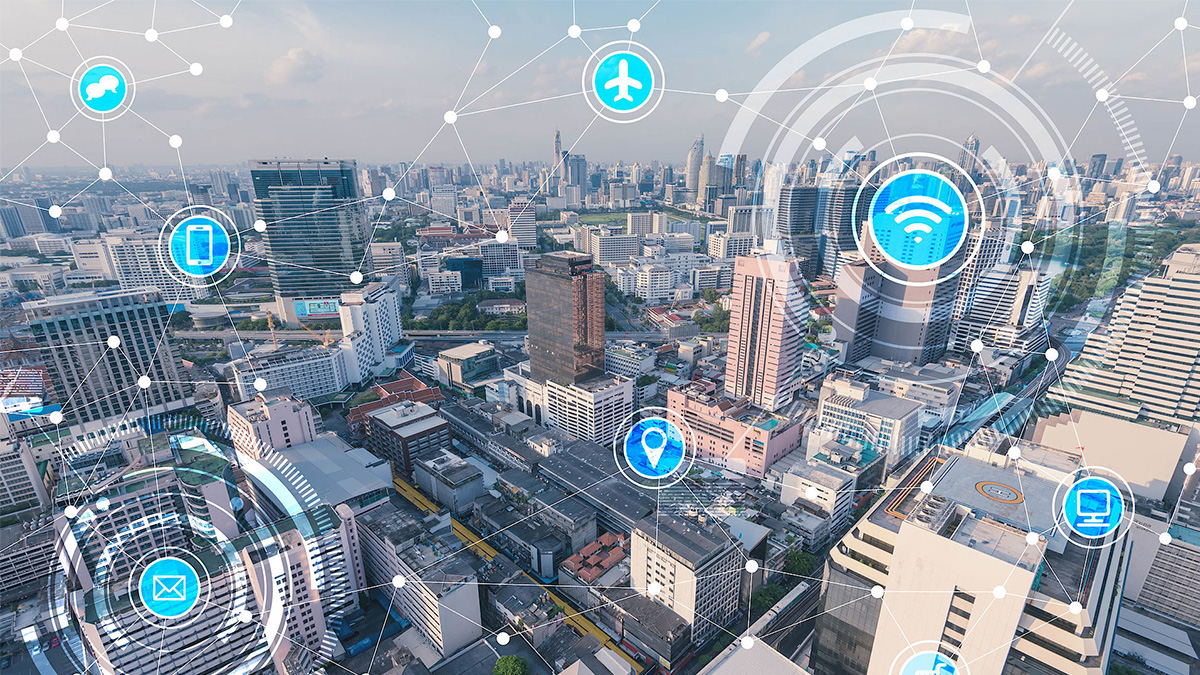
This may seem like a simple question, but that confuses many people. It is also, one of the most popular issues discussed on Quora. So, we are going to delve into this question and see if we can shed some the light on the main differences between IT and Telecommunications.
2022-04-13 13:58:55
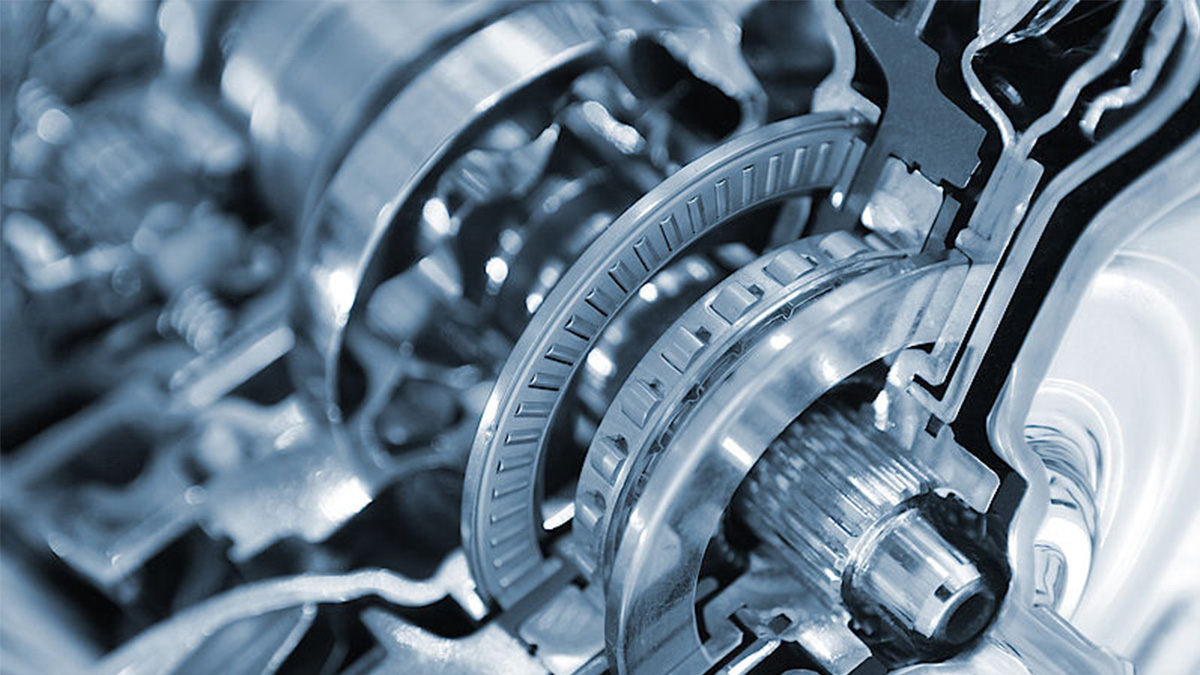
Machining is one of the most important cutting process used in any manufacturing industry. There are many different processing methods and each of these methods may require the use many different cutting tools. With each tool corresponding to a different cutting process, often problems can occur which not only affect the machining accuracy, but also the quality of the workpiece, and can even cause accidents. Understanding the cutting processes, machine tools used, and factors affecting accuracy are important for avoiding problems. Understanding the basics of cutting processing and smart tools will make your machining more effective and require less effort.
2022-04-13 10:38:50
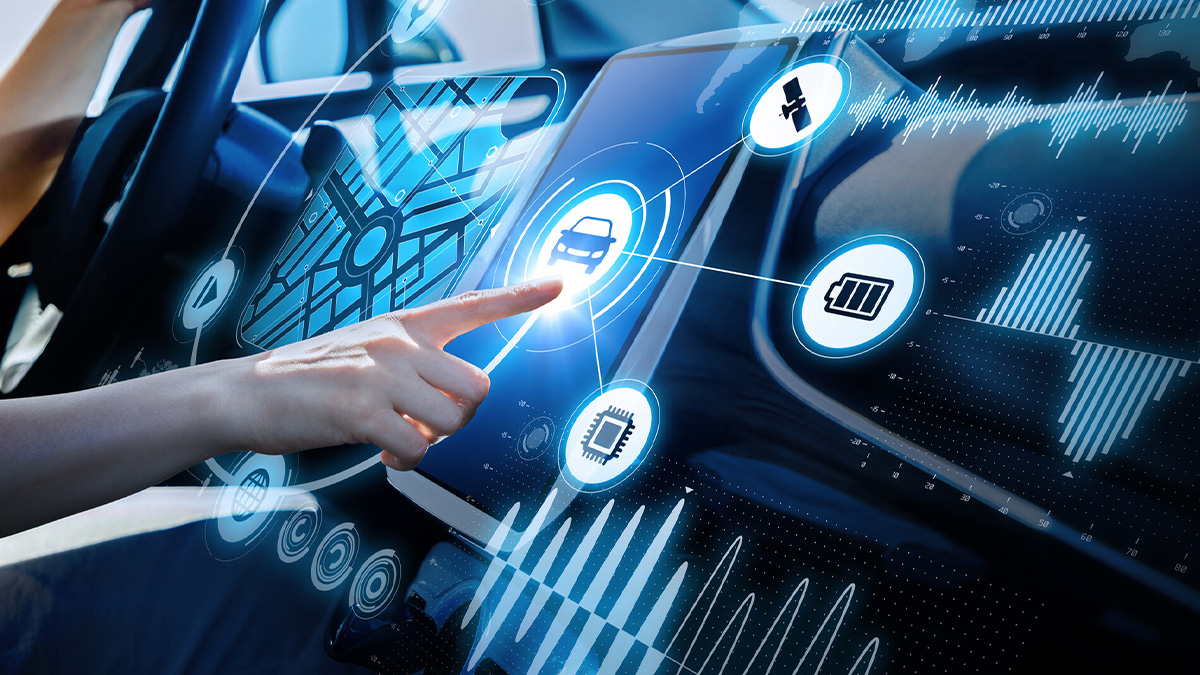
Self-driving cars rely on technologies such as Advanced Driver Assistance Systems (ADAS) and the Internet of Vehicles.
2022-04-12 10:21:45

In a very simply sense, Information and Communications Technology (ICT) is a variety of technologies that facilitate communications. ICT is often used to describe the convergence of several technologies, and the use of common transmission lines and communication formats to transfer diverse data types.
2022-03-31 11:53:00
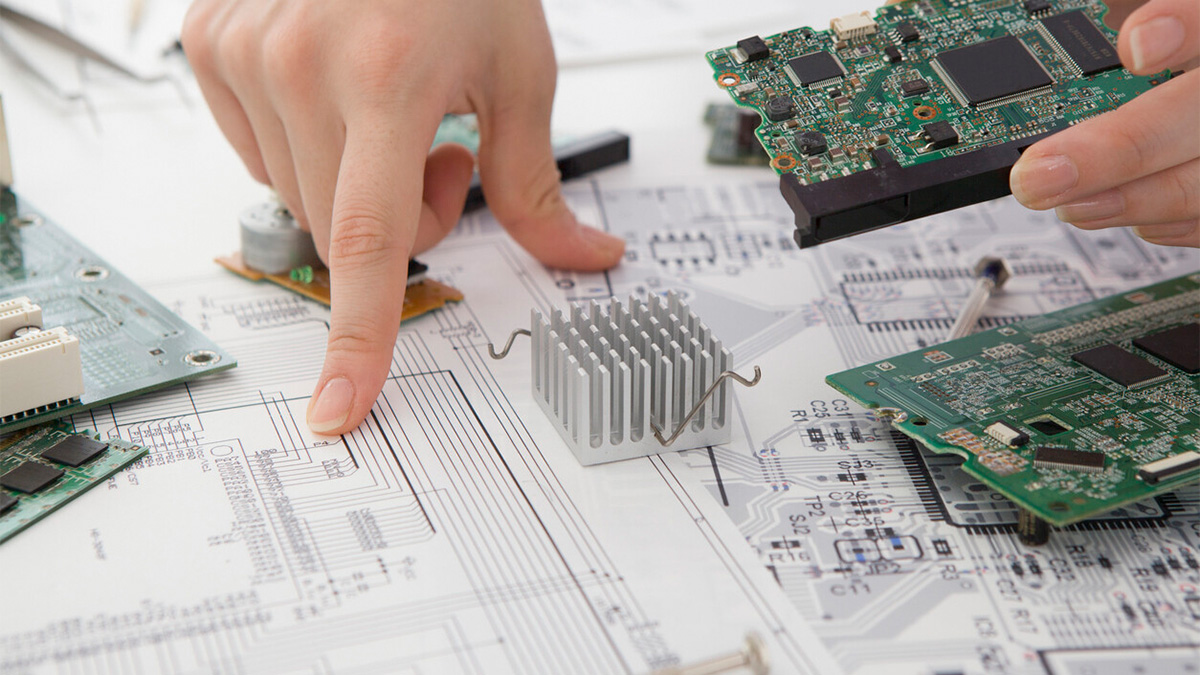
A bipolar junction transistor (BJT) is a current-driven semiconductor element that uses a small amount of current to control the flow of a larger electric current. In contrast to a unipolar transistors, such as a field-effect transistors which uses only one kind of charge carrier, a BJT uses both electrons and electron holes as charge carriers. BJT Transistors can be used to amplify weak electrical signals and are also used as oscillators or as switches.
2022-03-29 10:27:39

3D printed end-use parts are going onto vehicles with increasing frequency. Recent real-world examples showcase additive manufacturing benefits in design, weight savings and more.
2022-03-28 15:51:54
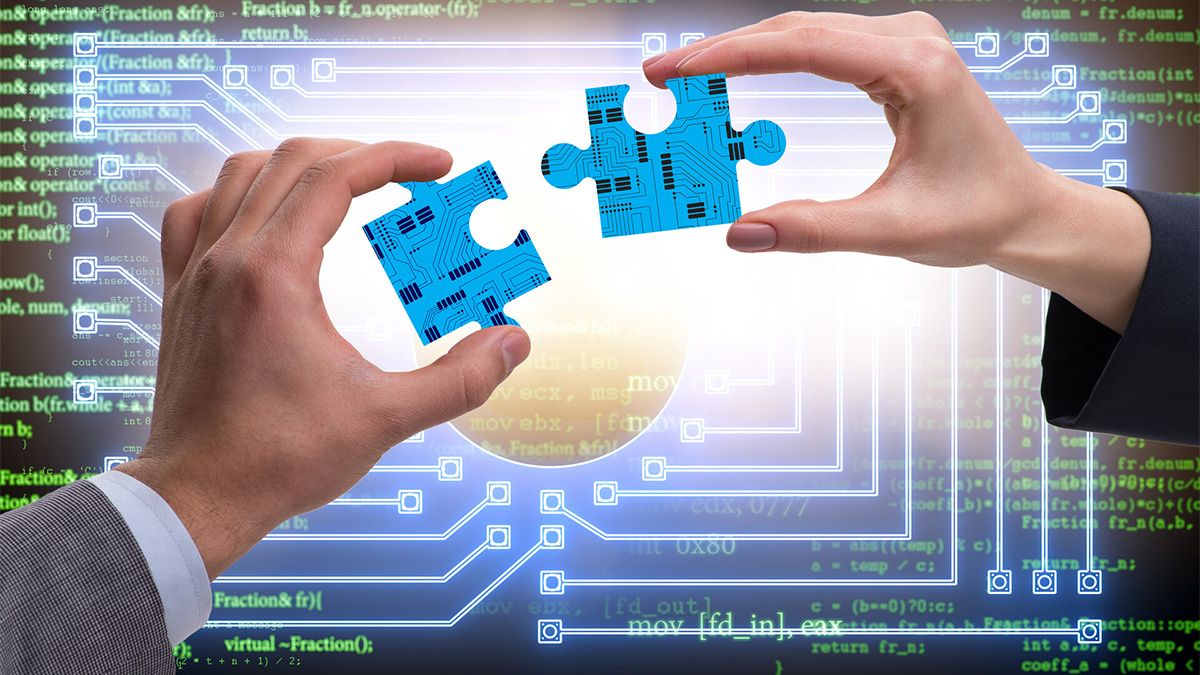
Integrated circuits are a combination of wide-ranging electronic circuits integrated into a semiconductor chip. They are designed to perform the advanced computational functions which are used in key processor programs. Let's learn more about these fascinating integrated circuits.
2022-03-28 16:01:44
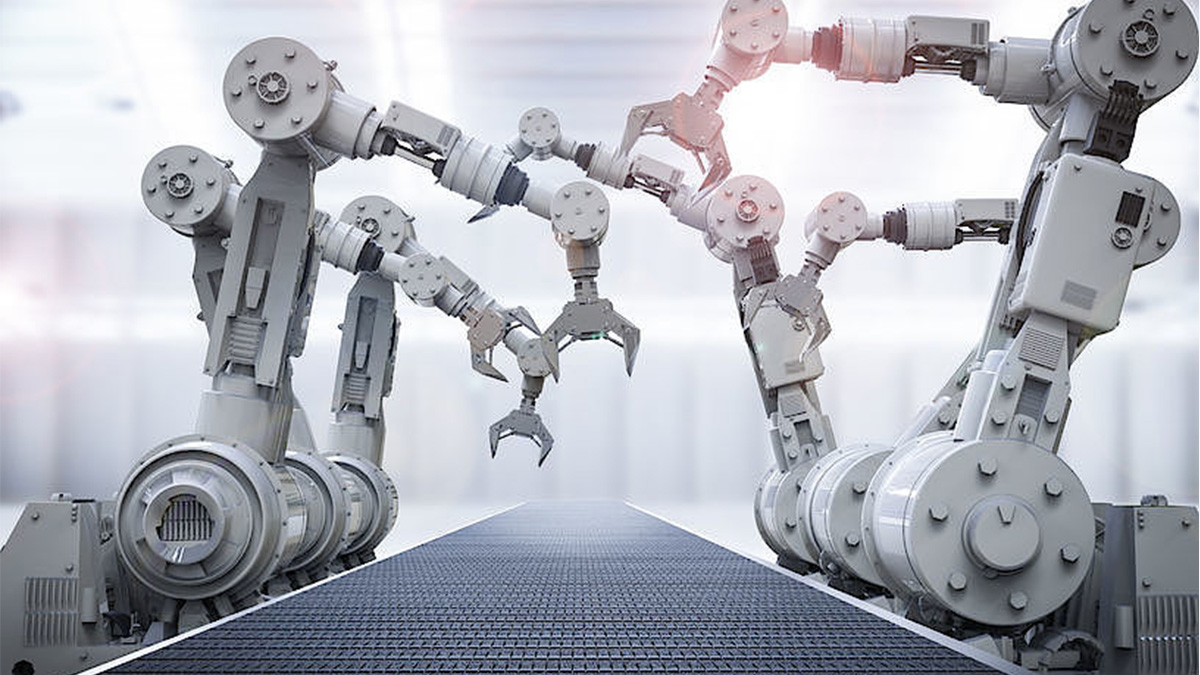
Robotic process automation (RPA) is a technology that mimics the way humans interact with software to perform high-volume, repeatable tasks. RPA technology creates software programs or bots that can log into applications, enter data, calculate and complete tasks, and copy data between applications or workflow as required.
2022-03-25 09:53:33

The low-code development environment allows users with less technical knowledge to build entire business applications on their own without the assistance of IT staff.
2022-03-24 13:13:58

DevOps is an evolving philosophy and architecture designed to encourage faster and better application development and faster release of new or revised software features or products to customers.
2022-03-23 16:45:11
Hot Topic
Agree