
Trend
High-precision lathes and toolroom lathes specialize in producing small, high-accuracy components, often used in prototype development and sample manufacturing. As CNC toolroom lathes become increasingly widespread, the industry is moving toward digital and automated control to shorten production cycles and improve machining quality and consistency.
2025-08-12 14:32:21

India’s manufacturing sector is undergoing a critical transformation phase, with the rapid rise of industrial automation propelling the CNC machine tool market into a global growth hotspot. According to the latest research report by Technavio, the overall machine tool market in India is expected to increase by approximately USD 3.08 billion from 2024 to 2029, with a compound annual growth rate (CAGR) of 11.6%. In contrast, the global machine tool market CAGR is only about 5.07% (2023–2029), and the global CNC machine tool market CAGR is around 5.4% (2025–2029). India’s market growth rate is nearly twice the global average. Furthermore, supported by its large industrial base and favorable policies, India has strong potential to become a key strategic region in the global CNC machine tool market.
2025-08-12 13:53:53

As global manufacturing moves toward high-precision and high-efficiency machining, lathe equipment remains an indispensable core tool in aerospace, automotive, energy, and medical sectors. Leveraging a solid manufacturing foundation and flexible customization capabilities, Taiwan has steadily expanded in the international lathe market, becoming a key supplier to both Europe, the United States, and emerging markets. To address diverse machining needs, Taiwanese manufacturers deploy both manual and CNC lathes, covering educational training, basic machining, and large-scale automated production—demonstrating high adaptability to market demands.
2025-08-12 11:57:18

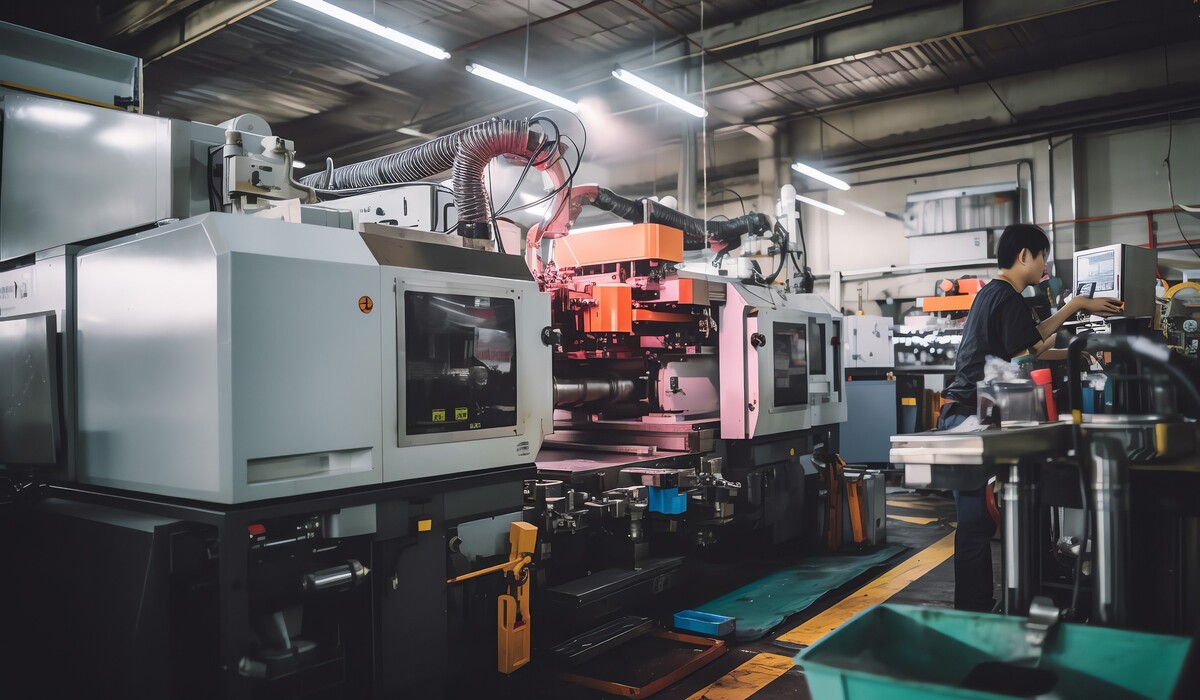
Vertical injection molding machines, owing to their unique structural design and operational advantages, are widely used in electronics, medical devices, automotive components, and high-precision plastic part manufacturing. They are especially indispensable for insert molding and in-mold decoration (IMD) processes. As global manufacturing advances toward smarter, higher-efficiency operations, the vertical injection molding machine market is showing several clear trends.
2025-08-12 12:01:38

Have you ever wondered why some jackets can block wind and rain without making you feel stuffy? Or why some sportswear wicks away sweat quickly, keeping you dry? This isn't magic; it's the superpower of high-performance textiles. They are no longer just clothes but key materials that improve quality of life and ensure personal safety.
2025-08-12 11:29:36

Modern manufacturing faces challenges of small-batch diversity, high customization, and shortened time-to-market. Traditional segmented outsourcing models struggle to respond effectively. Mold design, injection molding, and post-processing are handled by different vendors, often causing unstable delivery schedules, significant quality variations, and difficulty in making changes. To address these trends, the industry is accelerating toward integrated “one-stop” manufacturing services. Chiakuan Industrial Co., Ltd. has long focused on providing comprehensive plastic manufacturing solutions, covering mold design, injection molding, surface treatment, and assembly and packaging. This fully meets companies’ demands for “one-stop outsourcing,” significantly improving development efficiency and delivery quality, while enhancing rapid market response and competitiveness.
2025-08-12 10:14:17

Imagine a candy wrapper you don't have to unwrap and that doesn't become trash. Would you eat it or throw it away? With modern technology advancing daily, the food packaging industry has developed edible film packaging to keep up with sustainability trends, allowing you to eat the protective layer directly while enjoying your food.
2025-08-11 16:54:46

In today's globalized world, changes in a country's trade policies can have far-reaching consequences. A single tariff agreement or trade barrier not only affects large-scale international commodity trading but can also subtly alter our daily consumption habits. When this wave of trade protectionism sweeps across the globe, even Taiwan's most iconic cultural export—bubble tea—cannot remain untouched. In the following, we'll delve into how tariffs impact the bubble tea industry's supply chain and the challenges and opportunities they present.
2025-08-11 16:49:59
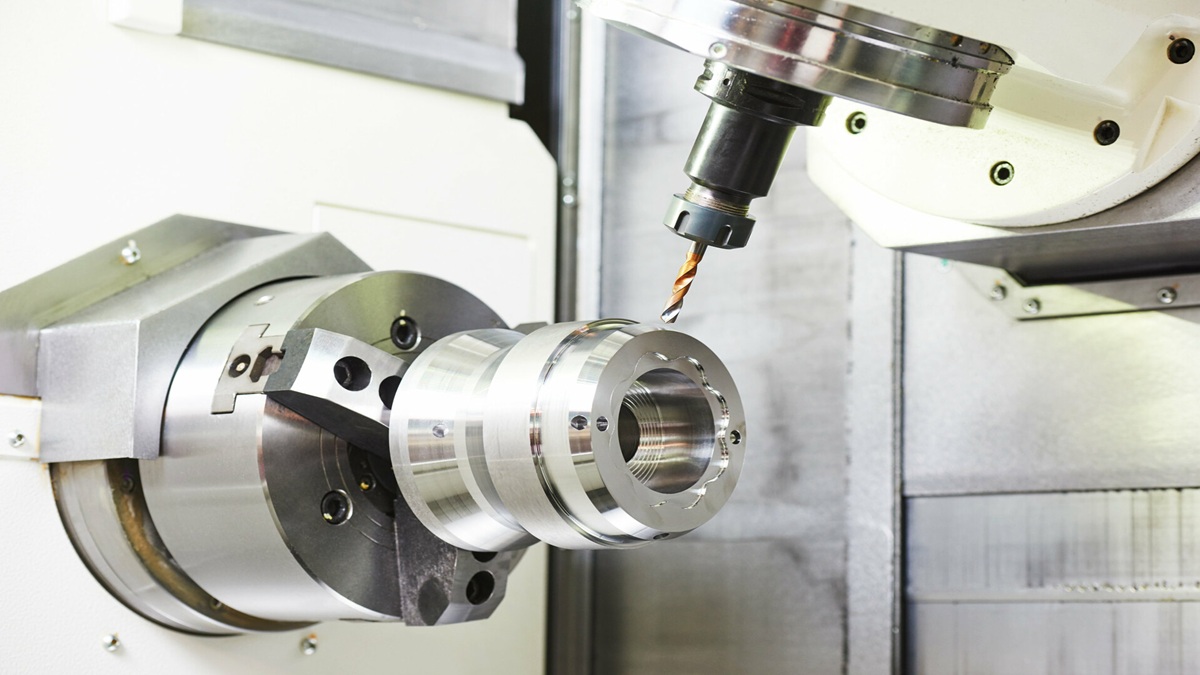
Five-axis machining technology marks a major leap for the manufacturing industry, moving from traditional three-axis methods to advanced machining. It enables the production of complex, multi-angled parts in a single setup, significantly boosting both efficiency and precision. However, to fully unlock the potential of five-axis machining, companies need more than just costly equipment—they also require skilled operators, rigorous process management, and the support of smart manufacturing technologies such as AI, automation, and digital simulation. Looking ahead, five-axis machining will continue evolving toward greater precision, environmental sustainability, and hybrid manufacturing, integrating sustainable principles to help businesses strengthen their competitiveness. Overall, five-axis machining is not merely an equipment upgrade, but a comprehensive transformation that blends technology, talent, and management—mastering these elements will be the key to business success.
2025-08-11 09:01:06
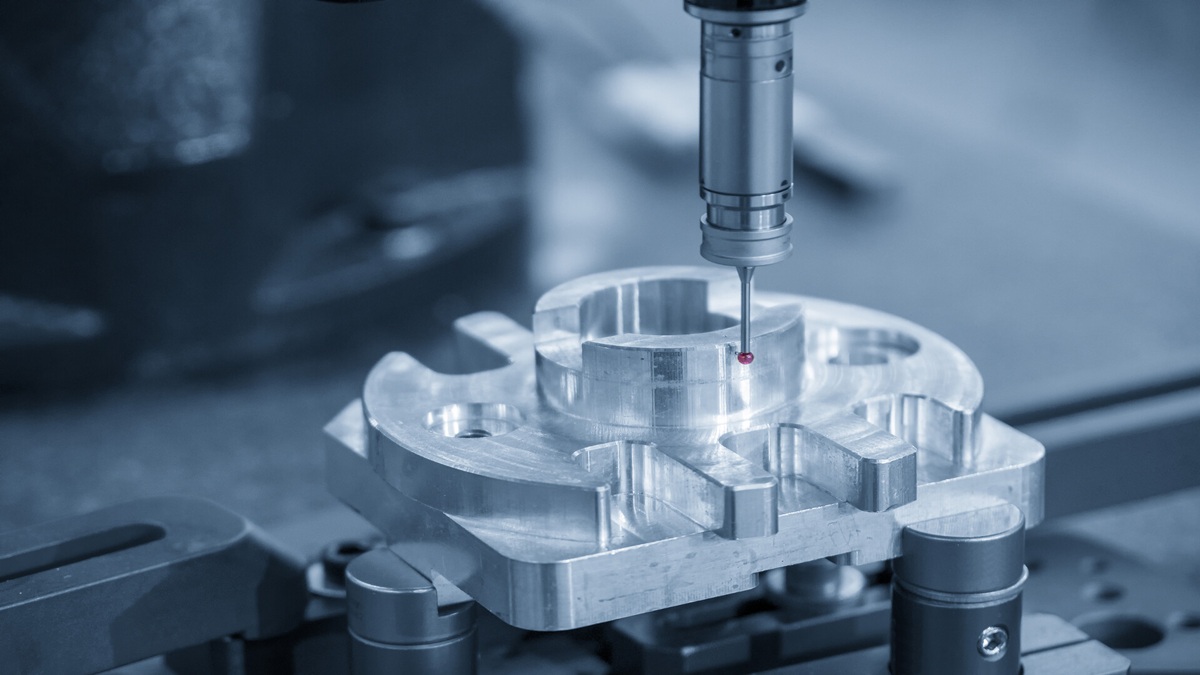
As global carbon emission regulations become increasingly stringent, the manufacturing industry is facing growing pressure to reduce its carbon footprint. Due to their long operating hours and high energy consumption, machine tools have become a critical focus in carbon management. This article highlights that by choosing high-efficiency machine tools, optimizing machining processes, and implementing intelligent systems, manufacturers can significantly cut energy use and carbon emissions—while also boosting productivity and operational stability. Green efficiency is no longer just an option; it's a necessary path for manufacturing to achieve sustainability and stay competitive.
2025-08-08 15:24:07
Hot Topic
Agree