
Insights

Software Service Industry belongs to all industries that are engaged in computer system design, data and information supply services, and software publishing.
2021-09-24 14:11:27
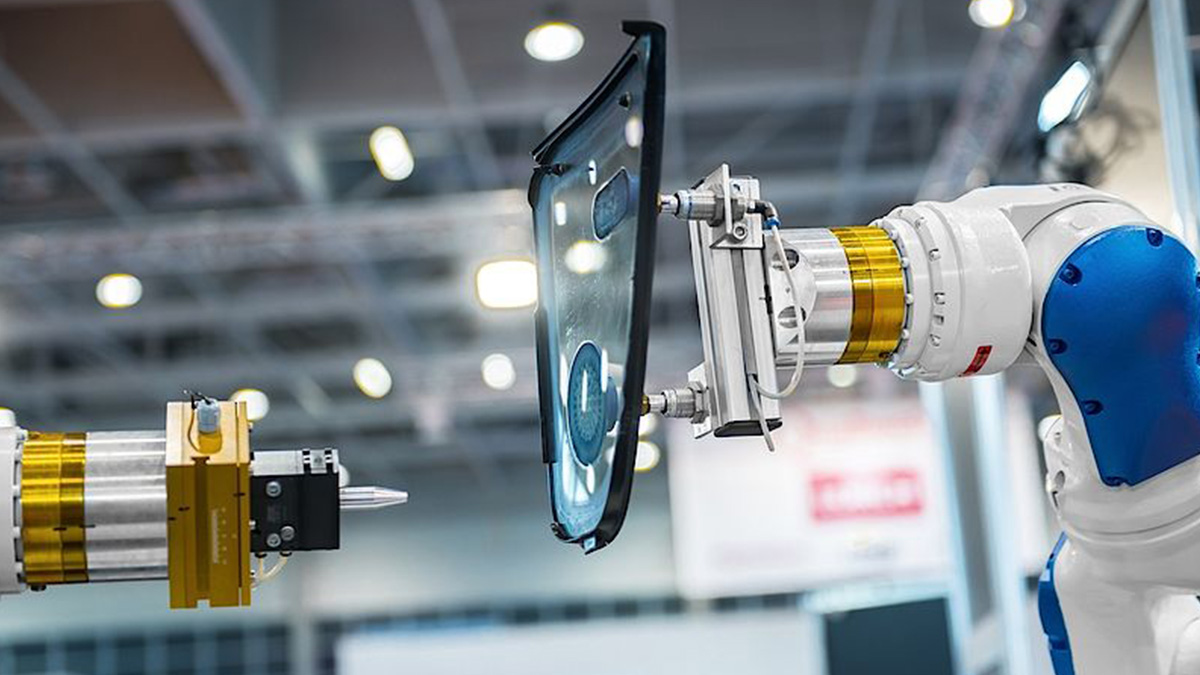
Industrial Internet of Things (Indusrial IoT, or IIoT) is the expansion and use of the Internet of Things (IoT) in industrial applications. Industrial IoT focuses on machine-to-machine (M2M) communication, big data, and machine learning (ML) to make industrial operations more efficient and reliable. IIoT covers the entire industrial application, including robotics, medical equipment, and software-defined production processes.
2021-09-22 18:48:57

Improving production efficiency is the foundation for the manufacturing industry to gain a firm foothold. The manufacturing industry achieves smart operations by introducing AI applications, automatically identifying abnormalities, or making adjustment suggestions, and assisting companies in achieving more accurate adjustments to machines and upgrading equipment. During the process, the traditional manufacturers are transformed into the smart manufacturers.
2021-09-22 10:20:56

Gear transmission systems are widely used in various industrial products and equipment, from designing, manufacturing, testing to applying, and form a technical field of its own. In recent years, with the development and manufacturing of high-tech products, the non-cutting gears as plastics and powder metallurgy are used with non-metal cutting precision pinion transmission mechanisms more and more often as the metal cutting gears.
2021-09-17 09:38:00

Bolt is one of the basic hardware components in the engineering and construction industry. The production process of bolts has evolved into an advanced and high-tech multi-step process.
2021-09-14 15:30:07
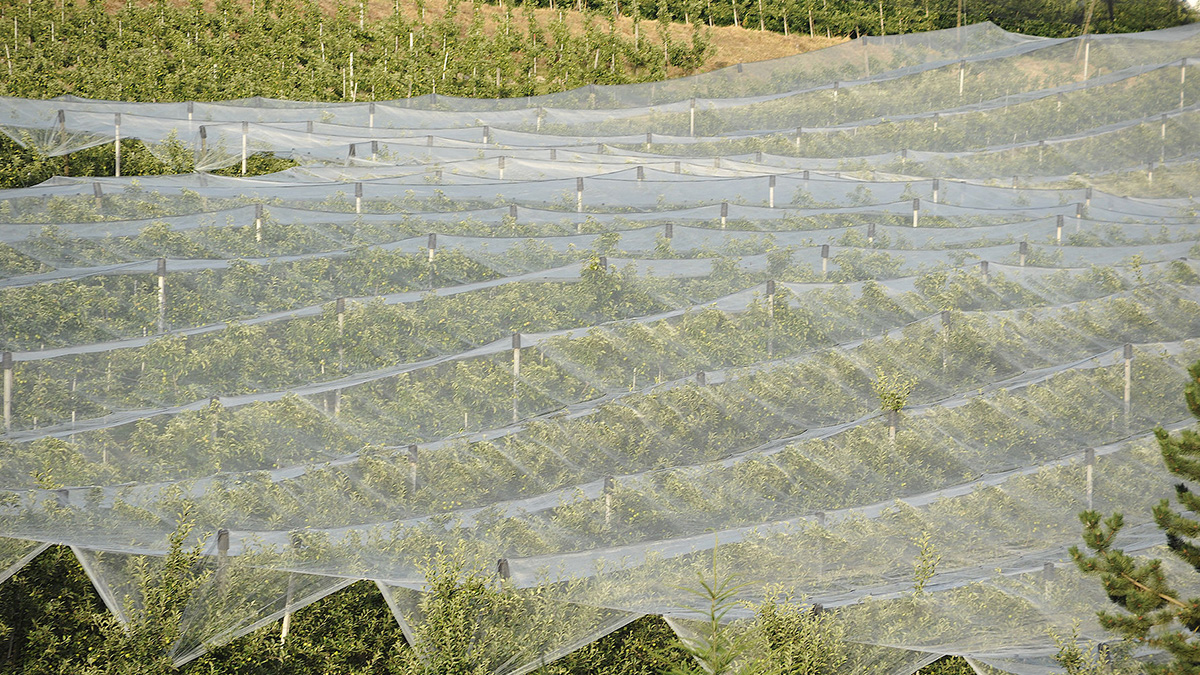
Non-woven fabrics have been produced since the early stages of the petrochemical industry. During this time, non-woven fabrics were only used for their softness and bulkiness in packaging, covering, and filling. Due to the rapid development of material science, the application scope of non-woven fabrics has expanded to various fields of industry and commerce, civil engineering, medical treatment, agriculture and environmental engineering. Its existence can be seen everywhere, especially in its very early uses in agriculture.
2021-09-11 13:20:16

Food safety issues have always been the focus of social concern, and various countries and organizations have also put forward relevant food safety regulations and testing standards to ensure the health and safety of food processing and food processing technology engaged with it.
2021-09-10 17:57:30
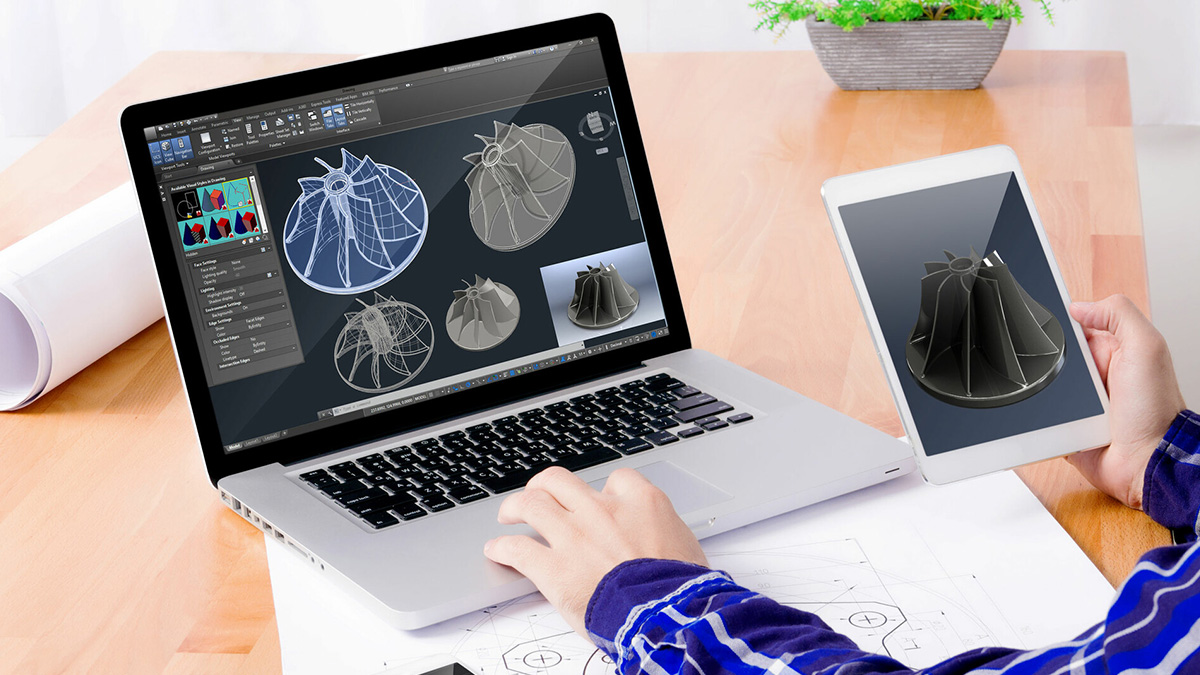
Selective laser sintering is an additive manufacturing technology that sinters small particles of polymer powder into a 3D three-dimensional structure through high-power laser light; thus, this is also called selective laser sintering 3D printing, or SLS 3D printing.
2021-09-09 10:54:53

Etching is a technique to process the surface of the object by using chemical strong acid corrosion, mechanical polishing, or electrochemical electrolysis. In addition to enhancing aesthetics, it furthermore increases the added value of the object. Procedures from traditional metal processing to high-tech semiconductor manufacturing are all within the scope of applications of etching technique.
2021-08-27 17:04:45
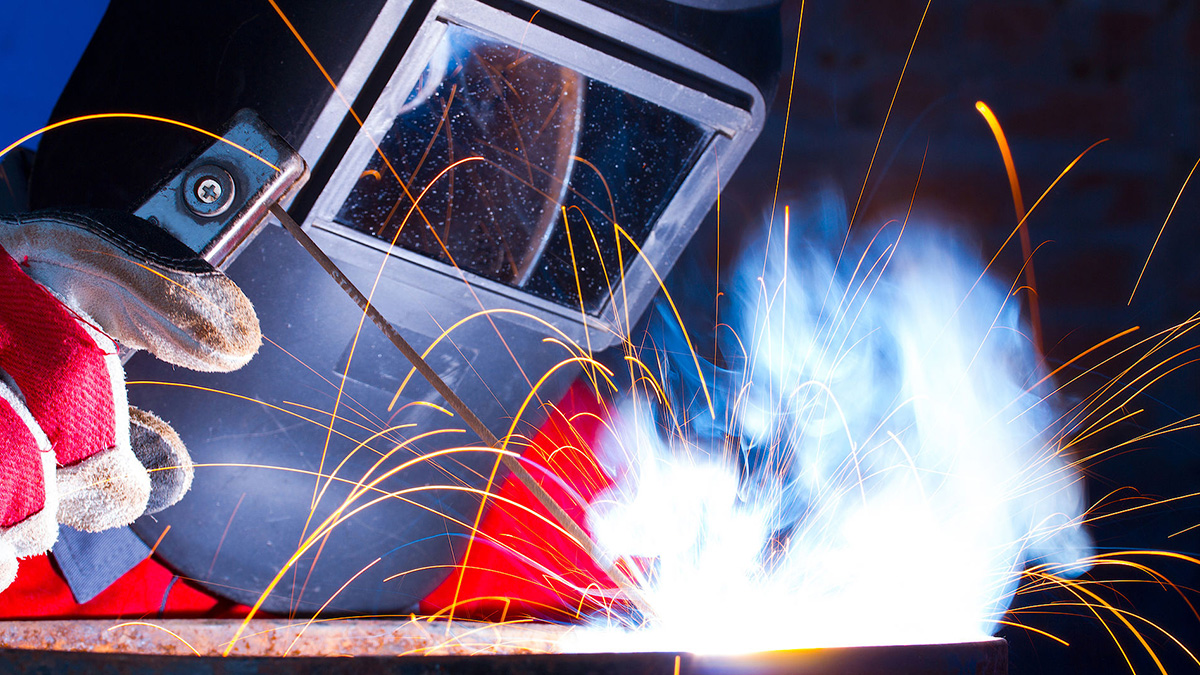
Welding is a technique and process for joining metals or other thermoplastics by heating or pressing.
2021-08-27 11:40:42
Hot Topic
Agree