
Insights
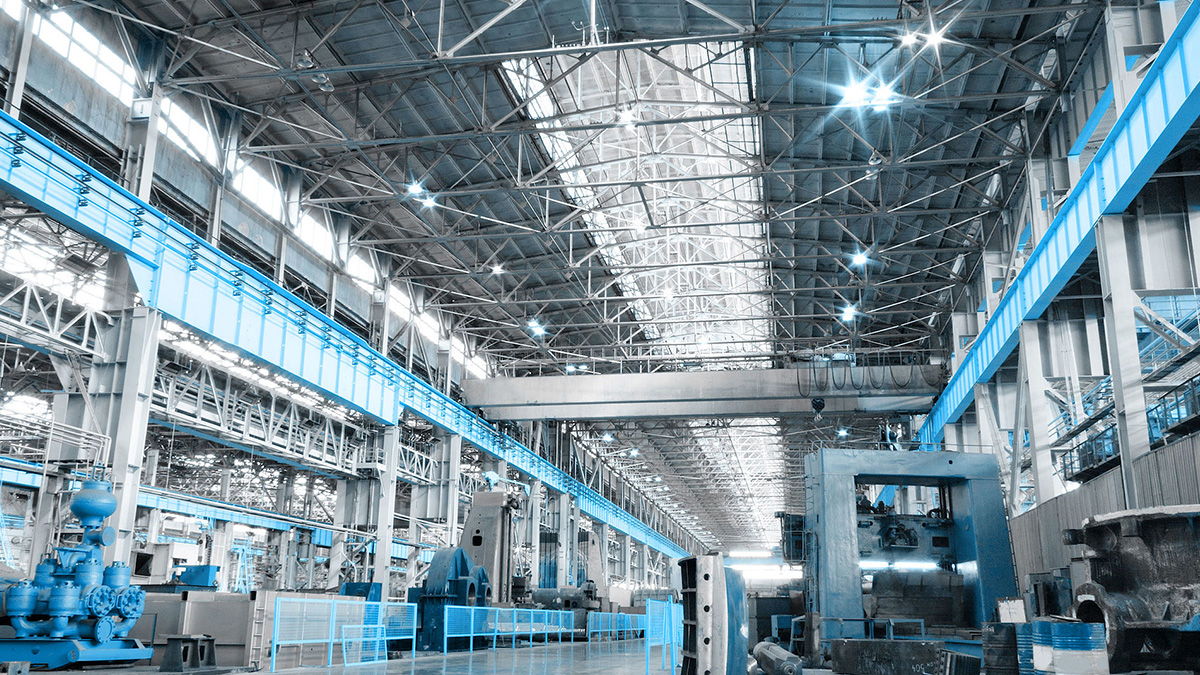
Wisdom Manufacturing (WM) is the use of advanced manufacturing technology and new-generation information technologies such as the Internet of Things, big data, cloud computing, artificial intelligence (AI), etc., to highly customize every link of the production process and use advanced manufacturing models to adapt to rapidly changing external market demands.
2022-02-08 10:27:22

Characteristics of the 5G network include high-speed large-traffic communication, high-reliability, low-latency communication, and large-scale machine-type communication. In the architecture of the 5G network, network slicing will be a key technology.
2022-02-07 11:53:14
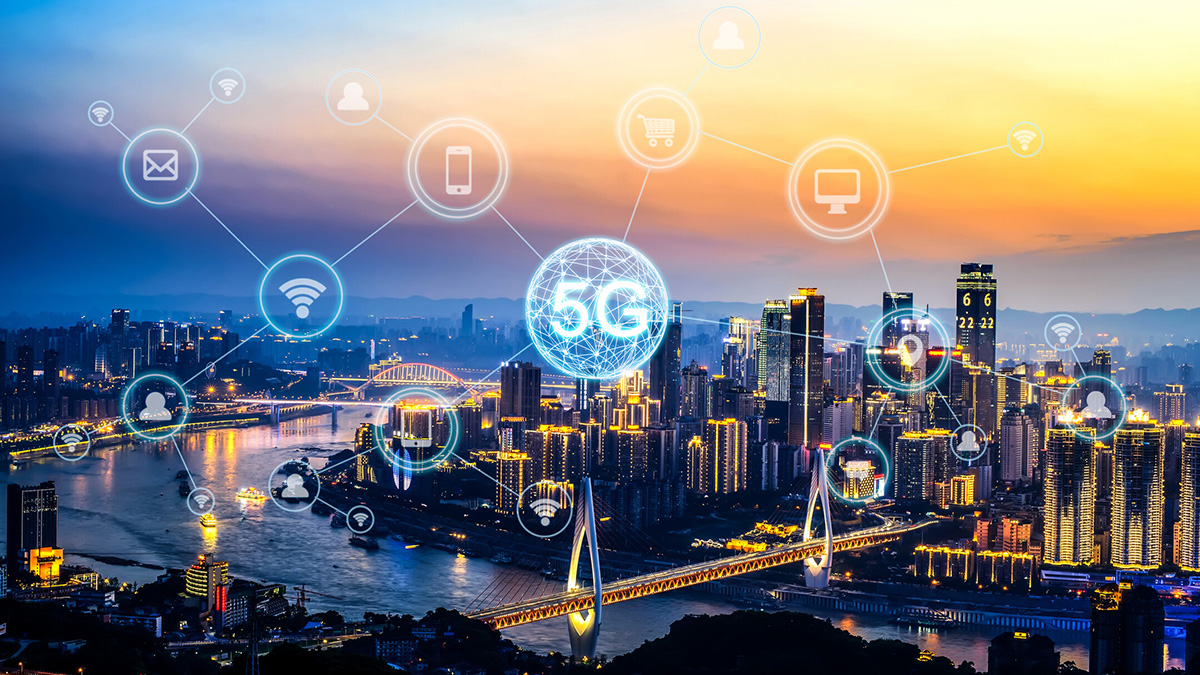
To meet the innovative application needs of the next generation, while ensuring the best user experience and energy efficiency, MediaTek pointed out today that 6G will enable ubiquitous global network connectivity, and 6G data transmission rates will increase to 10 to 100 times that of 5G's, giving ultra-low latency that will match the requirements of advanced applications.
2022-01-26 14:52:17
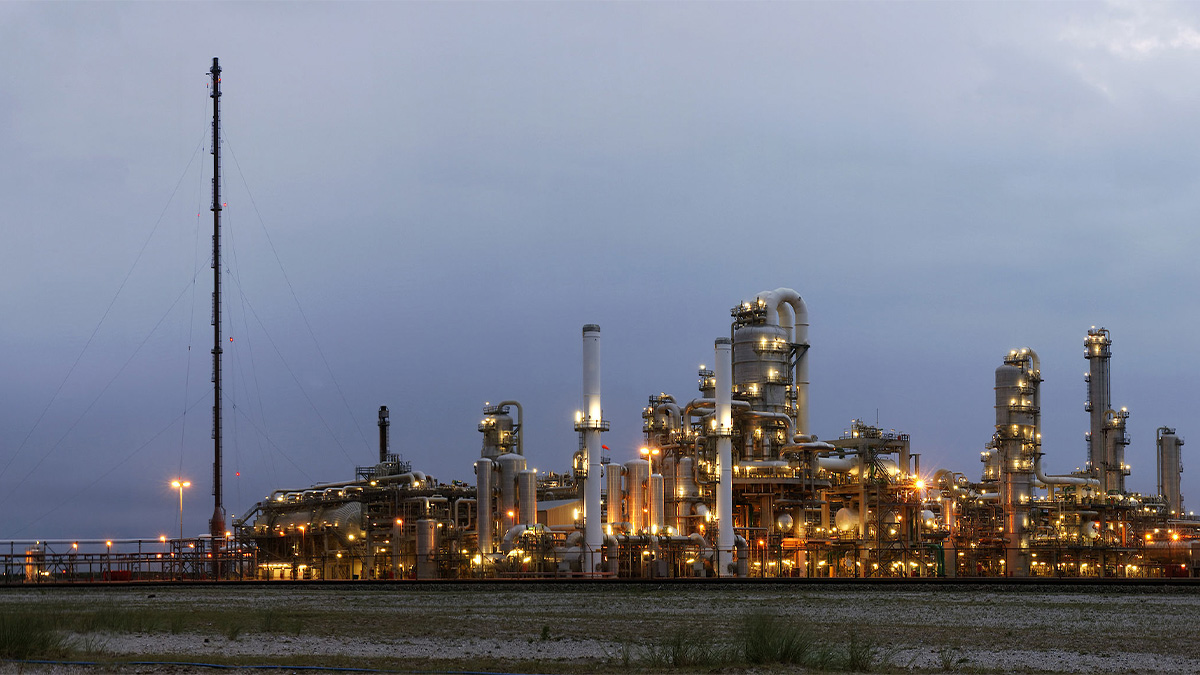
In recent years, advanced countries have carried out power grid upgrade plans. To promote energy conservation and carbon reduction policies, Taiwan has advanced the Automated Metering Infrastructure (AMI) as one of its national energy conservation and carbon reduction plans, with 4G/5G and other communication industries included in the plan. The development and integration of smart grid applications and 5G communication technology will be important industrial advances worth paying attention to.
2022-01-26 10:07:01

The unmanned aerial vehicle, (UAV) commonly called a drone, is small in size but can be equipped with numerous functional capabilities. UAVs can be used to replace people in performing unpleasant, dull, and dangerous tasks. By improving execution efficiency and reducing risk to operators, they can take advantage of these features to expand the range of market applications.
2022-01-25 13:11:32

The rapid development of science and technology innovation, the rise of the knowledge economy, the acceleration of economic globalization and informatization, the creation, utilization, and protection of intellectual property rights have become important factors in promoting national economic development. Many countries are implementing or starting to formulate development strategies related to intellectual property rights to enhance the country's competitiveness in international economic and trade activities.
2022-01-24 11:53:01
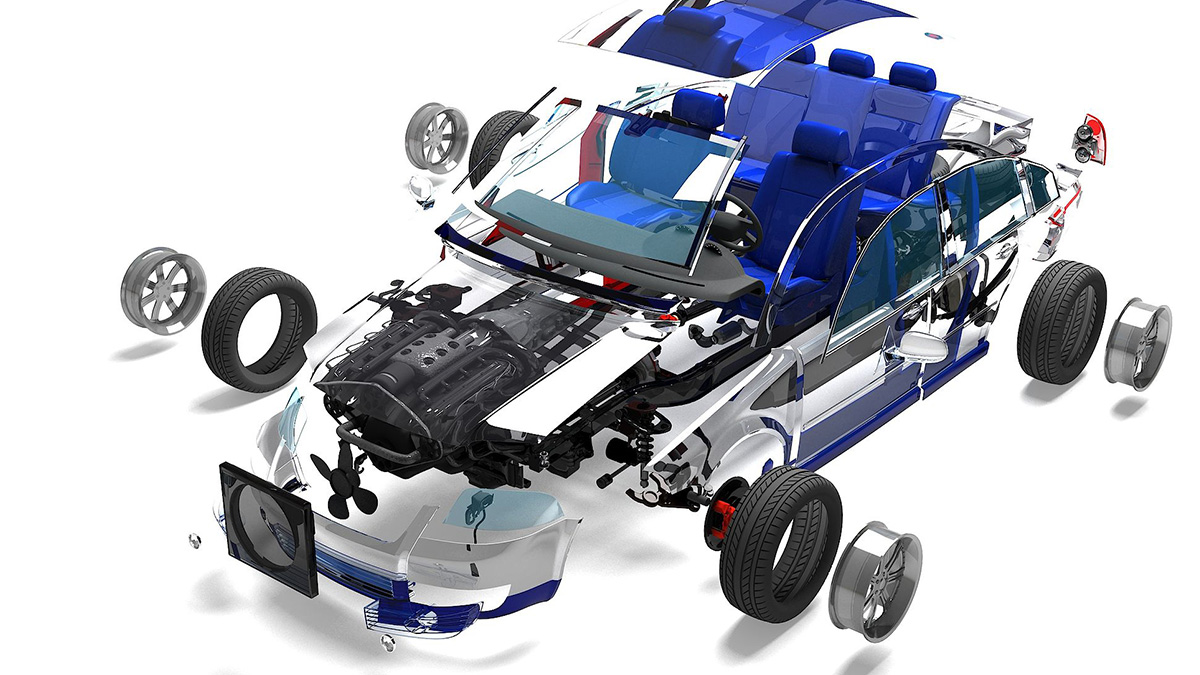
MCUs (microcontroller units) have a wide range of terminal applications, including home appliance controls, automotive electronics, education and entertainment, medical equipment, etc. Among them, automotive electronics and the Internet of Things are the main driving forces of the MCU industry.
2022-01-24 10:56:06

To maintain the accuracy of finished products in the manufacturing industry, rapid detection and adjustment of machine tool performance is essential.
2022-01-21 14:57:05
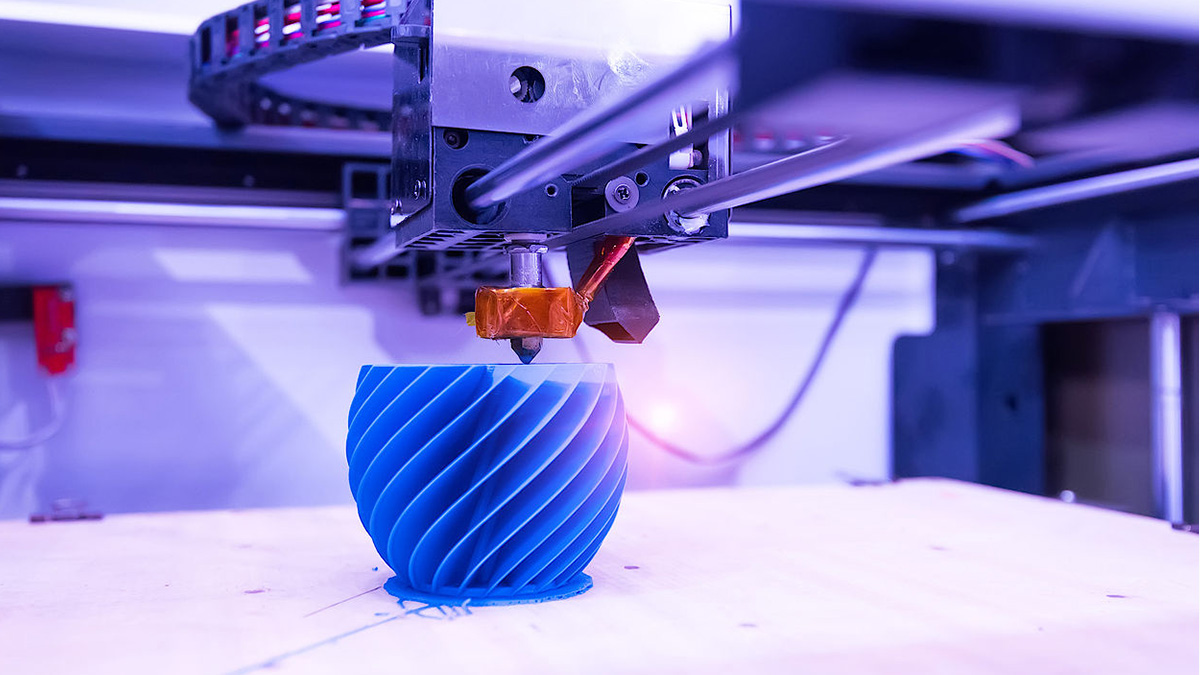
The global manufacturing industry is moving towards intelligent manufacturing, and Industry 4.0 is driving the manufacturing industry towards trends of higher efficiency, lower costs, and intelligent and flexible production. The nine technologies of Industry 4.0 include Big Data, Laminated Manufacturing, Cloud Technology, Automation, System Integration, Internet of Things, Cyber Security, Augmented Reality, and Simulation.
2022-01-21 10:42:18

Natural Language Processing (NLP) is a subfield of computer science and artificial intelligence that focuses on how to get computers to process and analyze large amounts of human natural language data. Common NLP challenges are speech recognition, natural language understanding, machine translation, and natural language generation.
2022-01-19 14:14:12
Hot Topic
Agree