
Insights

As cycling becomes more popular globally, particularly in the high-end sports bicycle sector, the demand for precision parts is steadily increasing. These components not only play a central role in a bike's performance but are also a direct reflection of the rider's experience. Many international brands are now placing a greater emphasis on personalized design and high-quality machining to meet the diverse needs of different users.
2025-08-14 17:08:46

In 2025, the global healthcare system faces the dual challenges of a surge in chronic diseases and an aging population. The focus is shifting from treating a single illness to promoting holistic health. In the post-pandemic era, the demand for mental health services has risen sharply, with a continuous increase in the number of people suffering from anxiety and depression. To meet this challenge, healthcare institutions are actively adopting a dual-track strategy, focusing on expanding behavioral health services and ensuring seamless transitions to post-acute care. This approach is designed to enhance the continuity of patient care and improve long-term health outcomes.
2025-08-14 16:58:00

Pneumatic tools are a category of industrial equipment powered by compressed air, widely used across manufacturing, assembly, maintenance, and construction sectors. Compared with electric tools, pneumatic tools are lighter in weight, deliver consistent output, offer high durability, and provide superior safety. These advantages make them the preferred choice for professionals in scenarios that require prolonged, high-frequency, and high-precision operations.
2025-08-14 16:28:37
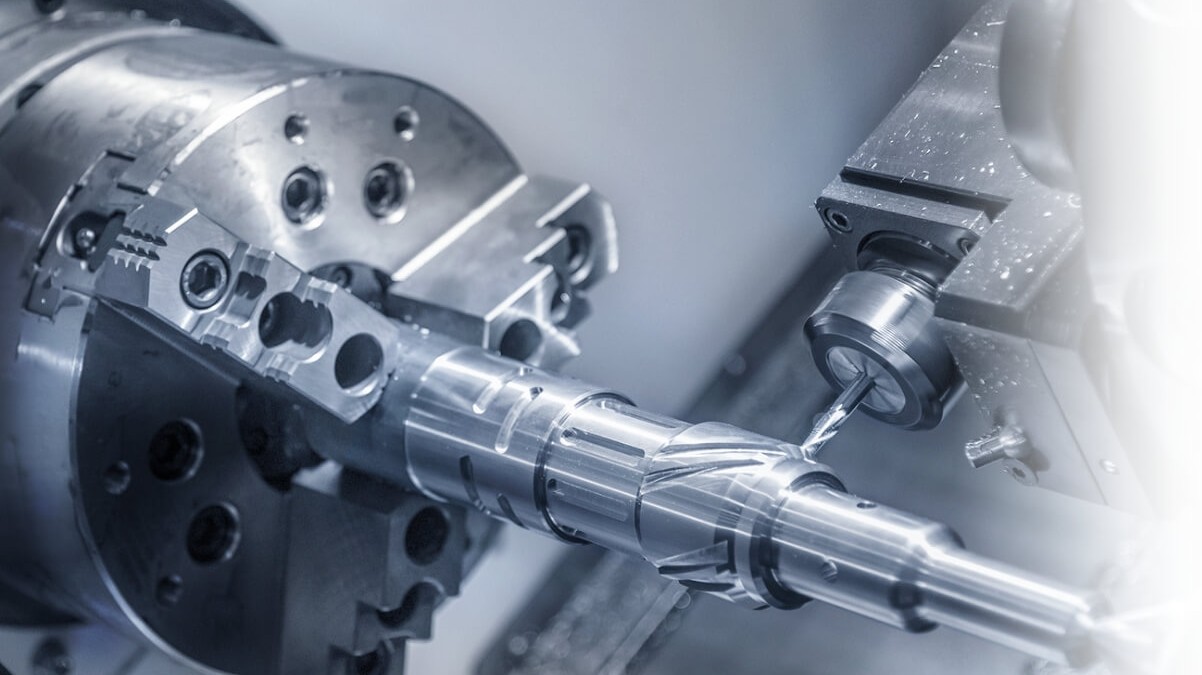
Founded in 1987, Yung Cheng Shun Industrial Co., Ltd. (YCS) began with a mission to "provide customers with reliable, high-quality precision parts." For over three decades, it has evolved from a small traditional lathe workshop into an internationally renowned CNC precision machining manufacturer, trusted by OEM and ODM clients across various industries.
2025-08-14 16:37:42

In pursuit of a fast-paced life, we often overlook our body's warning signs. According to the Health Promotion Administration, Ministry of Health and Welfare, chronic diseases like hypertension and diabetes have become a hidden threat to public health. Though these conditions progress slowly, long-term neglect can lead to serious consequences such as heart disease or stroke. This article will help you understand their causes and provide a simple “self-health management process” to proactively take control of your health.
2025-08-14 16:23:28

In office buildings, hospitals, factories, or exhibition venues, employees and visitors often wear ID badges with holders and lanyards. These may look like ordinary accessories, but in reality, they serve as the first line of defense for safety management and operational flow. With the global wave of smart security and digital transformation, these small accessories are quietly evolving into essential components of intelligent identification systems. An Ching Industry Co., Ltd. — known by its brand Your ID Partner — has been driving this transformation, leveraging over 45 years of manufacturing expertise to bring traditional ID accessories into a future of broader functionality and application.
2025-08-14 16:14:56

In recent years, the global freight market has continued to expand. In 2023, worldwide freight volume reached 11.6 billion tons, with maritime shipping still accounting for the largest share, while air and land transport have grown rapidly due to the rise of e-commerce. In the face of trends such as digitalization, automation, and low-carbon transportation, companies that leverage the latest transportation data and models will gain a competitive advantage and be better equipped to respond to future market changes.
2025-08-14 15:40:28

Freight logistics is a critical component of modern supply chains. It encompasses not only the transportation of goods from origin to destination but also transportation planning, risk management, warehousing, and the integration of information technology. Professional freight operations can significantly enhance transportation efficiency, reduce costs, and ensure the safety of goods.
2025-08-14 14:06:43
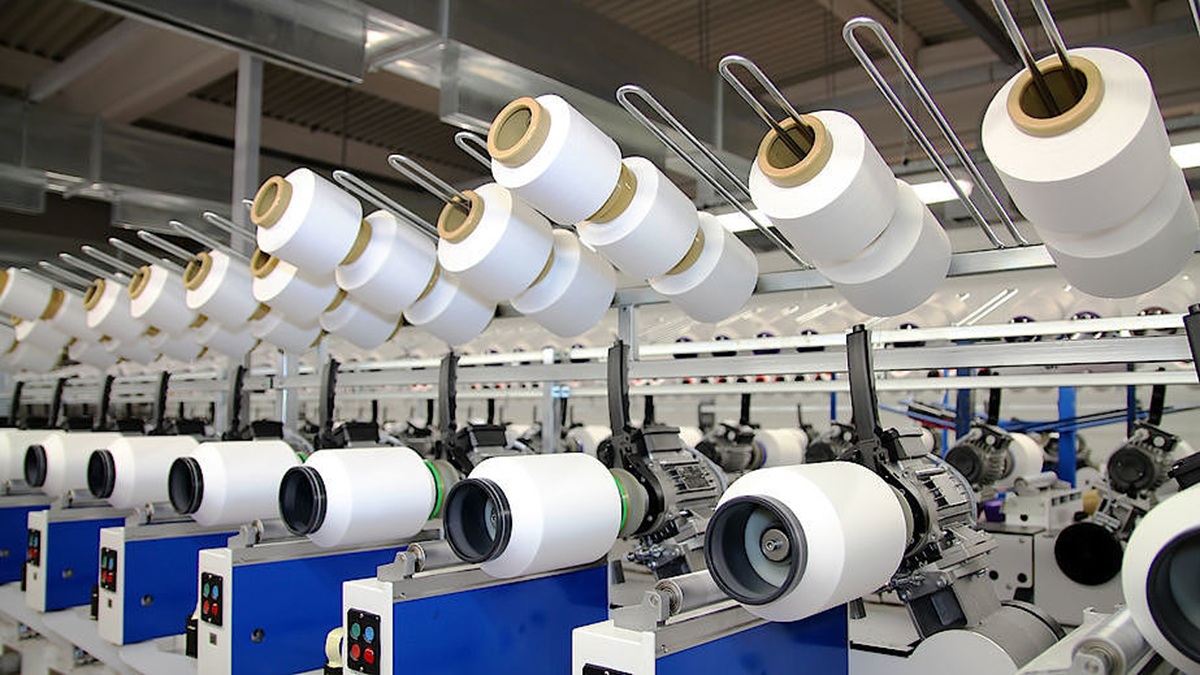
Historically, the global textile industry relied on mass production and economies of scale for low-cost manufacturing. However, as consumer demands become increasingly diverse and dynamic, small-batch, high-mix production and fast delivery have become the market mainstream. Taiwan, with its complete and advanced textile supply chain and high-end functional fabric technology, has long demonstrated competitiveness on the international stage. Facing global supply chain restructuring and the fast fashion trend, Taiwan's textile industry is actively pursuing a digital and localized transformation. The goal is to build a flexible, responsive agile supply chain, making manufacturing a sustained competitive advantage.
2025-08-14 14:58:50

The article explores the significance of RF filter output formats and their impact on performance, reliability, and application. It discusses three main types: Connector Type (robust connections for high-power applications), SMD Type (compact and suitable for PCB integration), and Pin Type (durable through-hole mounting for industrial and automotive use). Key challenges include maintaining consistent impedance matching, minimizing insertion loss, and ensuring mechanical strength across formats. Choosing the right format depends on the device, installation, and operational requirements, while designing a single filter that performs well across all formats remains a technical challenge in RF engineering.
2025-08-14 14:16:26
Hot Topic
Agree