
Insights
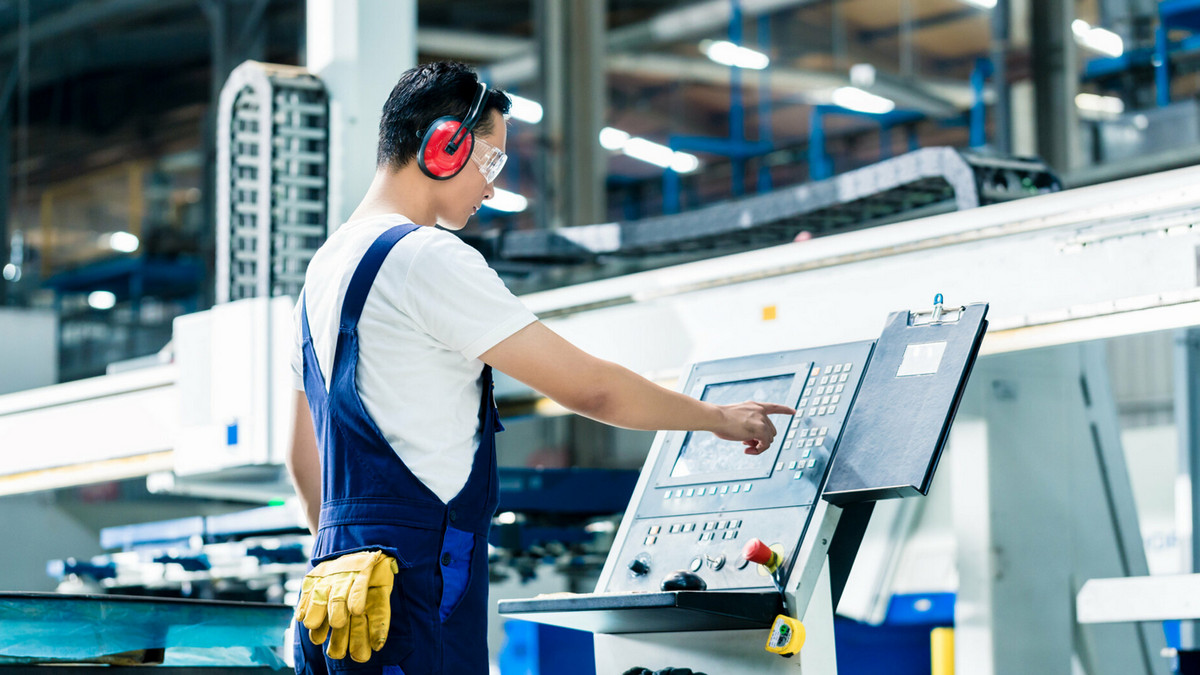
A new generation of HMIs (Human Machine Interfaces) is replacing the traditional buttons, indicators and selectors used to control machines with updated technology and components that reduce the dependence on a large number of display panels and cables. HMIs reduce operating costs and their advanced functions enhance monitoring of equipment.
2022-06-21 16:10:22
Any electronic product must use two components, so-called "active components" and "passive components". "Active components", as the name suggests, are components that can actively perform operations independently, while "passive components" play a passive protective role. When an electronic product changes current or voltage, the role of "passive components" is to protect "active components" by means of lowering voltage, filtering noise, etc. To put it simply, "passive components" with low unit prices are always ready to protect the safety of "active components" with high unit prices.
2022-06-21 15:58:05
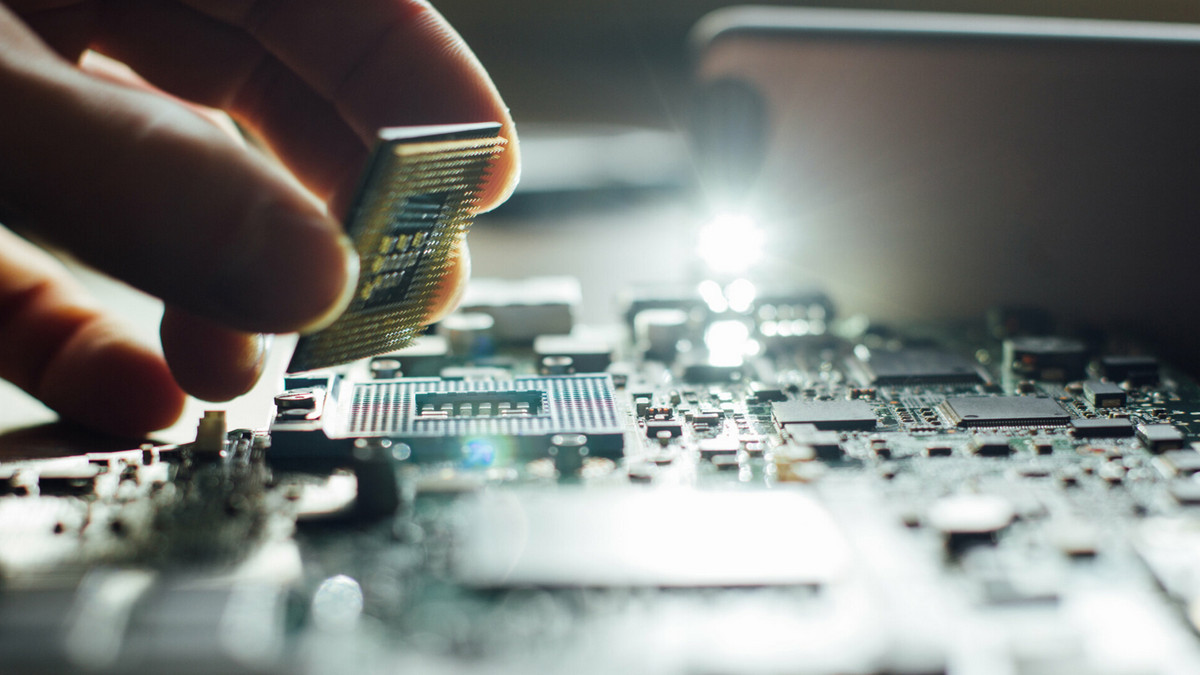
The first and second generations of semiconductors used silicon (Si) and gallium arsenide (GaAs) as their base material. Wide Bandgap semiconductors refer to new semiconductors produced in a third generation of semiconductors which use silicon carbide (SiC) and gallium nitride (GaN) as their base material.
2022-06-21 11:24:30
GaN and SiC - Third-generation semiconductor materials have been widely used in producing blue and green LEDs and lasers. GaN and SiC production has become an essential technology for many semiconductor manufacturers.
2022-06-21 09:32:12
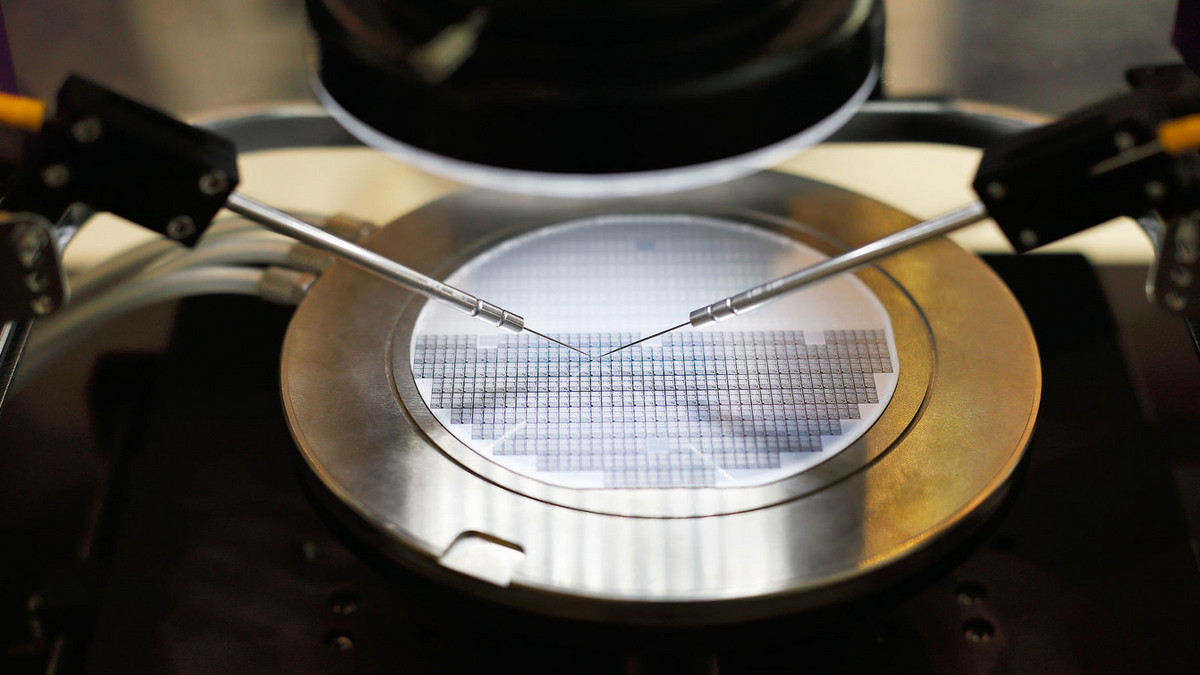
When reading or hearing about the semiconductor industry, we often hear the term wafer mentioned. But what exactly is a so-called wafer? What does an “8 inch” or “12 inch” wafer refer to? How difficult is it to produce large-sized wafers? The following is a step-by-step introduction to the most important foundation of semiconductors, the wafer.
2022-06-20 16:51:16

According to estimates, the compound annual growth rate (CAGR) of the global warehousing automation market is expected to reach 12.6% in 2023. Private equity firms are actively involved in acquisitions to improve products and services and increase revenue.
2022-06-20 11:46:22
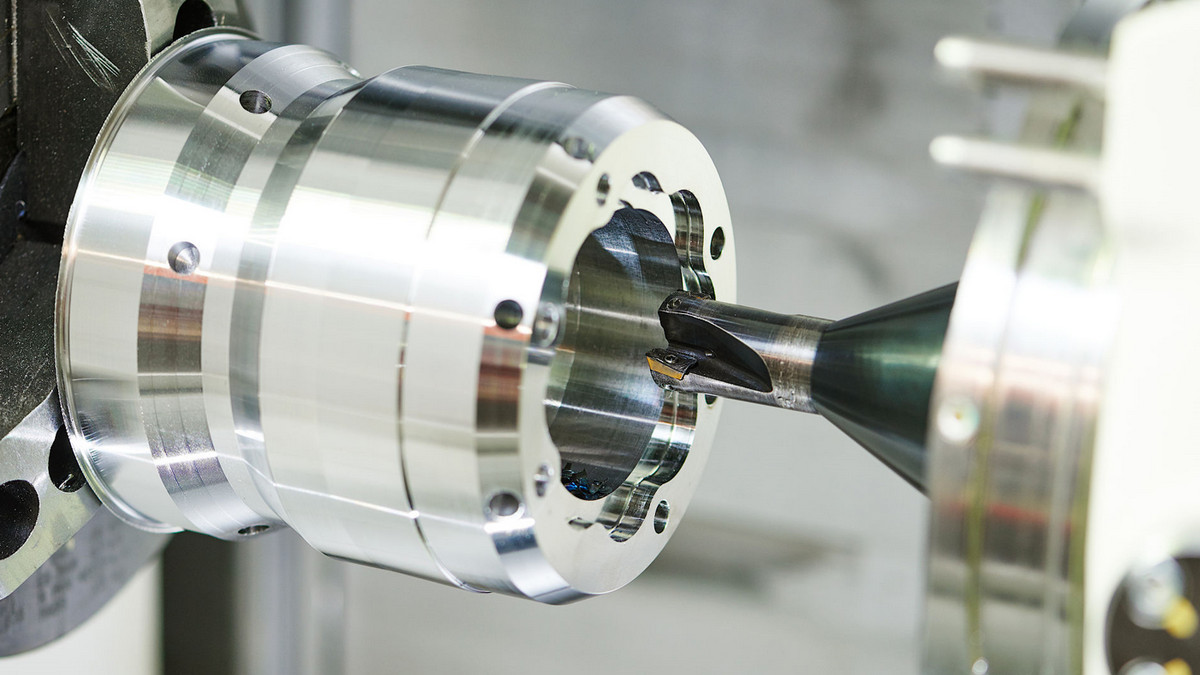
Machine tool is a machine for manufacturing various machines and processing equipment, which occupies a key position in the national industrial development. In response to the global digital transformation, machine tools are also moving towards smart machines.
2022-06-20 09:59:09
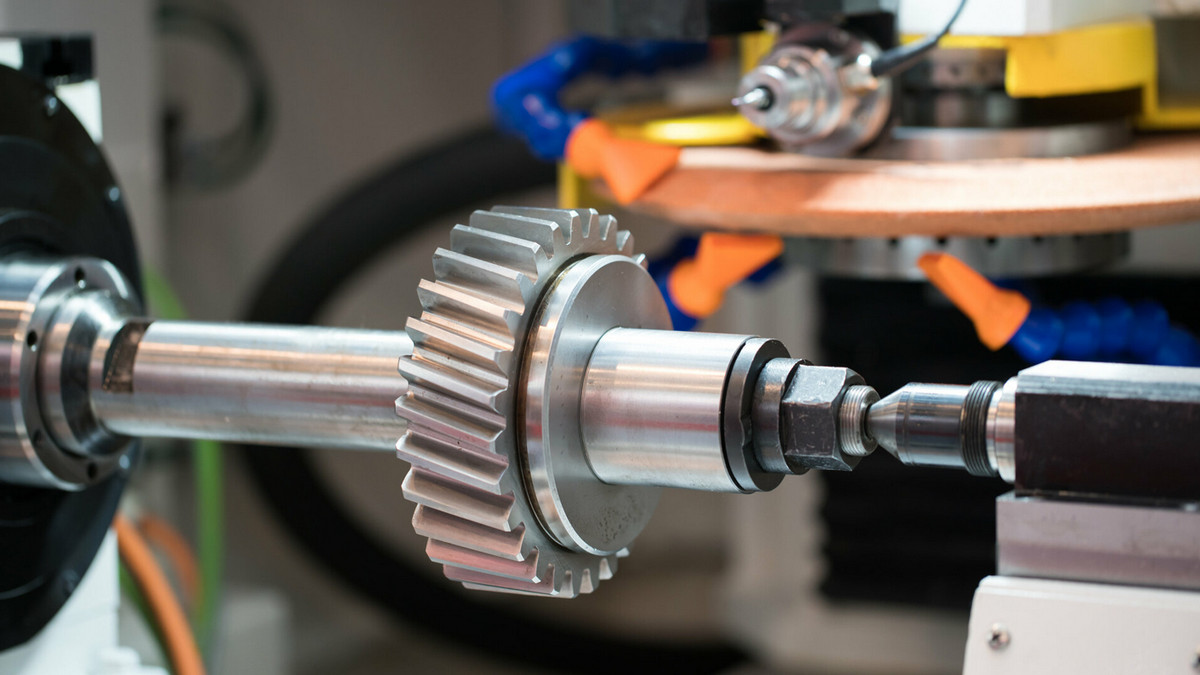
Broaching is a machining process that uses a toothed machining tool, called a broach, to cut material from a workpiece. The broach has a series of cutting tips arrayed in sequence on one tool. The cutting tips become progressively larger across the span of the tool. Across the span of the broach, the cutting tips will progress from rough cutter tips to fine cutter tips. The broach is inserted into a machine called a broaching machine, which drives the broach.
2022-06-17 10:31:09

A light sensor is a sensor that converts light signals into electrical signals using photosensitive elements. The light sensor is usually composed of both a light projector and light receiver. Light sensors are generally composed of three elements: a light source, an optical path and optoelectronic components. The measured optical changes are converted into changes in electronic signals with the help of photoelectric components. With the growth and development of Internet of Things technology, the application of light sensors is entering all aspects of daily life.
2022-06-16 16:51:29
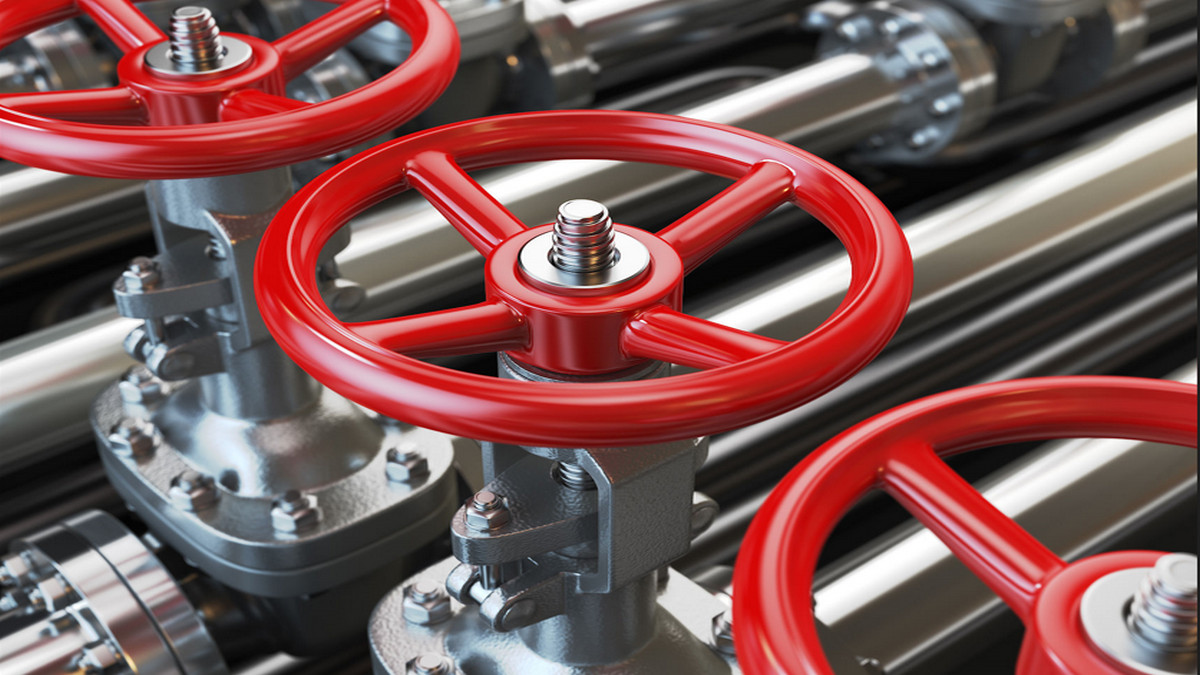
The valve is an important adjustment device used in fluid transportation systems. It can turn the flow on or off and control the rate and direction of flow of the fluid. There are many types and specifications of valves, with various work requirements. The working principles, advantages and disadvantages of five common types of valves are described is this article.
2022-06-16 16:46:58
Hot Topic
Agree