
Insights
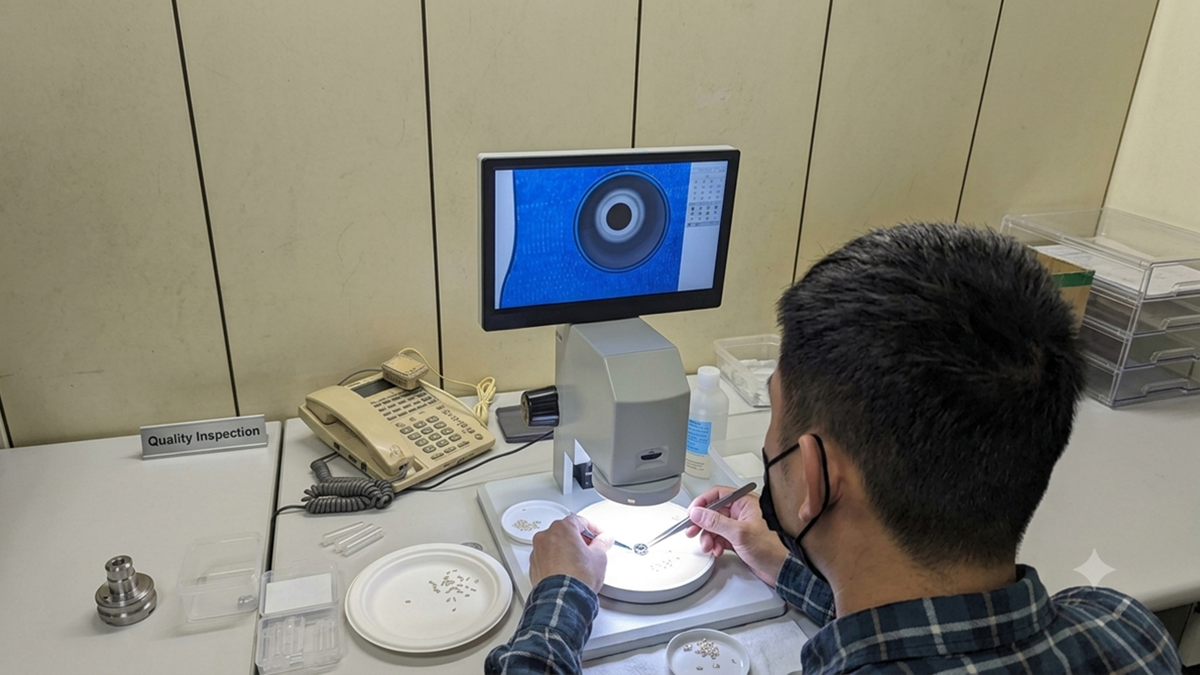
PEEK is a high-performance engineering plastic used in demanding industries that need heat resistance, chemical resistance, and dimensional stability. This article explains where PEEK adds the most value, how it is used in medical, semiconductor, aerospace, and industrial applications, and what engineers should consider before CNC machining and production scale-up.
2026-06-10 16:22:55
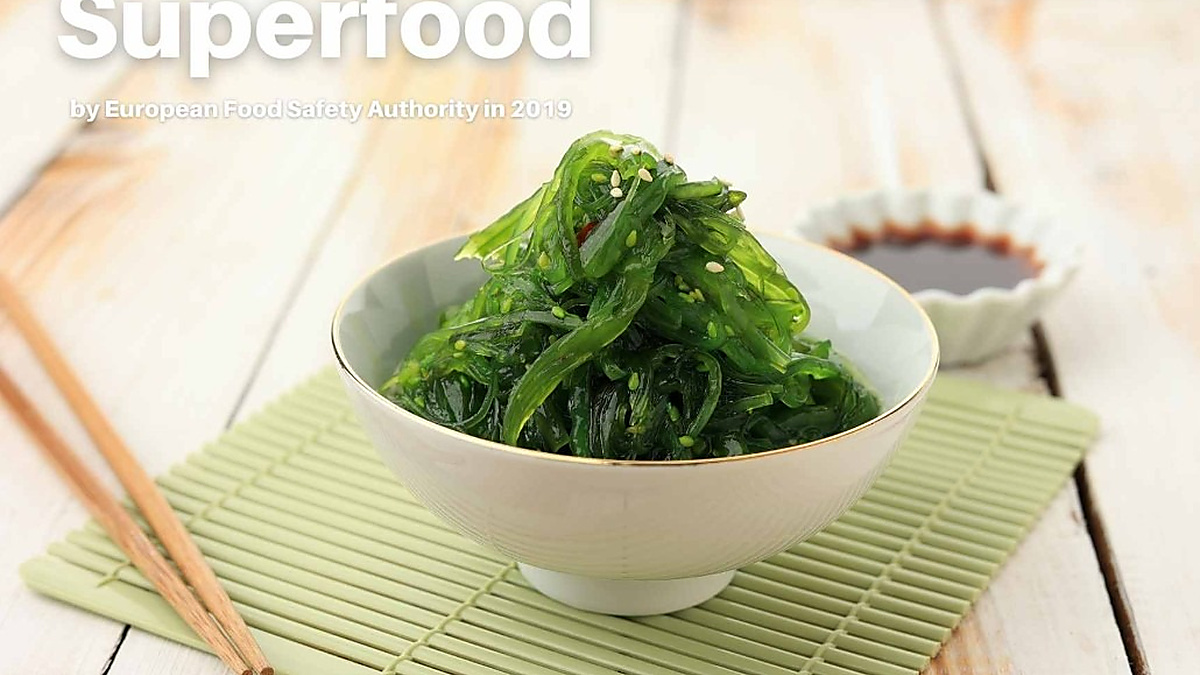
Why Seaweed Is Becoming a Strategic Ingredient Opportunity in Europe
2026-06-09 18:06:15
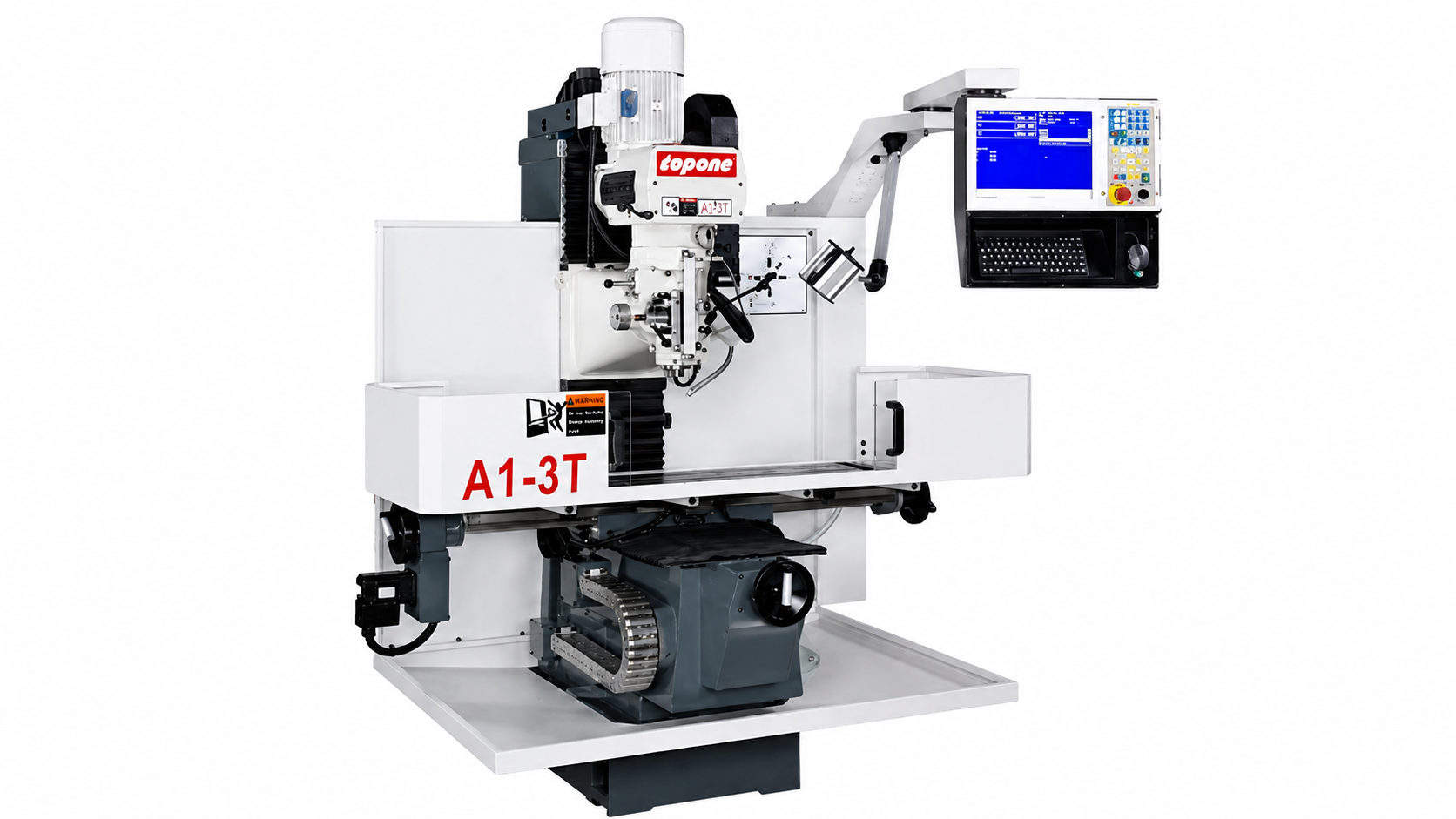
Why Choosing Between a Knee Mill and a CNC Bed Mill Matters
2026-06-09 17:24:22
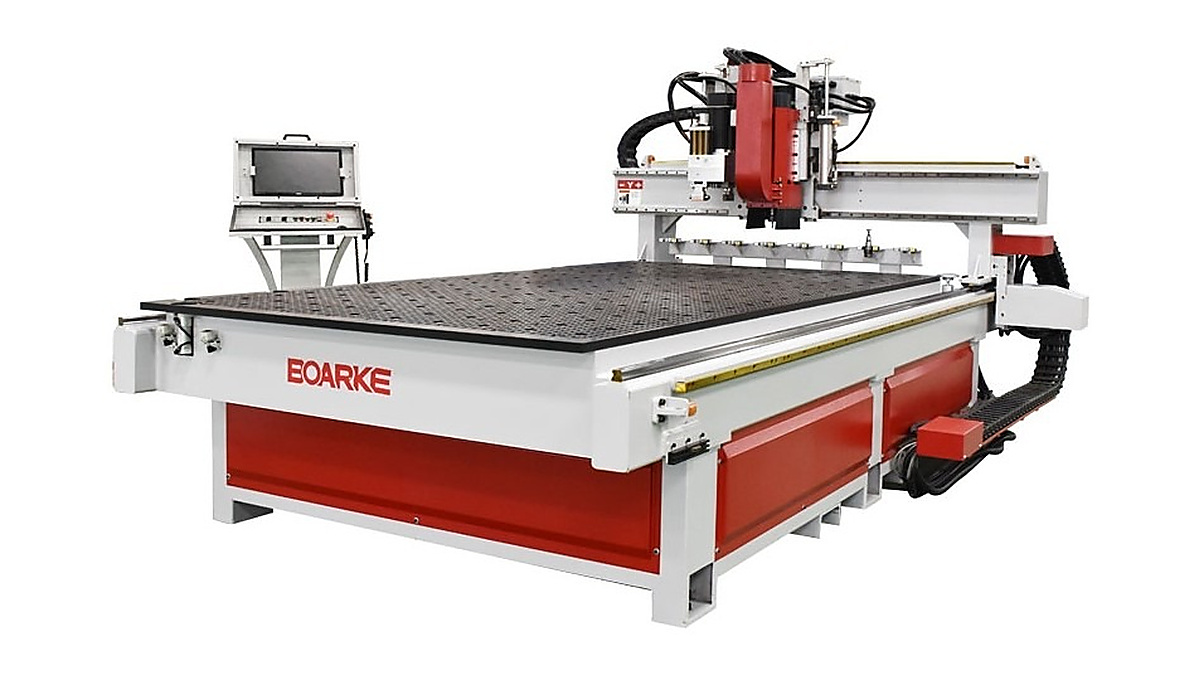
Why the Modern CNC Wood Machine Has Become a Strategic Production Asset
2026-06-09 16:32:46
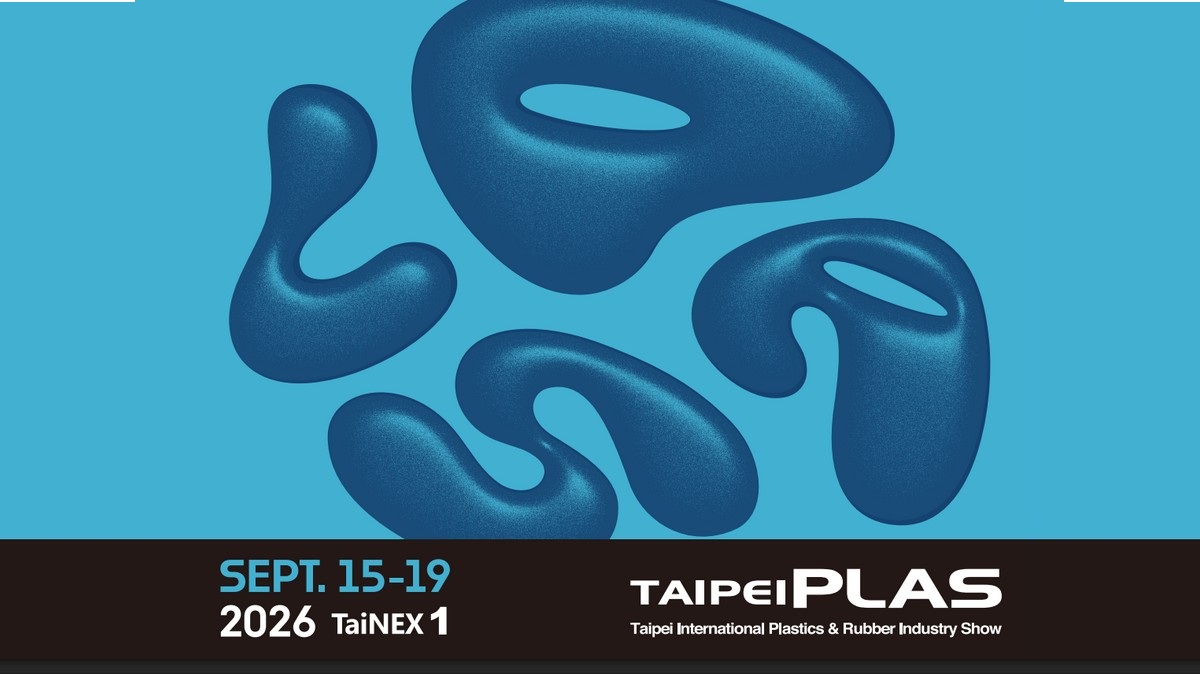
TaipeiPLAS 2026 returns to TaiNEX 1 from Sept. 15-19, showcasing Taiwan's premier smart plastics and rubber machinery ecosystem, sustainable low-carbon workflows, and automation turnkey solutions for global buyers.
2026-06-09 10:51:06
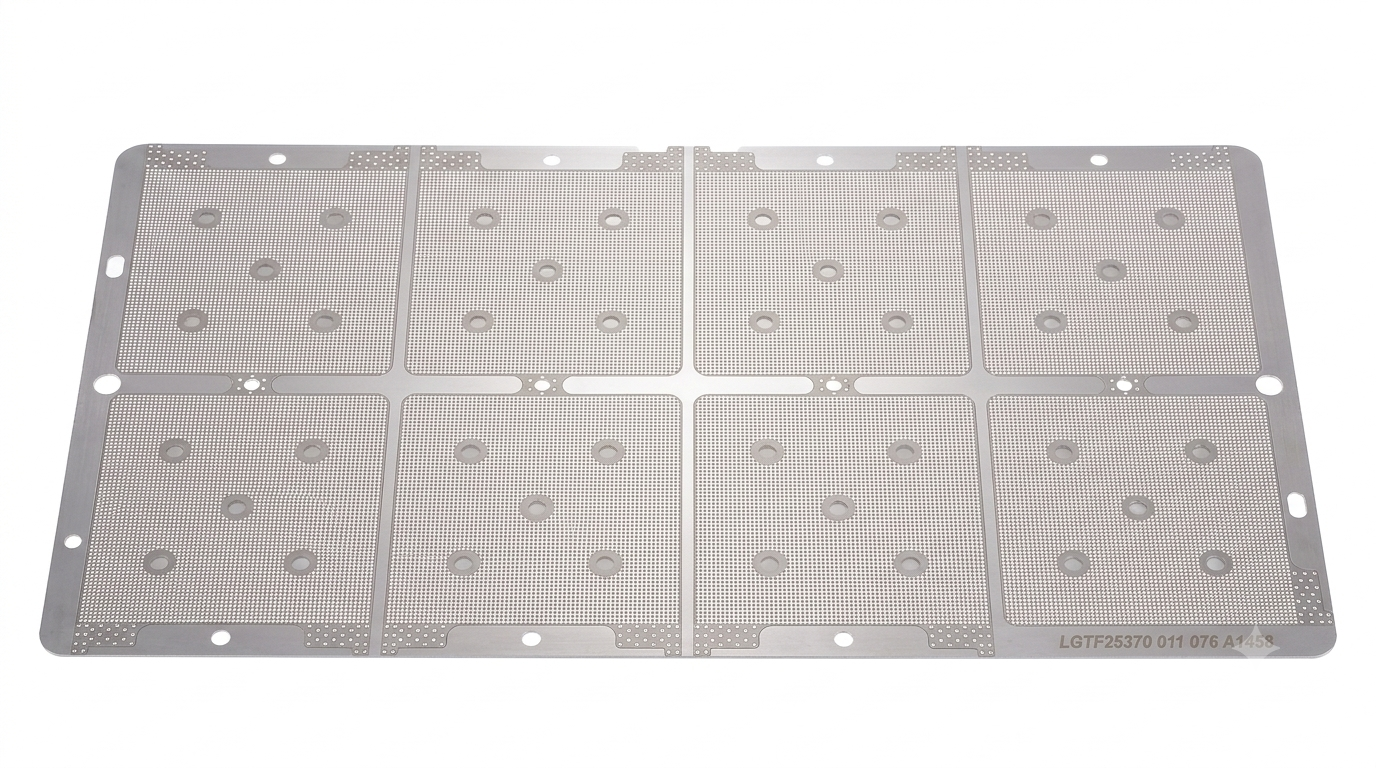
As manufacturing environments become more compact, more precise, and more automated, components that were once treated as secondary are gaining much greater technical importance. Among them, the tcp thin carrier plate has become increasingly relevant in high-density production, especially in processes involving precision transfer, terminal handling, dipping-related applications, and repeated automated movement. For procurement teams, process engineers, and equipment integrators, the decision is no longer just about whether a carrier plate can physically hold a part. The more important question is whether it can maintain stable performance under real production conditions. In high-density manufacturing, even a small variation in flatness, thickness consistency, rigidity, or thermal behavior may lead to process instability, lower yield, or increased equipment interruption. This is why the tcp thin carrier plate is now being assessed more carefully as a process-critical component rather than a simple fixture.
2026-06-05 15:39:51

When people discuss green building, the spotlight usually falls on insulation, low-carbon concrete, recycled materials, high-efficiency glazing, or renewable energy systems. Yet as ESG standards, carbon disclosure requirements, and lifecycle-based procurement continue to reshape the construction industry, another category is quietly being reassessed: fasteners and building screws. This shift reflects a broader market reality. Sustainable construction is no longer judged only by whether major materials are labeled “green.” It is increasingly evaluated by whether the entire building system can deliver longer service life, lower maintenance demand, easier repair, reduced waste, and better compliance performance. In that context, the humble construction screw is no longer just a low-cost fixing component. It is becoming part of the larger conversation around durability, lifecycle value, and environmental responsibility. For buyers, project owners, architects, and contractors, this matters more than it may first appear. Screws are low-cost items individually, but they are used in very large quantities. Once issues such as corrosion, installation inefficiency, maintenance difficulty, or compliance gaps are multiplied across a full project, the consequences become significant in both operational and environmental terms.
2026-06-05 13:49:06
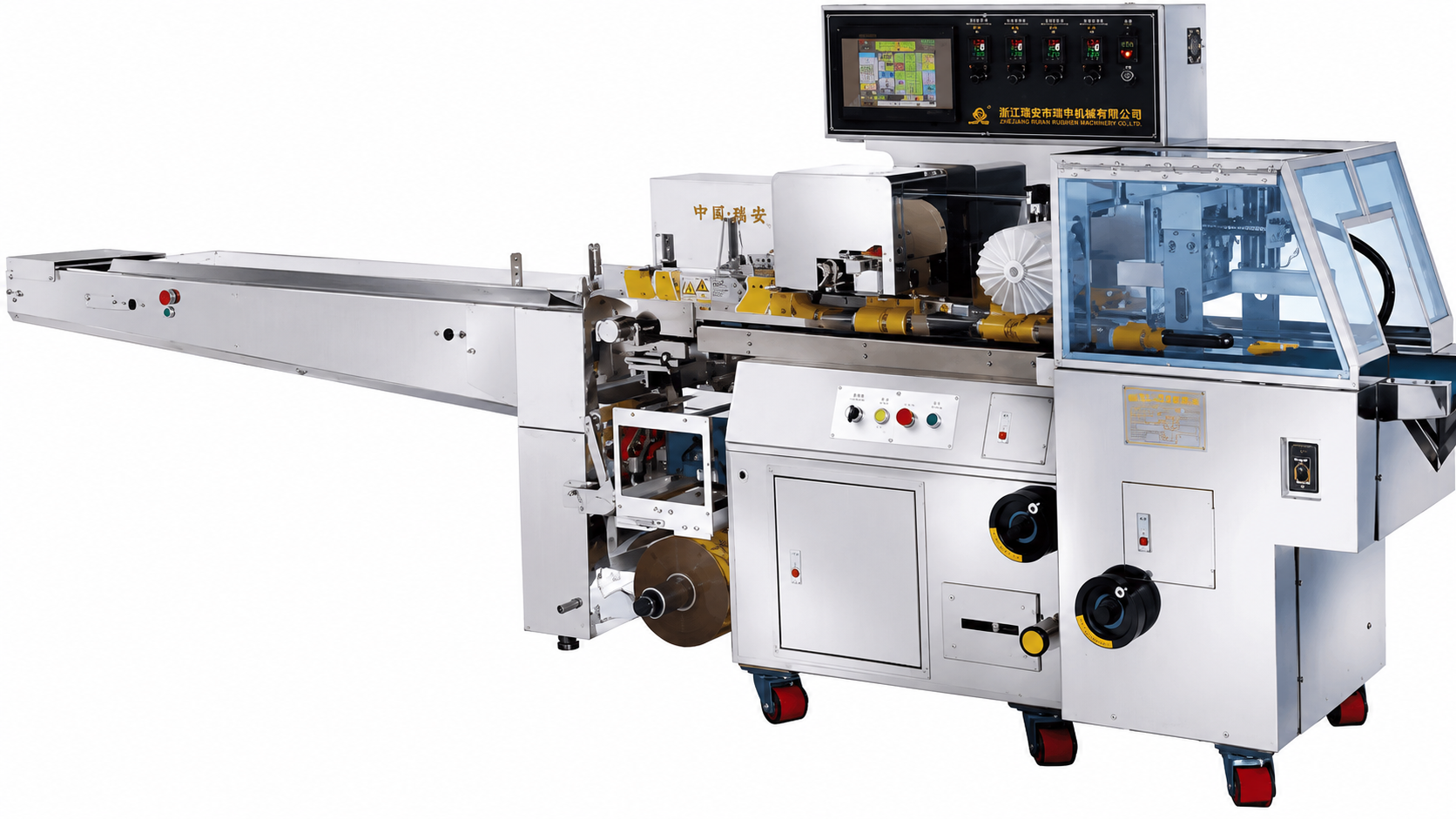
In fresh produce retail, packaging is not simply the final step before products reach store shelves. It directly affects freshness, appearance, handling efficiency, and how confidently consumers choose what they buy. For supermarkets and produce packing operations, the challenge is clear: how can fresh vegetables be packed faster and more consistently without sacrificing quality? This was the practical issue facing TAWA Supermarket in California. With more than 60 supermarket locations across the region, TAWA relies on a central market operation to select fresh vegetables from nearby farms and prepare them for retail distribution. To support this high-volume workflow, TAWA needed a packaging solution that could protect produce quality, improve operating efficiency, and keep up with growing output demand. This case shows how Tai Dragon Machinery Co., Ltd. helped address those needs through its vegetable packing machines and labeling solutions.
2026-06-03 18:34:46
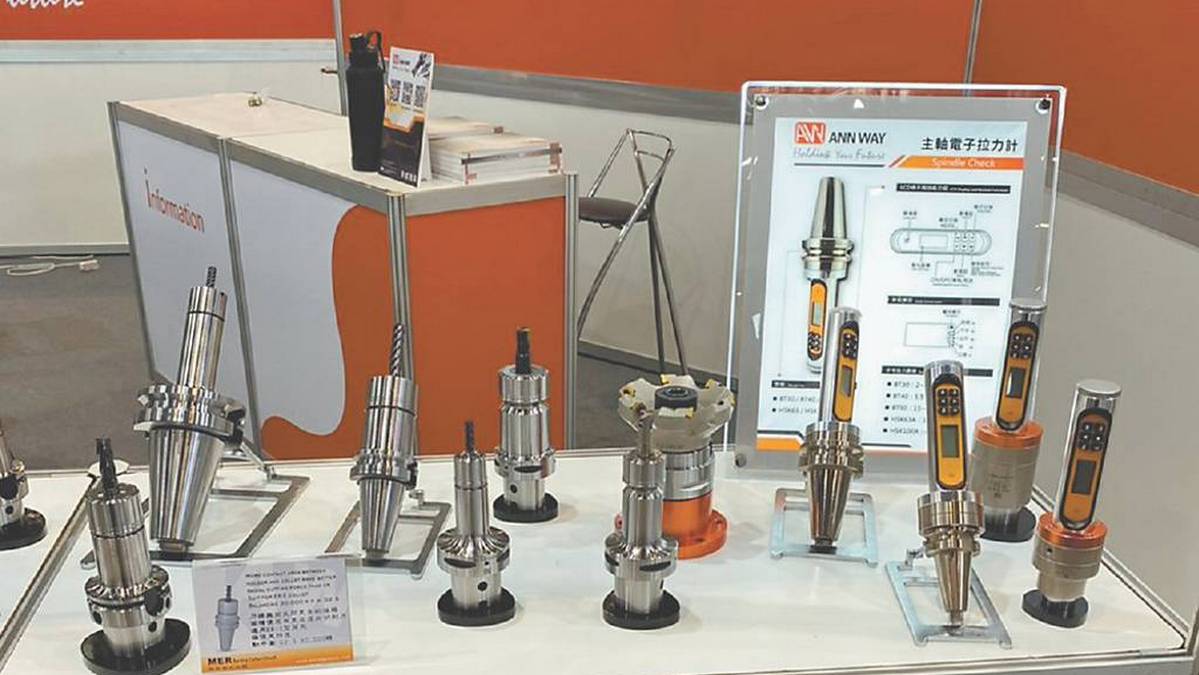
Ann Way spotlighted the DSC Digital Spindle Check and CNC boring-milling cutting tools at the Tainan Automatic Machinery & Intelligent Manufacturing Show. The two product lines highlighted the company’s approach to precision manufacturing, spindle monitoring, and smart machining applications.
2026-06-03 15:04:23
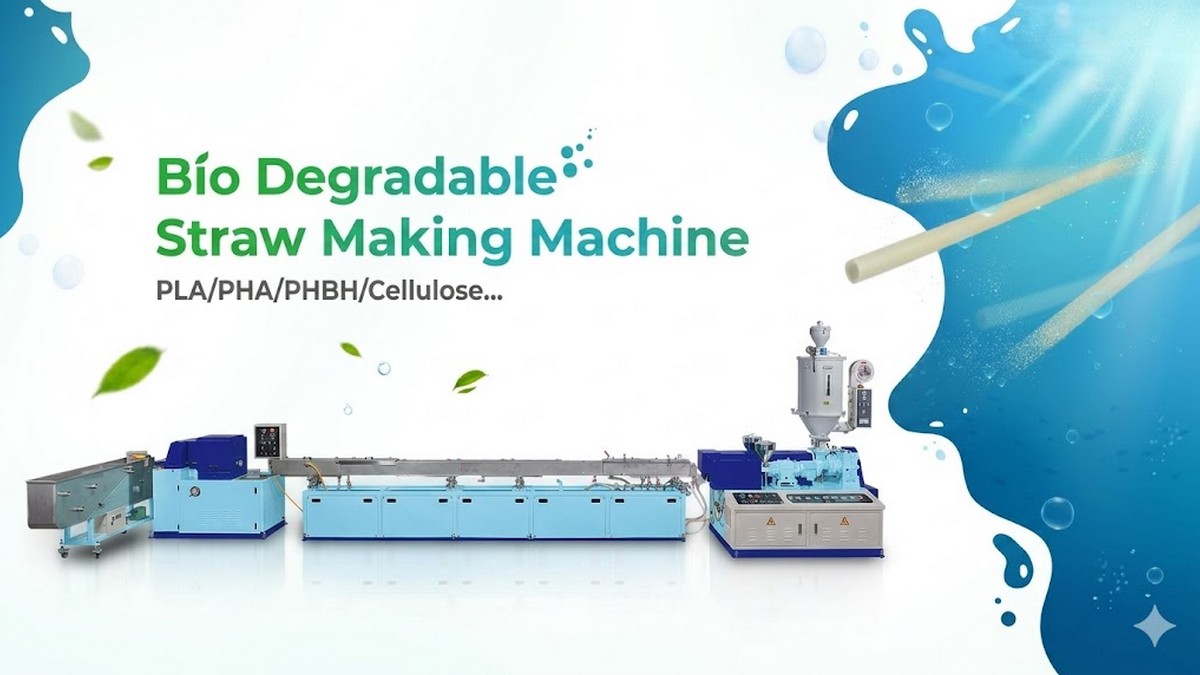
This article examines how biodegradable straw making machines are supporting the shift toward sustainable packaging production. It covers PLA and paper straw manufacturing technologies, automation trends, production challenges, and key factors manufacturers should consider when selecting biodegradable straw production equipment.
2026-05-27 11:00:48
Hot Topic
Agree