Emerging Applications of Grinding Machines in Diverse Industries
Knowledge

Emerging Applications of Grinding Machines in Diverse Industries

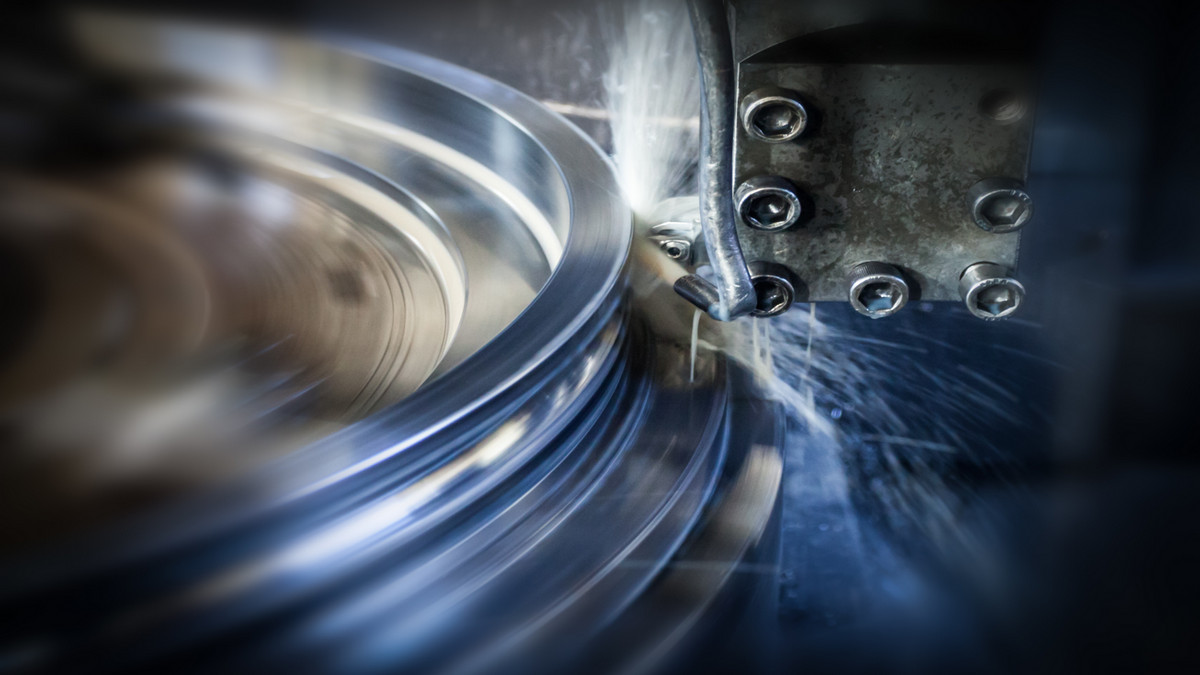
Precision grinding machines have transcended their traditional applications to become indispensable tools in aerospace, automotive, medical device manufacturing, and more. From complex components to advancements in machinery, the versatility of grinding technology is reshaping the way components are produced and refined.
Published: Oct 22, 2024
Emerging Applications of Grinding Machines in Diverse Industries

Expanding Use of Grinding Machines in Diverse Industries

Grinding machines have evolved from their conventional role in metalworking to become indispensable tools for processing multiple new materials, including ceramics, composites, and advanced polymers. The ability to process multiple materials has opened up new and diverse applications across aerospace, automotive, medical device manufacturing, and other sectors.

Aerospace

Precision is paramount in the aerospace industry, where components must meet stringent standards for safety and performance. Grinding machines are extensively used in the production of critical components such as turbine blades, fuel injection systems, and landing gear parts. The capability to achieve tight tolerances and superior surface finishes ensures optimal aerodynamics and structural integrity.

Automotive

In the automotive sector, grinding machines are vital for manufacturing precision components like crankshafts, camshafts, and transmission gears. High-efficiency engines and lightweight materials require advanced grinding technologies to achieve the required precision and surface quality. As automotive manufacturers push the boundaries of efficiency and performance, aiming to improve fuel efficiency and enhance overall vehicle performance, grinding technology is evolving to meet these demands.


Medical Device Manufacturing:

In medical device manufacturing, even the smallest components must adhere to exact specifications, often meeting precision demands at a microscopic level. From orthopedic implants and dental prosthetics to intricate surgical tools, the ability to achieve precise geometries and surface finishes is paramount in ensuring the efficacy and safety of medical devices. The capability to work with a diverse range of materials, including titanium and bioresorbable polymers, is essential.

Adaptability of Grinding Technology to Different Materials and Industry Needs

Grinding machines have the capability to work with a variety of materials, from traditional metals to advanced composites and ceramics.

Metals:

Traditional metalworking still remains a major application for grinding machines, with applications ranging from shaping steel components in automotive manufacturing to producing intricate parts for aircraft.

Composites:

As lightweight materials gain prominence in aerospace and automotive industries, whether it's carbon fiber-reinforced structures in aircraft or composite panels in electric vehicles, grinding machines ensure the desired quality and integrity.

Ceramics:

In medical device manufacturing, ceramics are often employed for their biocompatibility and wear resistance. Grinding machines tailored for ceramic materials play a crucial role in crafting components with intricate shapes and tight tolerances.

Unique Challenges and Requirements

Aerospace and automotive components often pose unique challenges. For instance, in aerospace, turbine blades must withstand extreme temperatures and forces. Automotive components, on the other hand, must balance precision with high-volume production demands. Grinding machines are designed to address these challenges, providing solutions tailored to industry-specific needs. To meet the evolving demands of aerospace and automotive applications, high-speed grinding, multi-axis CNC capabilities, and the integration of intelligent control systems have become standard features. 

Future Trends

Meeting the demands of the aerospace and automotive industries, miniaturization, lightweight materials, and increased efficiency are shaping the next generation of grinding technologies. The ability to grind smaller, lighter, and more complex components is becoming increasingly crucial. As grinding machines continue to break free from their traditional confines, their applications in diverse industries are expanding at an unprecedented pace


Published by Oct 22, 2024

Further reading

You might also be interested in ...

Headline
Knowledge
Understanding Dynamic Balance and Clamping Mechanics in Modern CNC Tool Holders
Precision machining has become increasingly dependent on the performance of the CNC machine tool holder, a component often underestimated in its influence on accuracy, surface finish, and tool life. With today’s high-speed spindles, multi-axis machining centers, and micro-tolerance production standards, the interaction between dynamic balance, runout behavior, and clamping mechanics has never been more critical. This article provides a neutral, engineering-focused analysis of these performance factors and introduces several leading global manufacturers contributing to advancements in tool-holding technology.
Headline
Knowledge
How Hydraulic Power Units (HPUs) Support Green Manufacturing and Energy Efficiency — A Technical Perspective
As manufacturers pursue energy efficiency and carbon reduction, hydraulic systems are being re-engineered to meet green manufacturing standards. Modern Hydraulic Power Units (HPUs), enabled by servo pumps and intelligent control, now deliver on-demand power with significantly lower energy loss, noise, and heat generation.
Headline
Knowledge
How Patent Screws Enhance the Long-Term Durability of Exterior Walls and Roof Systems
In today’s construction industry, the durability of exterior walls and roof assemblies depends not only on design or materials but also on the Patent Screws that secure them. These fasteners endure constant exposure to moisture, UV light, and temperature changes. Traditional screws often fail under these conditions, causing corrosion, leaks, or costly maintenance. This article explores how Patent Screws, with their patented coatings and sealing systems, help engineers and procurement professionals achieve long-term reliability in demanding environments.
Headline
Knowledge
Integrated Plastic Production Workflows: Recycling, Extrusion, and Beyond
In the manufacturing sector, integrated workflows for plastic production—from recycling to film extrusion, bag making, and printing—play a crucial role in enhancing efficiency and sustainability. These systems enable manufacturers to handle the full lifecycle of plastic materials, addressing environmental concerns while optimizing operational costs. As industries shift toward circular economies, understanding these processes provides valuable insights for both new entrants and established operations seeking upgrades.
Headline
Knowledge
Designing Corrosion-Resistant Plastic Magnetic Pumps: Engineering for Longevity
True corrosion resistance is achieved not by material choice alone, but by how materials are engineered into a cohesive pump structure.
Headline
Knowledge
How to Choose the Right Blow Molding Machine: A Practical Buyer’s Guide
In the competitive world of polymer container manufacturing, choosing the right blow molding machine is a strategic decision. A poorly selected machine can lead to inefficiencies, excessive costs, or frequent downtime. In this guide, we present a neutral, buyer-oriented roadmap to help procurement engineers, plant owners, and OEM decision-makers evaluate and select blow molding equipment that truly matches their production needs.
Headline
Knowledge
A Metalworker's Guide to Sawing High-Performance Aluminum Alloys
On the shop floor, the rise of electric vehicles (EVs) and next-generation aircraft means one thing: you're cutting more aluminum than ever before. While this material offers fantastic strength-to-weight properties, it brings a unique set of headaches—gummy build-up, stringy chips, and a tendency to work-harden.
Headline
Knowledge
How Magnetic Drive Pumps Enhance Chemical Reliability in the Evolving Printed Circuit Board (PCB) Industry
The global Printed Circuit Board (PCB) industry is undergoing rapid transformation, fueled by technological upgrades, supply chain restructuring, and rising demand from high-performance electronics. With the market expected to grow from USD 80.3 billion in 2024 to USD 96.5 billion by 2029, manufacturers must focus on improving production stability, chemical reliability, and environmental compliance to stay competitive.
Headline
Knowledge
How to Choose the Right Ball Bearing Drawer Slide: Light, Medium, or Heavy Duty?
Choosing the right Ball Bearing Drawer Slide is essential for smooth operation, reliable load support, and long-lasting performance.
Headline
Knowledge
Stop the Stress: 5 Non-Negotiable Questions to Ask Your Bubble Tea Ingredient Supplier Today
Opening a bubble tea shop is exciting, but the reality is built on a complex, global supply chain.
Headline
Knowledge
Exploring the Pros and Cons of Seal-less Magnetic Drive Pumps in Industrial Use
Industrial process engineers are increasingly adopting seal-less magnetic drive pumps to enhance system safety and reliability. Unlike traditional pumps that rely on mechanical seals, magnetic drive pumps offer a fully enclosed structure that eliminates leakage risks—a major advantage when dealing with corrosive or toxic liquids.
Headline
Knowledge
H-Beams and I-Beams: Modern Cutting Methods for Structural Steel
In structural engineering projects such as bridges, high-rise buildings, and industrial facilities, the accurate cutting of H-beams and I-beams is vital for ensuring safety and structural integrity. Fabricators utilize a variety of cutting methods to meet project demands, including laser cutting, plasma cutting, water jet cutting, and large band saws.
Agree