
Insights
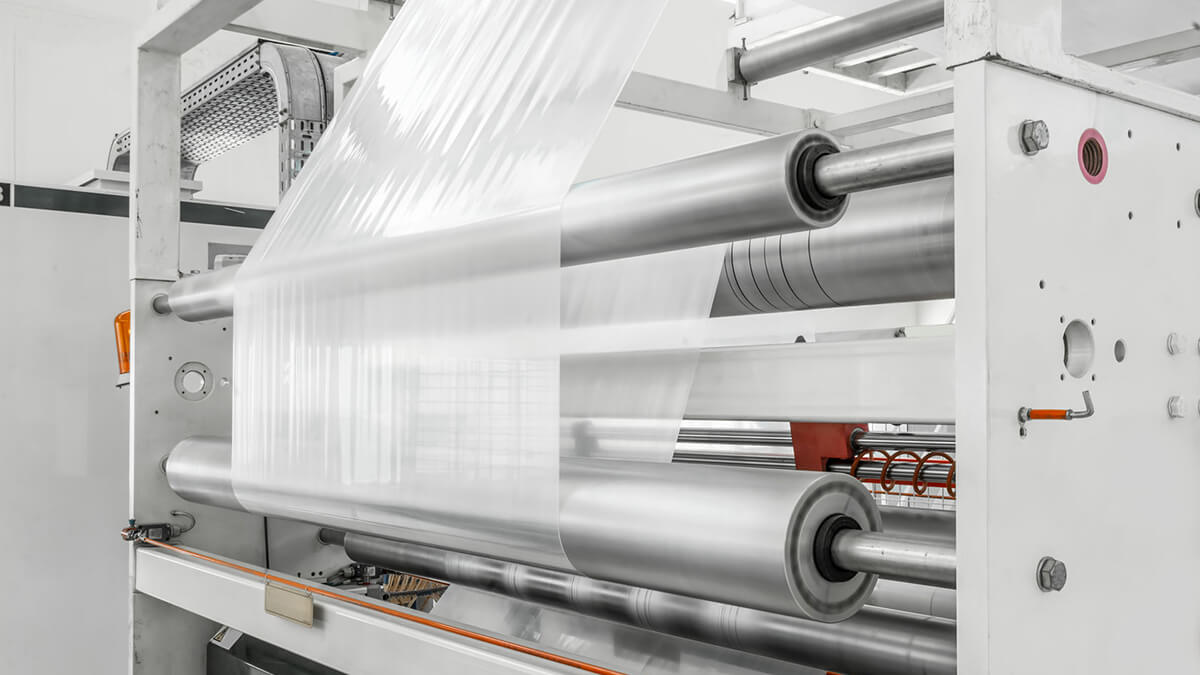
Industry 4.0 is well underway and already having a big impact on manufacturing throughout the world. Technologies such as IIoT, big data and analytics, digital twin/thread, and the smart connected factory and supply chain are all elements of Industry 4.0 that are becoming ubiquitous in almost every manufacturing company.
2020-05-28 10:17:41
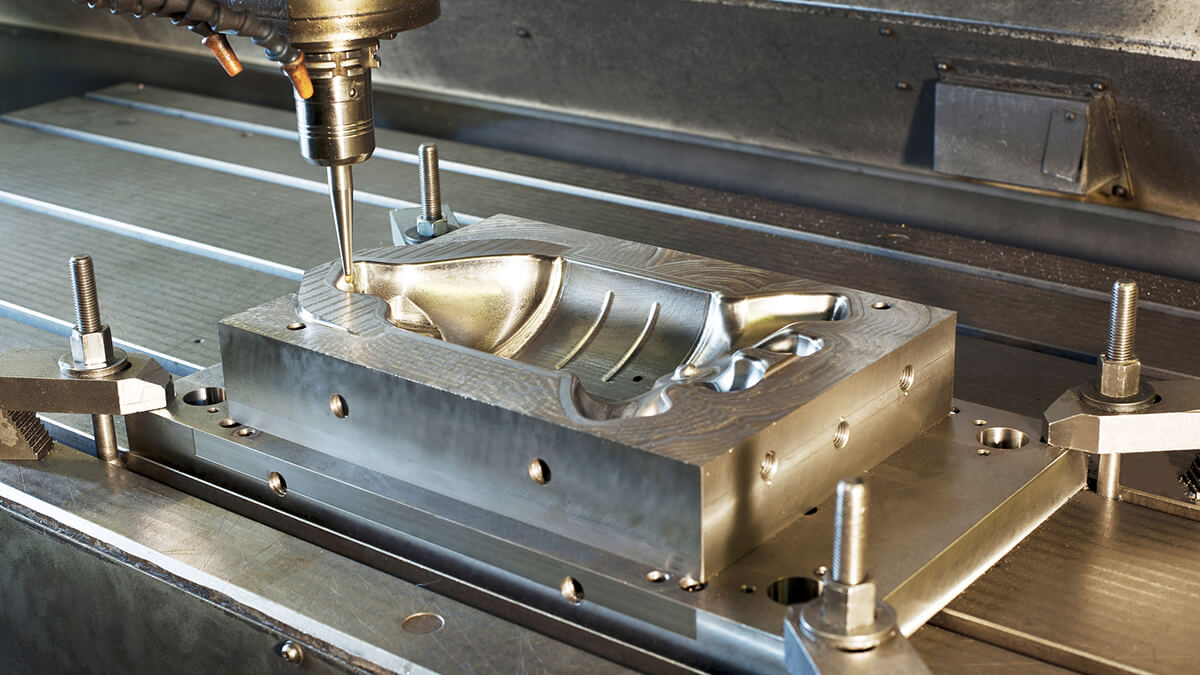
Stamping is a process in which thin walled metal parts are shaped by punches and dies.
2020-05-28 09:40:25

Japanese machine tool factory develops next-generation business opportunities, demands for replacement machines and introduces 5G services.
2020-05-28 09:06:58

China's component industry is developing rapidly and the domestic demand market is huge, but overall, there are still problems to be solved. To improve the innovation of China's auto parts industry, the technical added value of products, the direction and investment of scientific proportion R & D, the coordination of zero-zero relationships, and the standardization of market operations are all important issues that companies need to jointly solve.
2020-05-26 15:11:31
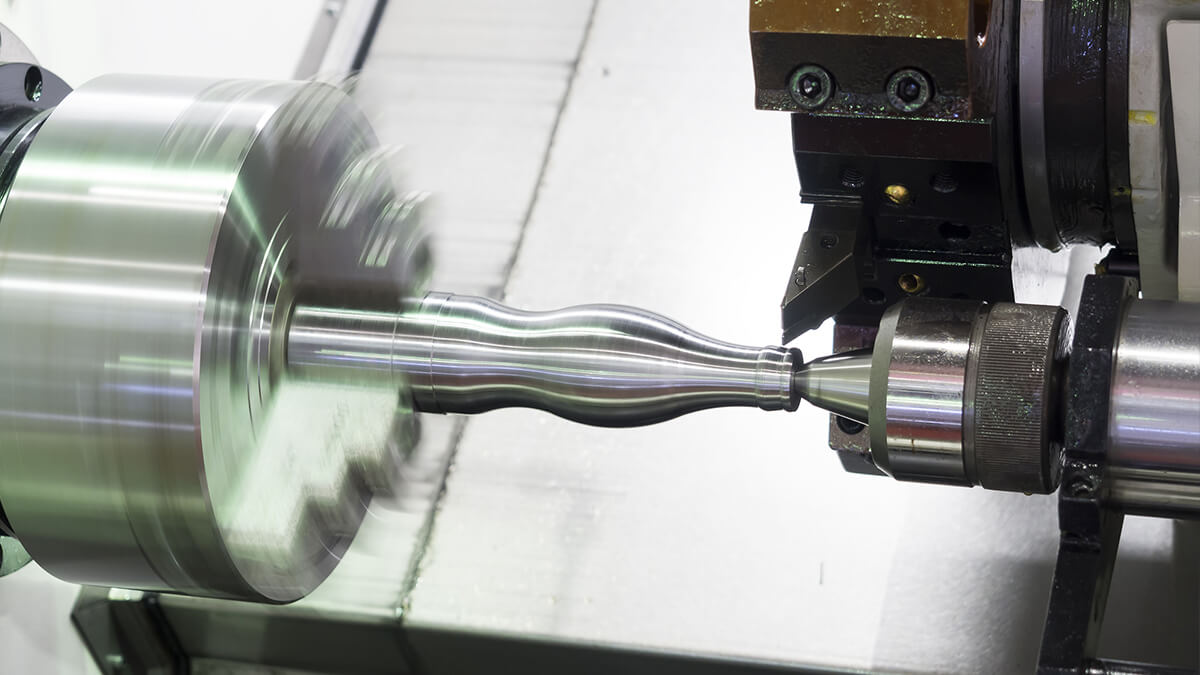
It is a metal cutting processing equipment. The rocker arm can be rotated and lifted around the column. The spindle box is a horizontally-moving drilling machine on the rocker arm.
2020-05-26 11:33:24
The Indian government vigorously promotes the development of the machine tool market. India is the third largest economy in Asia and has unlimited market demand potential.
2020-05-26 11:08:13
The China-US trade war has impacted the global economy. Under this volatility, let's take a look at the 2018 machine tool market overview. The major consumer countries of global machine tools are China, the United States, Germany, Japan, Italy, South Korea, India, Mexico, Taiwan, and Russia.
2020-05-26 10:07:55

For manufacturers, the safety of their employees is always at the forefront of their minds. You want to keep your workers safe at all times, so events like a global pandemic can be troubling. How do you balance productivity while making sure you don’t contribute to spreading the virus?
2020-05-26 09:23:19

5G is regarded as an important promoter of Industry 4.0. 5G's high network speed and low power consumption enable each sensor of the future unmanned factory to be connected to the cloud, further extracting data for analysis, and driving artificial intelligence.
2020-05-25 16:36:52

The U.S.-China trade war has been on the rise for more than a year, and both sides have become more and more fierce. The economy has been affected by the recession and the global manufacturing supply chain has also accelerated. Although Taiwan has benefited from this wave of trade wars in the short term, it may still suffer a lot in the long run. Also, the influence of other Asian countries affects the layout of Taiwanese businessmen. In the face of complex situations, we must be prepared to respond.
2020-05-22 18:04:54
Hot Topic
Agree