
Insights
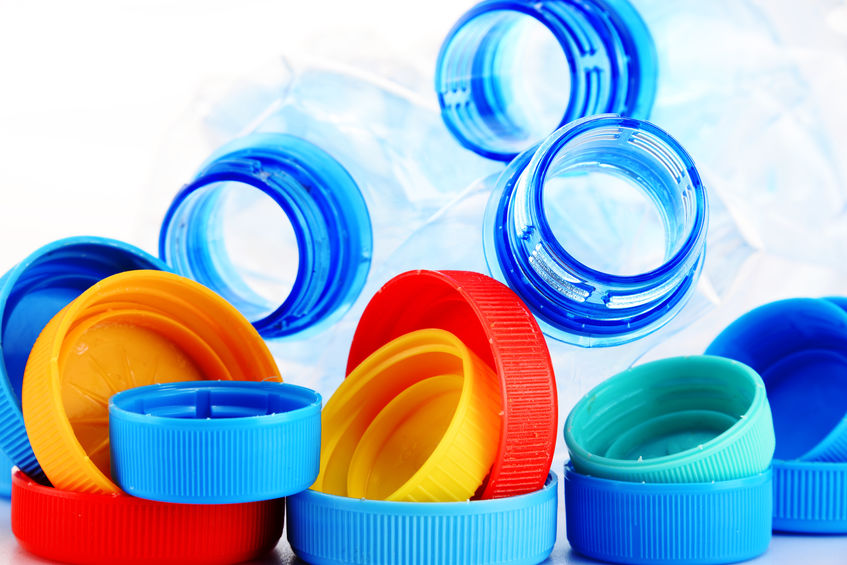
The EU Packaging and Packaging Waste Regulation began applying on 12 August 2026. The first obligations are narrower than the headlines suggest, but they already reach non-EU packaging manufacturers through documentation their EU customers must now hold.
2026-09-24 15:37:42
(4005)(20260924)(原).jpg)
For years, manufacturing automation often focused on individual tasks. A robot loaded a CNC machine.
2026-09-24 15:35:18
(4059)(20260924)(原).jpg)
Selecting rubber for a high-temperature application involves more than comparing maximum temperature ratings.
2026-09-24 15:28:39
(2367)(20260924)(原).jpg)
Product traceability has traditionally focused on questions such as where a component came from, which batch it belonged to, and when it was produced.
2026-09-24 15:21:49
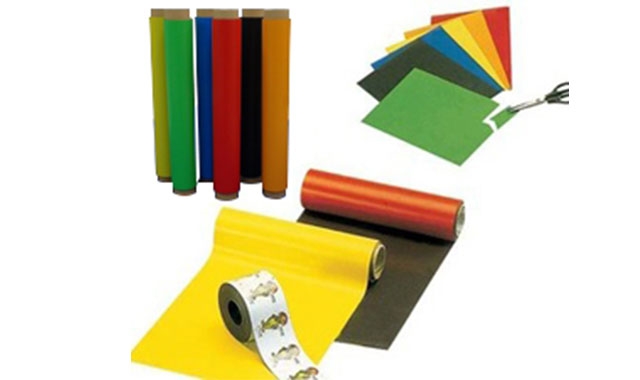
Both grades are ferrite powder in a rubber binder. The difference is whether the particles are aligned during manufacture, and that alignment decides how much holding force you get from a given thickness.
2026-09-24 15:08:22
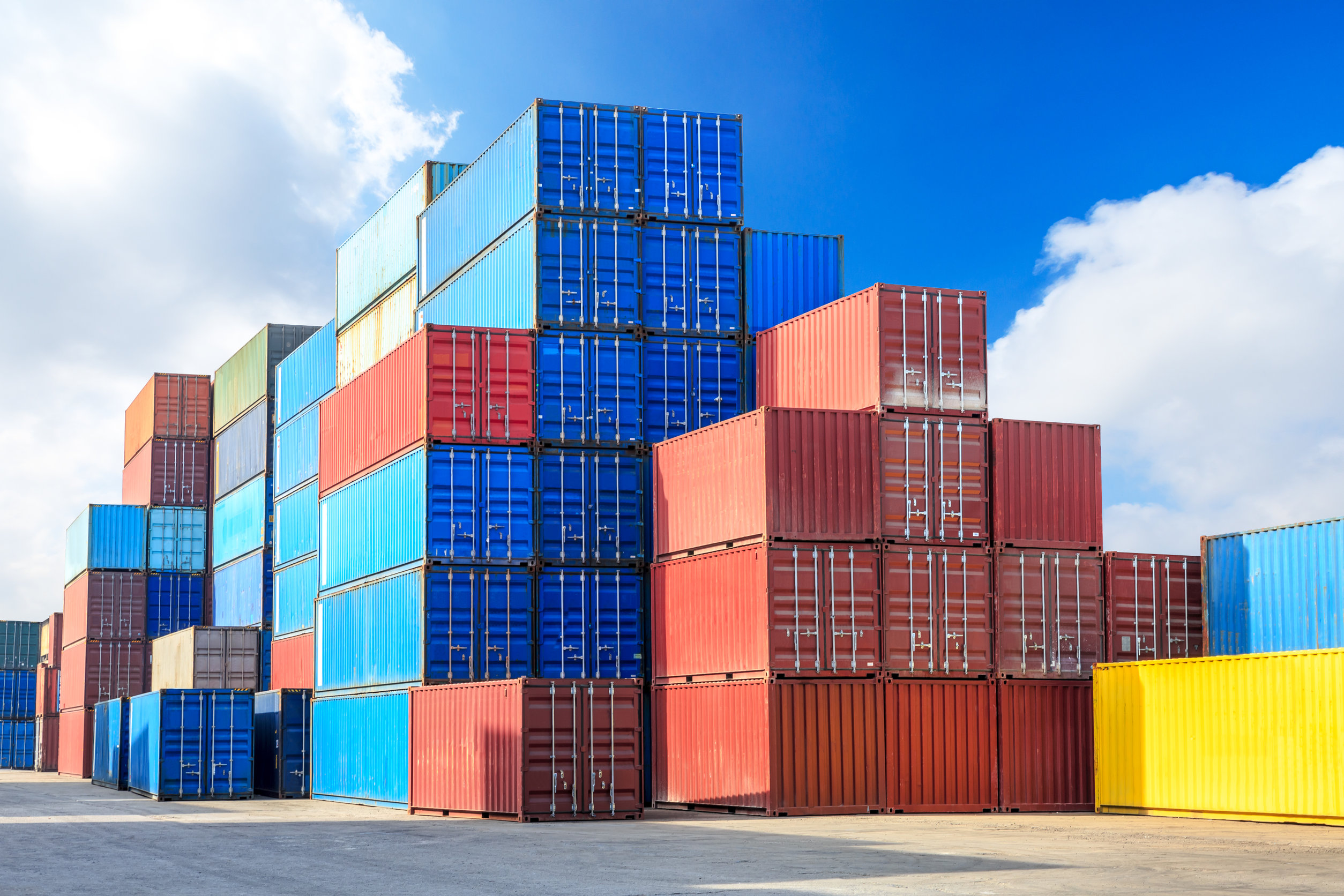
A DDP quote looks simpler because one price covers everything to your door. The trade-off is less visibility into freight and duty costs, and in the US a customs liability that does not always move with the price.
2026-09-24 15:00:04

A concise guide outlining seven essential service‑related questions international buyers must ask before ordering a liquid‑packaging line.
2026-09-23 15:26:18

Taiwan-based KYMC will showcase integrated flexographic printing and coating solutions, along with the North American debut of its plastic-free and PFAS-free barrier coating technology, at PACK EXPO International 2026 in Chicago.
2026-09-23 11:07:51
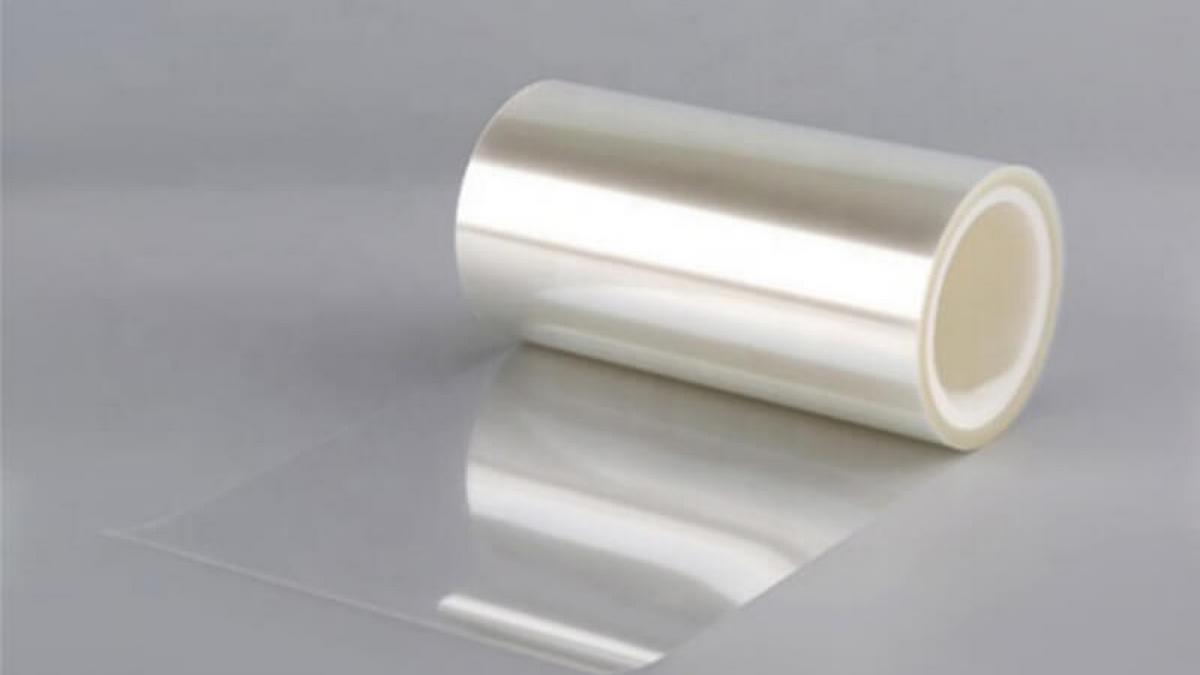
Packaging can look intact while still allowing oxygen, moisture, and volatile compounds to pass through the material at a molecular level.
2026-09-23 10:17:55

A successful bubble tea menu needs more than a long list of flavors. New drinks have to stand out while still being practical to develop and prepare consistently.
2026-09-23 10:10:47
Hot Topic
Agree